
If you’re considering orthodontic treatment but want something less noticeable than traditional metal braces, ceramic braces may already be on your radar. One of the most common questions people ask before choosing them is: what are ceramic braces made of, and how do those materials affect comfort, durability, and appearance? Understanding the materials used in ceramic braces is essential because they directly influence how discreet the braces look, how they feel in your mouth, and how well they perform over time.
Ceramic braces are designed to blend in with your natural teeth while still delivering the same corrective power as metal braces. They are widely chosen by teens and adults who want an effective orthodontic solution without the bold metallic appearance. In this buying-focused guide, we’ll break down the materials used in ceramic braces and explain what to look for when choosing the right option for your needs.
Buying Guide: How to Choose Ceramic Braces Based on Their Materials
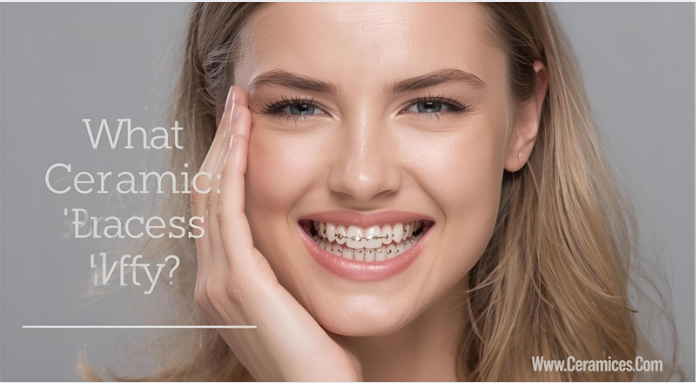
When selecting ceramic braces, the materials matter just as much as the orthodontist’s expertise. Below are the key material-related factors you should consider before making a decision.
1. Type of Ceramic Used
Most ceramic braces are made from polycrystalline or monocrystalline aluminum oxide, a highly durable and biocompatible material.
- Polycrystalline ceramic is slightly more opaque and often more affordable.
- Monocrystalline ceramic (sapphire-based) is clearer and blends more seamlessly with tooth enamel.
If aesthetics are your top priority, monocrystalline ceramic brackets are usually the better choice.
2. Bracket Strength and Durability
Although ceramic braces are strong, they are generally more brittle than metal braces. High-quality ceramic brackets are engineered to resist chipping and cracking under normal orthodontic forces. Look for braces made with high-density aluminum oxide, as these tend to offer better strength and longevity.
3. Color Stability and Stain Resistance
Ceramic brackets themselves are stain-resistant, but the elastic ties (ligatures) that hold the wire in place may discolor over time. Some modern ceramic braces use self-ligating systems or advanced clear elastics to reduce staining. If you frequently drink coffee, tea, or wine, this is an important consideration.
4. Comfort and Biocompatibility
Ceramic braces are made from biocompatible materials, meaning they are safe for long-term use in the mouth and unlikely to cause allergic reactions. Smooth-edged ceramic brackets also reduce irritation to gums and cheeks. Always confirm that the materials meet dental safety standards.
5. Wire Compatibility
While the brackets are ceramic, the archwires are usually made from stainless steel or nickel-titanium. Some braces offer tooth-colored or coated wires for improved appearance. Choosing braces that support aesthetic wire options can enhance the overall discreet look.
6. Cost vs. Material Quality
Higher-grade ceramic materials generally cost more but offer better clarity, comfort, and resistance to wear. When comparing options, balance your budget with how important appearance and durability are to you. Cheaper ceramic braces may be more visible or prone to damage.
Frequently Asked Questions (FAQs)
1. What are ceramic braces made of?
Ceramic braces are primarily made of aluminum oxide, a strong, biocompatible ceramic material. This can be either polycrystalline or monocrystalline (sapphire-like) ceramic. These materials are chosen because they are durable, safe for use in the mouth, and closely match the natural color of teeth.
2. Are ceramic braces safer than metal braces?
Ceramic braces are just as safe as metal braces. The ceramic material is non-toxic and biocompatible, meaning it does not react negatively with oral tissues. However, ceramic brackets can be slightly more brittle, so proper care is important to avoid breakage.
3. Do ceramic braces stain easily?
The ceramic brackets themselves are stain-resistant. However, the clear or white elastic ties used with them can stain over time, especially from foods and drinks like coffee, tea, curry, or red wine. Regular dental checkups and good oral hygiene help minimize discoloration.
4. Are ceramic braces comfortable to wear?
Yes, ceramic braces are generally comfortable. Many modern ceramic brackets are designed with smooth edges to reduce irritation to the cheeks and gums. Since they are slightly larger than metal brackets, some people may need a short adjustment period.
5. Are ceramic braces as strong as metal braces?
Ceramic braces are strong enough for most orthodontic treatments, but they are not as tough as metal braces. The ceramic material can chip or crack under excessive pressure, which is why orthodontists may recommend metal braces for severe bite corrections.
6. Can ceramic braces be used for adults?
Absolutely. Ceramic braces are especially popular among adults because of their discreet appearance. Their tooth-colored design makes them less noticeable, making them a preferred choice for professionals and older patients.
Conclusion
Understanding what ceramic braces are made of plays a crucial role in choosing the right orthodontic treatment. Made from high-quality aluminum oxide ceramic, these braces offer a balance of strength, safety, and aesthetics. Their tooth-colored appearance makes them an attractive alternative to traditional metal braces, especially for teens and adults who value discretion.
While ceramic braces may require a bit more care and come at a higher cost, their benefits in appearance and comfort often outweigh these considerations. By focusing on the quality of materials, stain resistance, and overall durability, you can confidently decide whether ceramic braces are the right option for your smile transformation.
