
If you’re a home cook, a foodie, or someone who loves hearty one-pot meals, you’ve probably wondered are Dutch ovens ceramic — and what that even means. Dutch ovens are legendary in kitchens around the world for their ability to slow-cook stews, braise meats, bake bread, and survive generations. But the term “Dutch oven” doesn’t actually describe a single material. Instead, it refers to a style of cookware with thick walls, heavy lids, and excellent heat retention.
So where does ceramic fit into this? Are some Dutch ovens ceramic? Can you use a ceramic Dutch oven the same way you would cast iron? And is ceramic even better for certain recipes?
This detailed guide explores the materials, design differences, performance characteristics, and practical use cases for Dutch ovens made of ceramic and other materials. Along the way, you’ll learn not just are Dutch ovens ceramic, but why the answer matters for your cooking, cleaning, and kitchen investment.
Let’s get started.
What Is a Dutch Oven, Anyway?
Before we answer are Dutch ovens ceramic, let’s make sure we’re clear on what we mean by a “Dutch oven.”
A Dutch oven is generally:
- A heavy, thick-walled cooking pot
- With a tight-fitting lid
- Designed for slow, even heat distribution
- Used for stews, soups, roasts, casseroles, and bread
- Suitable for stovetop, oven, and sometimes even campfire cooking
Traditionally, Dutch ovens were made of cast iron — thick, rugged, and heavy. Over time, manufacturers began adapting the design into other materials, including ceramic and ceramic-coated metal.
So, to answer the question, yes, some Dutch ovens are ceramic. But not all Dutch ovens are ceramic in the same way. It helps to unpack the different types.
Types of Dutch Ovens: Ceramic and Beyond
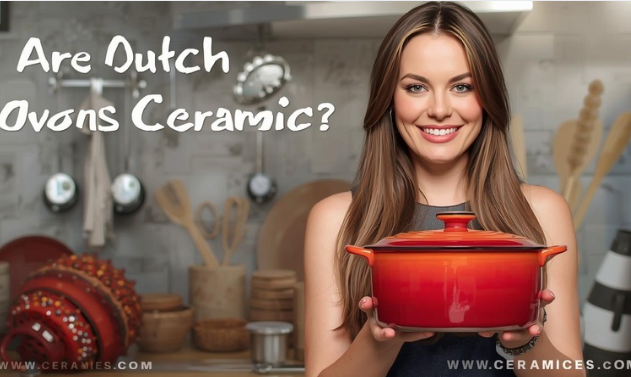
There are four major categories associated with the term “Dutch oven”:
1. Traditional Cast Iron Dutch Ovens
These are the classic, rugged pots you’ve likely seen in photos of pioneer kitchens, camping scenes, and old-school cookbooks. Traditional cast iron Dutch ovens are:
- Solid cast iron
- Extremely durable
- Excellent heat retainers
- Require seasoning (unless enameled)
These are not ceramic, but they are part of the broader Dutch oven family.
2. Enameled Cast Iron Dutch Ovens
Enameled cast iron took the Dutch oven into a modern era. These are:
- Cast iron cores with a ceramic enamel coating
- Non-reactive cooking surface
- Easy to clean
- Does not require seasoning
This is one place where ceramic enters the picture: the surface coating is a ceramic enamel fused to the cast iron body.
So if you’re picturing a Dutch oven like the iconic colorful pots from major brands, you’re usually looking at ceramic-enamel over cast iron — a hybrid material that combines both.
3. Pure Ceramic (Clay or Stoneware) Dutch Ovens
These are pots made entirely of ceramic materials like clay or stoneware. They are:
- Fired in a kiln
- Naturally non-reactive
- Great for even, slow cooking
But they are not the classic heavy Dutch ovens we think of in cast iron tradition. Instead, they’re closer to casserole dishes or tagines with thicker walls.
4. Ceramic-Coated Aluminum Dutch Ovens
These are a more budget-friendly version of ceramic-enamel cookware. They use:
- Aluminum as the base
- A ceramic coating on the interior
- Lightweight design
They offer some advantages — like lighter weight and ease of handling — but they behave differently from heavy cast iron designs.
So Are Dutch Ovens Ceramic? Clarifying the Terminology
Now that you know the broad categories, here’s the clear distinction:
- A traditional Dutch oven is not ceramic. It’s cast iron (bare or enameled).
- An enameled cast iron Dutch oven is ceramic on the interior and exterior surface — but it is not pure ceramic; it’s ceramic enamel fused to cast iron.
- A pure ceramic Dutch oven does exist, but it’s not the same as classic cast iron Dutch ovens; it’s more similar to a heavy casserole or stoneware pot.
- A ceramic-coated aluminum Dutch oven uses ceramic only in the coating.
In short: some Dutch ovens incorporate ceramic — but “ceramic Dutch oven” may mean different things depending on how the cookware was manufactured.
What Is Ceramic Enamel on Cast Iron?
The ceramic layer you see on enameled cast iron is not the same as a ceramic pan or a clay pot.
Ceramic enamel:
- Is a glassy, vitreous coating fused to metal
- Prevents rust
- Provides a non-reactive surface that doesn’t require seasoning
- Offers easier cleanup
It is highly durable and resists food sticking when used properly. Many people prefer this type because they get:
- Cast iron heat retention
- Ceramic non-reactive surface
- Aesthetic finishes in various colors
But there are differences in performance compared to pure ceramic Dutch ovens, and those differences matter depending on how you cook.
Pure Ceramic (Clay) Dutch Ovens: How They Compare
Pure ceramic Dutch ovens made from clay or stoneware are a legitimate cookware category, but they differ markedly from cast iron types.
Advantages of Pure Ceramic
- Excellent even heat distribution
- Non-reactive surface (good for acidic foods)
- Often lighter than cast iron
- Great for slow braising and everyday casseroles
Limitations of Pure Ceramic
- More fragile — can crack from thermal shock
- Slower to heat up
- Not ideal for stovetop searing
- Can be heavier than aluminum alternatives
Pure ceramic Dutch ovens are more akin to baking dishes or tagines — suitable where steady even heat, not high searing temperatures, is needed.
Cast Iron vs Ceramic: How the Materials Affect Cooking
To truly understand are Dutch ovens ceramic in a practical sense, we need to compare how these materials behave in the kitchen.
Heat Retention and Distribution
- Cast iron — whether bare or enameled — retains and distributes heat extremely well, making it perfect for braising, stewing, and slow cooking.
- Pure ceramic heats evenly but holds heat less aggressively than cast iron. It’s excellent for baking, slow simmering, or stews but not ideal for getting a sizzling sear.
Weight Considerations
- Cast iron Dutch ovens are heavy.
- Ceramic and ceramic-coated aluminum versions are lighter but trade some heat retention.
Thermal Shock Resistance
- Cast iron handles temperature changes well.
- Ceramic can crack or fail if subjected to sudden temperature shifts.
Understanding these differences helps you match the right Dutch oven material to your cooking needs.
Safety: Are Ceramic Dutch Ovens Safe for Cooking?
Whether you choose a ceramic enamel or pure ceramic pot, safety is a key concern.
Non-reactive Cooking
Ceramic — whether a true ceramic pot or a ceramic enamel coating — is non-reactive, meaning it won’t interact chemically with acidic foods like tomatoes, wine, vinegar, or citrus. This reduces the risk of metallic taste or food discoloration.
Chemical Safety
High-quality ceramic coatings on cast iron are non-toxic and free from PTFE and PFOA found in traditional nonstick surfaces. Pure clay and stoneware fired at proper temperatures are also considered safe for cooking.
However, low-quality ceramics may have issues:
- Improperly fired clay can leach minerals
- Cheap glazes may contain heavy metals
Always buy from reputable brands and avoid cracked or damaged cookware.
Thermal Safety
Ceramic materials are safe at typical oven temperatures used for Dutch ovens — often as high as 500°F. However, pure ceramic pots can suffer thermal shock if moved from cold to hot environments too quickly.
Performance: How Ceramic Dutch Ovens Cook
Whether enameled or pure ceramic, these ovens perform well in certain culinary tasks.
Braising and Slow Cooking
Ceramic retains moisture beautifully. The tight-fitting lid keeps steam circulating and tenderizes tough cuts.
Bread Baking
Ceramic ovens are excellent for baking bread with a crisp crust. The heat and steam interaction produces lovely results.
Simmering Stews and Sauces
Even heat distribution ensures nothing burns on one corner while another stays underdone.
Versatility
Ceramic Dutch ovens can often go from oven to table, and they look attractive enough for serving.
Care and Maintenance: Ceramic vs Cast Iron
Cleaning
- Ceramic enamel: Usually just soap and water; no seasoning required.
- Pure ceramic: Similar care, but avoid sudden temperature changes.
- Avoid metal utensils that could chip ceramic surfaces.
Storage
Ceramics can chip if stacked carelessly. Use pan protectors or soft pads between stacked cookware.
Seasoning
Enameled ceramic cast iron does not require seasoning. Pure ceramic may benefit from light seasoning depending on manufacturer guidelines.
Cost Considerations: Cast Iron vs Ceramic
If your question are Dutch ovens ceramic also implies are they worth the price, you’ll want this comparison:
- Cast iron Dutch ovens (bare): Often the most budget-friendly, extremely durable, but require seasoning.
- Enameled ceramic cast iron: Mid to high price range; easy to use and clean; versatile; great performance.
- Pure ceramic Dutch ovens: Price varies; can be less expensive than premium cast iron but still robust; best for baking and gentle cooking.
Durability matters, too. A well-made enameled Dutch oven can last decades with good care — making it a worthwhile kitchen investment.
How to Choose the Right Dutch Oven for Your Kitchen
To decide whether a ceramic Dutch oven — or any Dutch oven — is right for you, consider:
1. Cooking Style
- Meat braising or searing? Cast iron with ceramic enamel may be best.
- Slow soups and stews? Ceramic options work well.
- Bread baking or casseroles? Pure ceramic is excellent.
2. Heat Source
- Oven? All types work.
- Stovetop or induction? Enameled cast iron is ideal.
- Campfire or grill? Traditional cast iron excels here.
3. Weight and Handling
If weight is a concern, pure ceramic or ceramic-coated aluminum are easier to manage.
4. Ease of Care
Enameled and ceramic options typically require less maintenance than bare cast iron.
5. Budget
Decide how much you want to spend and balance that against expected use and longevity.
Common Misconceptions About Ceramic and Dutch Ovens
To clear up confusion, here are some myths:
Myth: All Dutch ovens are ceramic.
Reality: Dutch ovens include cast iron, enameled ceramic, and pure ceramic versions. Not all are purely ceramic.
Myth: Ceramic Dutch ovens are fragile.
Reality: Pure ceramic can be sensitive to thermal shock, but high-quality ceramic and enameled cast iron are robust when used properly.
Myth: Ceramic means nonstick like a Teflon pan.
Reality: Ceramic ovens are non-reactive and relatively slick, but they don’t have the same slick properties as modern PTFE nonstick surfaces. They work differently and require different care.
Modern Innovations in Ceramic Dutch Ovens
Recent developments in cookware technology have improved ceramic options significantly:
Multi-layer Ceramic Coatings
Advanced sol-gel ceramic coatings bonded to metal bases increase durability and nonstick performance without chemicals.
Hybrid Materials
Manufacturers now blend ceramic with other materials to enhance heat resistance and toughness.
Improved Glazing Techniques
Better glazes reduce porosity, making ceramic Dutch ovens less susceptible to staining and moisture issues.
These innovations continue to expand the role of ceramic in high-performance cookware while maintaining safety and kitchen versatility.
Practical Tips for Using Ceramic or Ceramic-Coated Dutch Ovens
If you decide a ceramic or ceramic-coated Dutch oven is right for you, follow these practical tips:
Preheat Gradually
Avoid placing a cold ceramic pot into a hot oven without gradual tempering.
Avoid Extreme Temperature Swings
Let hot cookware cool before cleaning with cold water to prevent cracking.
Use Silicone or Wooden Utensils
These protect ceramic surfaces and prolong life.
Hand Wash When Possible
Though many are dishwasher safe, hand washing reduces wear.
Inspect for Chips or Cracks
Damaged ceramics can harbor bacteria or become structurally compromised.
Ceramic Dutch Oven Recipes That Shine
Ceramic Dutch ovens are perfect for many beloved dishes:
- Classic beef stew
- Dutch oven artisan bread
- Chicken cacciatore
- Slow-braised lamb shanks
- Vegetable cassoulet
- Rice and bean one-pot meals
- Pot roast with root vegetables
The even heat and moisture retention unlock rich, slow-cooked flavors.
Why Chefs Love Ceramic and Enameled Dutch Ovens
Professional and home chefs alike appreciate:
- Even, gentle heating
- Ability to go from stovetop to oven
- Beautiful presentation
- Easy cleanup
- Chemical-free cooking surfaces
These traits make ceramic Dutch ovens kitchen stars from weeknight dinners to holiday feasts.
Frequently Asked Questions (FAQs)
Are all Dutch ovens made of ceramic?
No, not all Dutch ovens are ceramic. Traditional Dutch ovens are made from cast iron. Some have a ceramic enamel coating, while others are made entirely from ceramic materials like clay or stoneware. The term “Dutch oven” refers to the design and function, not a single material.
Is a ceramic-coated Dutch oven the same as a ceramic Dutch oven?
No. A ceramic-coated Dutch oven typically has a metal base (usually cast iron or aluminum) with a ceramic enamel coating. A true ceramic Dutch oven is made entirely from ceramic materials. They behave differently in terms of heat retention, durability, and cooking performance.
Can ceramic Dutch ovens be used on the stovetop?
It depends on the type. Ceramic-coated cast iron Dutch ovens are stovetop-safe and excellent for searing and simmering. Pure ceramic Dutch ovens are usually better suited for ovens and may crack if exposed to direct stovetop heat unless specifically designed for it.
Are ceramic Dutch ovens safe for cooking acidic foods?
Yes. Ceramic surfaces are non-reactive, making them ideal for acidic foods like tomatoes, citrus, wine-based sauces, and vinegar-rich recipes. They won’t leach flavors or alter the taste of your food.
Do ceramic Dutch ovens require seasoning?
No. Ceramic and ceramic-enameled Dutch ovens do not require seasoning like bare cast iron. Their surfaces are naturally non-reactive and easy to maintain with regular cleaning.
Which is better: ceramic or cast iron Dutch ovens?
Neither is universally better — it depends on how you cook. Cast iron (especially enameled) is excellent for high-heat searing and long braises. Ceramic Dutch ovens excel at slow cooking, baking, and even heat distribution but are more sensitive to sudden temperature changes.
Can ceramic Dutch ovens crack?
Yes, ceramic Dutch ovens can crack if exposed to thermal shock, such as moving from a hot oven directly into cold water or placing a cold pot into a very hot oven. Gradual temperature changes help prevent damage.
Are ceramic Dutch ovens dishwasher safe?
Many ceramic Dutch ovens are labeled dishwasher safe, but hand washing is recommended to preserve the glaze and prevent chipping over time. Gentle cleaning extends the life of the cookware.
Are ceramic Dutch ovens good for baking bread?
Absolutely. Ceramic Dutch ovens are excellent for bread baking because they distribute heat evenly and trap steam, which helps create a crisp crust and soft interior.
How long do ceramic Dutch ovens last?
With proper care, high-quality ceramic or ceramic-enameled Dutch ovens can last many years. Avoiding sudden temperature changes and using non-metal utensils helps extend their lifespan.
Conclusion
So, are Dutch ovens ceramic? The answer is both yes and no — and understanding the difference matters. While traditional Dutch ovens are made from cast iron, many modern versions incorporate ceramic in the form of enamel coatings or are crafted entirely from ceramic materials. Each type offers unique benefits depending on how you cook, what you value in cookware, and how much maintenance you’re willing to handle.
Ceramic-enameled cast iron Dutch ovens strike a popular balance between durability, heat retention, and ease of care. Pure ceramic Dutch ovens, on the other hand, shine in slow cooking, baking, and gentle heat applications. Neither option is inherently better — the best choice depends on your cooking habits, kitchen setup, and personal preferences.
By understanding how ceramic fits into Dutch oven design, you can confidently choose the right pot for your meals, knowing it will serve you well for years of flavorful cooking.
If you’d like help optimizing this article further for SEO, adding schema-friendly formatting, or creating internal linking strategies, just let me know.
