
If you are searching for how to paint a ceramic pumpkin, the good news is that it is a fun and beginner-friendly project that can create beautiful fall décor with just a few basic supplies. A ceramic pumpkin can be painted in many different styles, from classic orange farmhouse looks to modern white pumpkins, metallic finishes, spooky Halloween designs, or hand-painted patterns for Thanksgiving and autumn decorating.
Painting a ceramic pumpkin is a great craft because it works for all skill levels. You can keep it simple with solid colors and distressing, or you can create something more detailed with shading, florals, lettering, plaid, or seasonal faces. The key is to prepare the ceramic surface properly, use the right paint, and build your design in clean layers so the finished pumpkin looks polished and lasts longer.
This ready-to-publish guide explains exactly how to paint a ceramic pumpkin, what supplies you need, what type of paint works best, how to prep the surface, how to add detail, and what mistakes to avoid for a smooth, attractive finish.
How to Paint a Ceramic Pumpkin
To paint a ceramic pumpkin, start by cleaning the surface so the paint sticks properly. Apply a primer if needed, then paint the pumpkin with acrylic or ceramic-safe craft paint in thin, even coats. Let each coat dry fully before adding more color, shading, or decorative details. Once the design is finished, allow it to dry completely and seal it with a clear protective finish if desired.
Quick Answer
The best way to paint a ceramic pumpkin is to clean it first, use thin coats of acrylic paint, let each layer dry fully, and finish with a protective sealer for a longer-lasting result.
Short Step-by-Step
- Clean the ceramic pumpkin thoroughly.
- Sand lightly if the surface is very glossy.
- Apply primer if needed.
- Paint the base color in thin coats.
- Add shading, details, or decorative designs.
- Let the paint dry fully.
- Seal the pumpkin with a clear finish if desired.
Why Ceramic Pumpkins Are Great for Painting
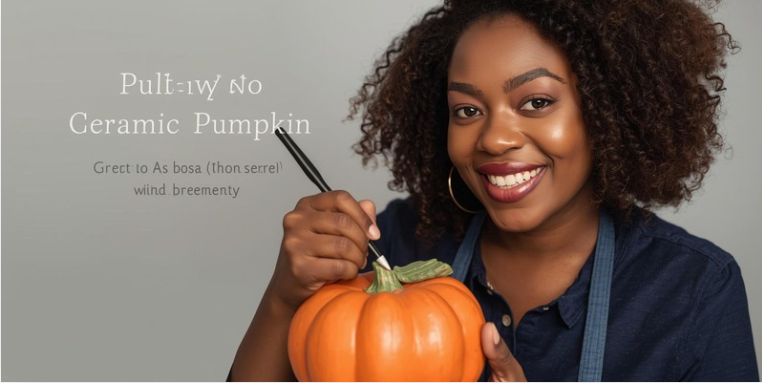
Ceramic pumpkins are popular because they are durable, reusable, and easy to customize. Unlike real pumpkins, they do not rot, collapse, or need to be replaced every season. Once painted, they can be displayed year after year.
A ceramic pumpkin also gives you a stable surface for decorating. That means you can:
- Paint it in classic fall colors
- Make it match your home décor
- Create Halloween or Thanksgiving themes
- Add names, words, or monograms
- Use it indoors or in covered outdoor spaces
- Redesign it later if you want a new look
This makes ceramic pumpkins perfect for both seasonal decorating and gifting.
What You Need to Paint a Ceramic Pumpkin
Before you begin, gather the materials and tools you need.
- Ceramic pumpkin
- Mild soap and water
- Soft cloth
- Fine-grit sandpaper, optional
- Primer, optional
- Acrylic craft paint or paint made for ceramic décor
- Paintbrushes in different sizes
- Foam brush or sponge brush, optional
- Paint palette or paper plate
- Paper towels
- Painter’s tape, optional
- Pencil, optional
- Clear sealer or protective finish, optional
If the ceramic pumpkin is meant to be decorative rather than food-safe, standard acrylic craft paint is usually the easiest option.
Choose the Style Before You Start
One of the best things you can do before painting is decide what kind of look you want.
Classic Orange Pumpkin
This gives you a traditional fall or Halloween look.
White or Cream Pumpkin
This works well for farmhouse, neutral, or modern décor.
Black Pumpkin
Great for Halloween, gothic décor, or dramatic displays.
Metallic Pumpkin
Gold, bronze, copper, or silver can make the pumpkin look elegant and festive.
Patterned Pumpkin
Plaid, polka dots, stripes, florals, and vines all work beautifully.
Character or Face Pumpkin
You can paint a spooky face, happy jack-o’-lantern expression, or whimsical design.
Choosing a style first helps you gather the right colors and avoid painting without a clear plan.
What Type of Paint Works Best on a Ceramic Pumpkin?
For most craft projects, acrylic paint is the easiest and most popular choice.
Acrylic Craft Paint
Acrylic paint works well on most ceramic pumpkins used for decoration. It comes in many colors, dries fairly quickly, and is easy to layer.
Multi-Surface Craft Paint
This type of paint is made to stick well to surfaces like ceramic, wood, metal, and glass, making it a strong option for ceramic décor.
Ceramic Paint
Some paints are specifically made for ceramics, though they are often more important for dishes and functional pieces than for decorative pumpkins.
For a simple decorative ceramic pumpkin, acrylic or multi-surface craft paint is usually the most practical choice.
Clean the Ceramic Pumpkin First
Before painting, the ceramic surface should be clean and dry.
Wash Off Dust and Residue
Use mild soap and water to remove dust, dirt, oils, or packaging residue.
Dry It Completely
Let the pumpkin dry fully before painting. Paint does not stick as well to damp ceramic.
Do Not Skip This Step
Even a brand-new ceramic pumpkin can have residue on the surface that affects how the paint goes on.
A clean surface gives you a much smoother and more even result.
Should You Sand a Ceramic Pumpkin Before Painting?
Sometimes yes, especially if the ceramic pumpkin has a very glossy finish.
When Sanding Helps
If the surface is shiny and slick, lightly sanding it with fine-grit sandpaper can help the paint and primer grip better.
Sand Gently
You do not need to remove the entire surface finish. Just scuff it lightly.
Wipe Off the Dust
After sanding, wipe the pumpkin with a clean damp cloth and let it dry again.
If the ceramic is already matte or unfinished, you may not need to sand it at all.
Do You Need Primer?
Primer is not always required, but it can help.
Use Primer for Glossy Ceramic
If the ceramic is smooth and shiny, primer can improve paint adhesion.
Use Primer for Better Color Coverage
A white or neutral primer helps bright colors show up more cleanly.
Apply a Thin Coat
Let the primer dry fully before adding paint.
If you are painting a light color over a dark ceramic pumpkin, primer can make a big difference in coverage.
How to Paint the Base Coat
The base coat is the main color of the pumpkin and sets the look for the whole project.
Use Thin Coats
Thin coats look smoother and dry more evenly than thick ones.
Let Each Coat Dry
Do not rush into the next layer. Let the paint dry fully before repainting.
Use a Medium or Large Brush
A larger brush or foam brush works well for broad areas like the pumpkin body.
Expect More Than One Coat
Most ceramic pumpkins need at least two coats for solid coverage.
Building the color gradually usually gives the best result.
How to Paint a Classic Ceramic Pumpkin
If you want the traditional pumpkin look, use orange as the main base color and then add dimension.
Paint the Body Orange
Apply two or more thin coats.
Add Darker Orange or Brown in the Grooves
This creates depth and makes the pumpkin shape stand out.
Highlight the Raised Areas
Use a lighter orange, yellow-orange, or soft dry-brushed cream to bring out the curves.
Paint the Stem
Brown, tan, green, or gold all work well depending on the style you want.
This approach gives the pumpkin a richer, more realistic look than a flat single color.
How to Paint a White Ceramic Pumpkin
White pumpkins are very popular for neutral fall décor.
Start With White or Cream Paint
Apply the color in thin, even coats.
Add Soft Gray or Beige Shading
This keeps the pumpkin from looking too flat.
Use a Brown or Natural Stem Color
This gives contrast and keeps the design warm.
Distress Lightly if Desired
A little dry brushing with beige or gray can create a farmhouse look.
White ceramic pumpkins work especially well in modern, rustic, and elegant fall displays.
How to Add Shading and Dimension
A ceramic pumpkin usually looks better with a little depth rather than one flat color.
Darken the Grooves
Use a slightly darker paint shade in the carved lines or deeper curves.
Dry Brush the High Points
A dry brush technique lets you lightly skim paint over the raised areas for highlights.
Blend Gently
Use a soft brush to blend harsh lines before the paint dries completely.
Build the Effect Slowly
It is easier to add more shading than to remove too much.
Even simple shading can make a ceramic pumpkin look much more finished.
Easy Design Ideas for a Painted Ceramic Pumpkin
Once the base coat is dry, you can stop there or add decorative details.
Plaid Pumpkin
Use painter’s tape or a fine brush to create plaid lines in fall colors.
Floral Pumpkin
Paint small flowers, leaves, and vines across the surface.
Polka Dot Pumpkin
A simple dot pattern can look playful and cute.
Lettered Pumpkin
Add words like “Harvest,” “Thankful,” “Boo,” or a family name.
Halloween Face Pumpkin
Paint eyes, a nose, and a jack-o’-lantern smile for spooky décor.
Metallic Stem Pumpkin
Keep the pumpkin body simple and paint the stem gold, bronze, or copper for a stylish finish.
You do not need a complicated design for the pumpkin to look beautiful.
How to Paint Fine Details
For smaller decorations, use the right brush and go slowly.
Use Small Detail Brushes
These are better for lettering, thin lines, and tiny patterns.
Sketch Lightly First
If needed, use a pencil very lightly to map out your design.
Keep the Hand Supported
Rest your hand against the table or the pumpkin to steady it while painting.
Fix Mistakes Early
A damp cloth or cotton swab can often remove small fresh mistakes before they dry.
Detail work becomes much easier when the base coat is fully dry.
Should You Seal a Painted Ceramic Pumpkin?
In most cases, yes, especially if you want the paint to last.
Why Sealing Helps
A clear sealer protects the paint from scratches, smudges, and general wear.
Choose the Finish You Want
You can use matte, satin, or glossy sealer depending on the final look you prefer.
Let the Paint Dry First
Do not rush into sealing. Make sure the paint is completely dry before applying a topcoat.
Use Thin Coats of Sealer
A few light coats are usually better than one heavy coat.
If the ceramic pumpkin will be handled often or displayed in a porch area, sealing is especially useful.
Best Color Ideas for Ceramic Pumpkins
There is no single right way to paint one. Some of the best color ideas include:
- Orange and brown for a classic fall pumpkin
- White and gold for elegant décor
- Black and metallic accents for Halloween
- Sage green and cream for soft autumn style
- Dusty blue and bronze for something unexpected
- Pink or pastel shades for a playful modern look
- Burgundy, mustard, and cream for rich seasonal color
Matching the pumpkin to your home style can make it feel more intentional and decorative.
Common Mistakes to Avoid
Skipping Surface Prep
Dust and residue can make the paint go on unevenly.
Using Thick Paint Coats
Heavy coats can streak, drip, or take too long to dry.
Not Letting Layers Dry
Painting too soon over wet paint can smear or peel previous layers.
Ignoring the Stem
A carefully painted stem can make the entire pumpkin look more finished.
Forgetting to Seal It
A sealer can help preserve all your work.
Overcrowding the Design
Sometimes a simpler painted pumpkin looks more elegant than one with too many competing details.
A little patience usually leads to a much better final result.
Can Beginners Paint a Ceramic Pumpkin?
Yes, absolutely. This is one of the easiest seasonal ceramic craft projects to start with.
Beginners often do best with:
- A solid base color
- A contrasting stem color
- Light shading in the grooves
- One simple decorative pattern
- A clear sealer at the end
Even a basic painted ceramic pumpkin can look beautiful if the paint is applied neatly and evenly.
Common Snippet Answers
How do you paint a ceramic pumpkin?
You paint a ceramic pumpkin by cleaning the surface, applying thin coats of acrylic paint, adding shading or decorative details, and sealing it after the paint dries.
What kind of paint do you use on a ceramic pumpkin?
Acrylic craft paint or multi-surface paint is usually the best choice for painting a decorative ceramic pumpkin.
Do you need to prime a ceramic pumpkin before painting?
You may need to prime a ceramic pumpkin if the surface is glossy or very smooth, especially if you want better paint adhesion and coverage.
Should you seal a painted ceramic pumpkin?
Yes, sealing a painted ceramic pumpkin helps protect the finish and makes the paint last longer.
FAQs About How to Paint a Ceramic Pumpkin
1. What kind of paint works best on a ceramic pumpkin?
Acrylic craft paint or multi-surface craft paint usually works best for decorative ceramic pumpkins.
2. Do I need to sand a ceramic pumpkin before painting?
If the ceramic pumpkin is very glossy, light sanding can help the paint stick better. If it is already matte, sanding may not be necessary.
3. Should I use primer on a ceramic pumpkin?
Primer is helpful on shiny ceramic surfaces and can also improve coverage if you are painting light colors.
4. How many coats of paint does a ceramic pumpkin need?
Most ceramic pumpkins need at least two thin coats for smooth, even coverage.
5. Can I paint a ceramic pumpkin with acrylic paint?
Yes, acrylic paint is one of the easiest and most common choices for painting decorative ceramic pumpkins.
6. Do I need to seal a painted ceramic pumpkin?
Sealing is a good idea if you want to protect the painted finish from scratches and wear.
7. How do I make a painted ceramic pumpkin look more realistic?
Add shading in the grooves, highlights on the raised areas, and a natural-looking stem color for more depth and realism.
8. Can beginners paint a ceramic pumpkin?
Yes, painting a ceramic pumpkin is a great beginner project because it is simple, fun, and easy to customize.
9. What colors can I paint a ceramic pumpkin?
You can paint it orange, white, black, metallic, pastel, or any custom color that matches your fall or Halloween décor.
10. Can I repaint a ceramic pumpkin?
Yes, a ceramic pumpkin can usually be repainted after cleaning and lightly sanding the old surface if needed.
Conclusion
Learning how to paint a ceramic pumpkin is a simple and creative way to make custom fall décor that you can enjoy year after year. Whether you want a classic orange pumpkin, a neutral farmhouse design, a spooky Halloween look, or something modern and artistic, the process is all about good prep, thin paint layers, and thoughtful finishing details.
The best results usually come from cleaning the surface first, using the right paint, letting each coat dry fully, and sealing the final design for extra protection. From soft white pumpkins to metallic statement pieces, there are so many ways to make a ceramic pumpkin fit your personal style.
With a little patience and creativity, a plain ceramic pumpkin can become a beautiful handmade decoration that feels unique, festive, and ready for the season.
