
If you are searching for a uniquely designed vase ceramic art piece, you are not just looking for something to hold flowers. You are looking for personality, texture, shape, craftsmanship, and presence. A ceramic art vase can act like sculpture, home décor, and conversation starter all at once. That is exactly why these pieces have become so appealing in modern American homes. They bring warmth, creativity, and a handmade feel that mass-produced décor often lacks.
Today, people want more from home accessories. They do not just want objects that fill empty space. They want objects that say something. A ceramic art vase does that beautifully. It can soften a modern room, add edge to a minimalist shelf, warm up a neutral living room, or become the focal point on a dining table. Whether it is handbuilt, wheel-thrown, carved, textured, sculptural, matte, glossy, or abstract, a uniquely designed ceramic vase has the power to make a room feel more thoughtful and more alive.
This is also why ceramic vases stand apart from ordinary decorative pieces. Good ceramic art is not only about color. It is about form, balance, surface, proportion, and the way light moves across the piece. Some vases feel elegant and refined. Others feel organic, bold, imperfect, playful, or architectural. Some are clearly functional, while others sit right on the line between vessel and sculpture. That blend of beauty and usefulness is part of what makes ceramic vase art so popular.
For shoppers in the United States, there is another reason this topic matters: the market is crowded. You can find ceramic vases everywhere, from budget home stores to independent pottery studios to high-end galleries. But not every piece deserves to be called ceramic art. Some are simply decorative containers. Others are carefully designed objects with real artistic identity. Knowing the difference can help you buy better, style better, and appreciate the work more deeply.
In this guide, you will learn what makes a uniquely designed vase ceramic art piece special, how these vases are made, what design elements matter most, how to choose one for your home, what styles are trending, and how to tell whether you are buying something ordinary or something truly memorable.
Short Answer
A uniquely designed vase ceramic art piece is a ceramic vase that stands out because of its shape, texture, glaze, construction, or artistic concept. It is more than a basic flower holder. It functions as a decorative art object that adds visual interest, style, and character to a room. The best ceramic art vases combine craftsmanship, creativity, and design in a way that feels intentional and distinctive.
What Makes a Ceramic Vase “Uniquely Designed”?
A lot of ceramic vases are attractive, but not all of them are truly unique. A uniquely designed vase ceramic art piece usually has at least one strong design quality that makes it memorable right away.
That could be:
- An unusual silhouette
- A hand-textured surface
- A sculptural form
- A dramatic neck or rim
- An asymmetrical profile
- Carved or layered detailing
- A bold glaze treatment
- A mix of functional and artistic elements
In other words, uniqueness in ceramic art often comes from a combination of form and surface. Sometimes the shape is the star. Sometimes the texture carries the design. Sometimes the glaze creates movement and depth. And sometimes the whole power of the piece comes from how all those parts work together.
A truly distinctive vase usually feels intentional, not random. Even if it looks organic or imperfect, the design tends to have a sense of balance and thought behind it.
Why Ceramic Art Vases Feel More Special Than Ordinary Vases
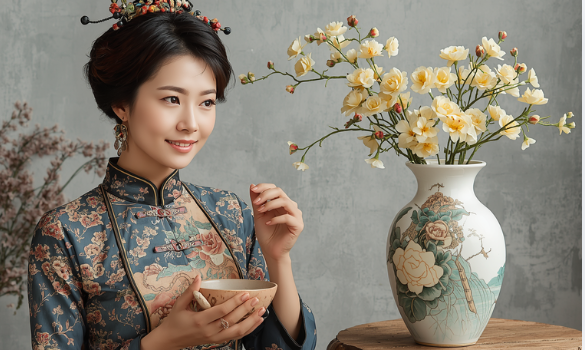
The difference between a standard vase and ceramic art often comes down to artistic presence.
An ordinary vase may simply be made to hold a bouquet. Its job is practical. A ceramic art vase can still do that, but it also works as a design object even when empty. That is the big distinction.
A well-designed ceramic vase can:
- Anchor a room visually
- Add texture to flat spaces
- Bring warmth to modern interiors
- Create contrast against wood, glass, or metal
- Act as shelf décor without needing flowers
- Reflect handmade craftsmanship
- Introduce artistic personality into a home
This is why so many interior designers love ceramic objects. They help a room feel layered and lived-in. They add material richness, especially in spaces that feel too smooth, too uniform, or too cold.
Even a small ceramic vase can make a shelf styling setup feel more complete. A larger sculptural vase can transform an empty console, sideboard, or entryway table into something that feels curated.
The Artistic Value of Shape in Ceramic Vase Design
Shape is one of the biggest reasons a vase feels artistic rather than ordinary.
A standard vase may follow a predictable formula: base, body, neck, opening. A uniquely designed ceramic art vase often plays with that structure. It may exaggerate one part, distort another, or create movement in the silhouette.
Some popular artistic shape directions include:
- Rounded organic forms
- Angular geometric profiles
- Oversized shoulders
- Narrow dramatic necks
- Double-opening forms
- Flattened sculptural shapes
- Loop or arch-inspired bodies
- Off-center or asymmetrical designs
These shapes matter because they affect how the vase feels in a room. Rounded forms tend to feel softer and more natural. Geometric forms feel more modern and architectural. Asymmetrical designs often feel more artistic and expressive.
A great ceramic vase does not need to be loud. Even a simple form can feel unique if the proportions are strong and the silhouette is memorable.
Texture: The Secret Weapon in Ceramic Art
Texture is one of the most powerful elements in a uniquely designed vase ceramic art piece. It is also one of the main things that separates handmade-looking ceramics from flat, factory-standard décor.
Texture may come from:
- Hand-carved lines
- Pressed patterns
- Coils
- Slab-built seams
- Ribbed surfaces
- Stamped marks
- Finger impressions
- Layered clay additions
- Rough or raw clay areas
- Contrasting smooth and textured zones
Texture matters because it changes how light hits the surface. It adds shadow, depth, movement, and tactile interest. Even in a neutral color palette, texture can make a ceramic vase feel rich and visually alive.
That is why textured ceramic vases work so well in homes with soft, earthy, or minimalist styling. They create interest without demanding loud colors.
Glaze and Surface Finish: Why the Finish Changes Everything
The finish on a ceramic vase plays a huge role in its final personality. Two vases with nearly the same shape can feel completely different if one is glossy and the other is matte.
Common finish styles include:
Glossy Glaze
Glossy ceramic vases feel polished, reflective, and often more formal. They work well in glamorous, contemporary, or color-forward interiors.
Matte Finish
Matte finishes feel softer, quieter, and more modern. They are especially popular in neutral interiors and earthy décor styles.
Satin Finish
A satin surface sits between gloss and matte. It can feel elegant without becoming too shiny.
Reactive or Variegated Glaze
This style adds movement and depth. It often creates color variation that makes each piece look more unique.
Raw Clay and Glaze Contrast
Some ceramic art pieces combine unglazed clay with glazed sections. This gives the vase a handcrafted, studio-made feel.
The finish influences not only the look, but also how expensive or artistic the piece feels. Matte and textured surfaces often read as more sculptural, while glossy finishes can feel more decorative and classic.
Handmade Look vs. Perfect Finish
Many buyers naturally wonder whether a ceramic art vase should look perfect or handmade. The answer depends on the design goal.
A perfect, symmetrical finish may feel elegant and refined. But in ceramic art, slight irregularities often add charm and individuality. This is especially true for pieces that are meant to feel organic or artisan-made.
What matters is not whether the piece looks machine-perfect. What matters is whether it feels intentional.
Good artistic irregularity can include:
- Slight variation in form
- Visible hand texture
- Organic asymmetry
- Surface movement in glaze
- Small differences that make the piece feel alive
Bad quality, on the other hand, may include:
- Sloppy edges
- Poor balance
- Cheap-looking glaze
- Rough finishing where it should be smooth
- Design choices that feel accidental instead of artistic
A uniquely designed vase ceramic art piece often benefits from a sense of hand and individuality, but it should still feel skillful.
Functional Vase or Pure Sculpture?
One of the most interesting things about ceramic vase art is that it often lives between function and sculpture.
Some ceramic vases are clearly meant to hold flowers. Others are more sculptural, even if they technically can hold stems. Some are designed to look stunning completely empty.
That gives buyers more flexibility. You can use ceramic vase art in several ways:
- With fresh flowers
- With dried stems
- With branches
- As a standalone shelf object
- As a centerpiece
- As part of a grouped vignette
- As a sculptural accent in an empty corner
This is part of the beauty of ceramic art. It does not have to choose between usefulness and beauty. The best pieces often do both.
Best Home Styles for Ceramic Art Vases
A uniquely designed vase ceramic art piece can work in almost any home, but some styles pair especially well with ceramic décor.
Modern Minimalist Homes
Ceramic vases add warmth and softness to clean-lined spaces. A sculptural neutral vase can become the perfect focal point without adding clutter.
Organic Modern Interiors
This style is one of the best matches for ceramic art. Natural textures, earthy tones, and handmade-looking pieces fit beautifully here.
Boho and Eclectic Spaces
Textured, imperfect, colorful, or sculptural ceramic vases help create layered, collected rooms.
Scandinavian-Inspired Rooms
Simple forms, muted tones, and natural finishes fit especially well with this aesthetic.
Contemporary Luxury Spaces
A bold oversized ceramic vase with a dramatic silhouette can add depth and artistic character to polished interiors.
Rustic or Transitional Homes
Earthy ceramic pieces help bridge traditional warmth with current design trends.
How to Choose the Right Ceramic Art Vase
When shopping for a uniquely designed vase ceramic art piece, it helps to think beyond simple color matching.
1. Start With Shape
Ask yourself whether you want something soft, architectural, sculptural, tall, wide, narrow, or bold.
2. Think About the Space
A small shelf needs a different kind of vase than a big entry table or a fireplace mantel.
3. Consider Texture
If the room already has a lot of smooth surfaces like glass, metal, or polished stone, textured ceramics can add balance.
4. Match the Mood, Not Just the Color
A vase does not need to perfectly match your walls or sofa. It should support the emotional style of the room.
5. Decide Whether It Will Hold Flowers
If you plan to use fresh flowers often, practicality matters. If it is mainly decorative, you can prioritize sculpture more heavily.
6. Look at It Empty First
A ceramic art vase should still look strong when empty. That is usually the sign of a good design.
7. Pay Attention to Proportion
An amazing vase in the wrong size will still feel off in a room. Scale matters.
Why Uniqueness Matters in Home Décor
A home feels more personal when it contains objects that do not look generic. That is one reason people are drawn to ceramic art. It feels more human than mass-market décor.
A uniquely designed vase ceramic art piece can:
- Show taste without trying too hard
- Make a space feel curated
- Add artistic identity
- Support a more collected, layered look
- Create a talking point for guests
- Make even simple floral styling feel elevated
In many homes, it is not the biggest furniture items that create personality. It is the smaller objects with soul. Ceramic art does that exceptionally well.
Common Mistakes People Make When Buying Ceramic Vase Art
Even stylish shoppers sometimes make a few predictable mistakes.
Buying Only for Color
Color matters, but shape and surface often matter more in ceramic art.
Ignoring Scale
A vase may be beautiful on its own but wrong for the space if the size is off.
Choosing a Piece That Needs Flowers to Work
The best ceramic art vases should still look appealing when empty.
Overmatching Décor
If everything matches too closely, the room can feel flat. Ceramic art often works best when it adds contrast.
Confusing Trendy With Timeless
A unique vase should feel special now, but ideally still feel worth keeping later.
Forgetting Texture
Smooth spaces often need tactile depth. Ceramic vases are an easy way to add it.
Problem-Solving Tips
1. Use the Vase as Sculpture First
Before adding flowers, place it in the room and judge whether it works as an art object on its own.
2. Pair Bold Shapes With Simpler Surroundings
If the vase is dramatic, let it breathe. Too many competing objects can weaken its impact.
3. Add Dried Branches for Height
If the piece feels too quiet alone, dried stems or branches can add lift without making it look overly decorated.
4. Mix Matte and Gloss Finishes
A room often looks more interesting when ceramic finishes vary instead of matching exactly.
5. Group in Odd Numbers
If styling multiple objects, group ceramic pieces in threes or fives for a more natural look.
6. Use Neutral Ceramics for Long-Term Flexibility
If you redecorate often, earthy or neutral ceramic art tends to adapt well.
7. Let Texture Do the Work
If you want subtle style, choose texture instead of bright color.
8. Choose One Statement Piece Over Several Weak Ones
One strong vase often does more for a room than a cluster of forgettable décor.
Final Verdict
A uniquely designed vase ceramic art piece is much more than a container. It is one of the easiest and most effective ways to bring craftsmanship, texture, and artistic personality into a home. Whether it is sculptural, textured, glossy, matte, symmetrical, or beautifully irregular, the right ceramic vase can make a room feel more intentional and more complete.
The best pieces stand out because they combine design and presence. They do not rely only on color or trend. They have shape, surface, and a point of view. That is what turns a vase into art.
If you want décor that feels more personal, more elevated, and less mass-produced, ceramic art is a smart direction to explore. And if you choose well, a ceramic vase can become one of those rare home objects that still looks beautiful whether it is holding flowers or simply standing alone.
FAQs
1. What is a uniquely designed vase ceramic art piece?
It is a ceramic vase that stands out for its shape, texture, glaze, or sculptural quality rather than being a simple standard vase.
2. Can ceramic vase art be both functional and decorative?
Yes. Many ceramic art vases are designed to hold flowers while also functioning as sculptural décor.
3. What makes a ceramic vase look artistic?
Strong form, interesting texture, creative glaze work, and thoughtful design details all help make a ceramic vase look artistic.
4. Are textured ceramic vases more popular now?
Yes, textured surfaces are especially popular because they add warmth, depth, and a handmade feel to modern interiors.
5. Should a ceramic art vase look good without flowers?
Absolutely. A strong ceramic art vase should still feel visually interesting when empty.
6. What colors work best for ceramic vase décor?
Neutrals like white, beige, black, gray, and earthy clay tones are versatile, but bold glazes can also work well as statement pieces.
7. Are handmade-looking ceramic vases better than perfectly smooth ones?
Not always better, but they often feel more personal and artistic. The best choice depends on your style and the room.
8. Where should I place a ceramic art vase in my home?
Popular spots include mantels, shelves, entry tables, coffee tables, sideboards, dining tables, and bedroom dressers.
9. What home styles work well with ceramic vase art?
Modern, organic modern, Scandinavian, rustic, boho, eclectic, and contemporary spaces can all work beautifully with ceramic vase art.
10. How do I know if a ceramic vase is truly unique?
Look at the silhouette, finish, texture, and overall presence. If it feels memorable even when empty, it likely has strong design value.
Conclusion
A uniquely designed vase ceramic art piece can do something many décor items cannot: it can feel practical, artistic, and personal at the same time. It brings shape, texture, and character into a space without overwhelming the room.
That is why ceramic art vases continue to stand out in American homes. They fit beautifully into modern design trends, but they also offer something deeper than trend alone. They reflect craftsmanship, visual storytelling, and the kind of design that people want to live with for years.
If you are decorating a shelf, refreshing a room, or simply searching for one piece that feels special, a well-chosen ceramic art vase can be one of the smartest and most beautiful additions you make.
