
If you recently installed new ceramic brake pads, one of the most important things you can do is properly bed them in. Unfortunately, many drivers skip this step entirely, which often leads to squeaking brakes, poor stopping performance, uneven rotor wear, brake vibration, and reduced pad lifespan.
Learning how to bed in ceramic brake pads correctly can dramatically improve braking performance, increase safety, reduce brake noise, and help your brake system last much longer. Whether you drive a daily commuter, pickup truck, sports car, SUV, or performance vehicle, the bedding process is critical for getting the best results from ceramic pads.
This complete guide explains everything in detail — from what brake bedding actually means to step-by-step bedding procedures, common mistakes, warning signs, advanced techniques, and professional-level tips most competitor articles never discuss.
What Does Bedding In Ceramic Brake Pads Mean?
Bedding in brake pads is the process of gradually transferring an even layer of brake pad material onto the surface of the brake rotors.
This process helps:
- Improve friction consistency
- Prevent uneven rotor deposits
- Reduce brake squeal
- Increase braking power
- Extend pad and rotor life
- Prevent brake judder and vibration
When ceramic brake pads are brand new, their surface and the rotor surface are not perfectly matched. Bedding creates a smooth and even friction layer between both components.
Without proper bedding, the pads may glaze or create uneven material deposits that hurt performance.
Why Ceramic Brake Pads Require Bedding
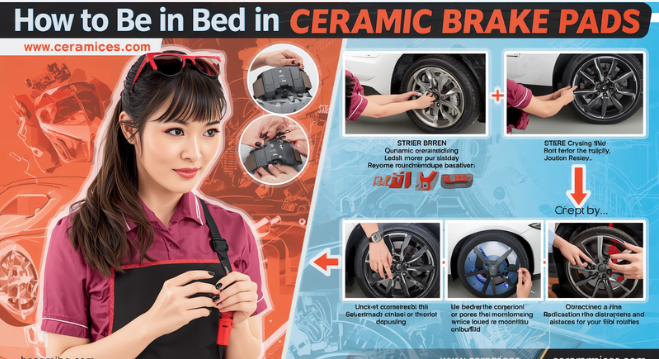
Ceramic brake pads behave differently from metallic or organic brake pads.
They are known for:
- Quiet operation
- Lower dust production
- Smooth braking feel
- Long lifespan
- Stable high-temperature performance
However, ceramic compounds need controlled heat cycles to fully optimize their friction characteristics.
Proper bedding allows the ceramic compounds to:
- Heat evenly
- Cure correctly
- Bond with rotor surfaces
- Achieve optimal friction levels
Skipping this process often results in brakes that feel weak or inconsistent.
What Happens If You Do Not Bed In Ceramic Brake Pads?
Many drivers install new pads and immediately drive normally without bedding them in. This is one of the biggest brake mistakes.
Improperly bedded ceramic pads can cause:
1. Brake Squealing
Uneven rotor deposits often create vibration and noise.
2. Reduced Stopping Power
The pads cannot create maximum friction without proper transfer layers.
3. Rotor Hot Spots
Uneven heat buildup may create hard spots on rotors.
4. Brake Judder
Drivers often mistake this vibration for warped rotors.
5. Glazed Brake Pads
Overheating brand-new pads too quickly can harden the surface.
Glazed pads become:
- Slippery
- Noisy
- Less effective
6. Premature Brake Wear
Poor contact between pad and rotor accelerates wear.
Understanding the Science Behind Brake Bedding
Most articles barely explain the actual science.
Here’s what really happens during bedding.
When ceramic pads heat up under controlled braking:
- Microscopic pad particles transfer onto rotor surfaces
- A thin friction film develops
- The rotor surface becomes conditioned
- Friction stabilizes
Modern braking systems depend heavily on this transfer layer.
Contrary to popular belief, brakes do not work purely from pad-to-metal contact. Much of the braking friction actually occurs between:
- Pad material
and - The transferred friction layer on the rotor
This is why proper bedding is so important.
Signs Your Ceramic Brake Pads Need Bedding
If you recently installed ceramic pads and notice any of these symptoms, bedding may not have been completed correctly.
Common Symptoms
- Weak braking response
- Squeaking or squealing
- Vibrations during braking
- Uneven stopping feel
- Brake pedal pulsing
- Burning smell after hard braking
- Rotor discoloration
Fortunately, many bedding issues can still be corrected later.
When Should You Bed In Ceramic Brake Pads?
The best time is immediately after installation.
You should bed in pads whenever replacing:
- Brake pads
- Brake rotors
- Both pads and rotors
Even if rotors are resurfaced, bedding remains important.
Do All Ceramic Brake Pads Require Bedding?
Most manufacturers strongly recommend it.
However, some premium ceramic brake pads advertise:
- “Scorched”
- “Pre-bedded”
- “Thermally conditioned”
These pads may reduce bedding time, but a proper bedding procedure is still beneficial for optimal rotor transfer.
Before You Start Bedding Brake Pads
Preparation matters more than most drivers realize.
Check Brake Installation
Before bedding:
- Verify proper pad installation
- Confirm rotor cleanliness
- Ensure hardware is tightened correctly
- Check brake fluid level
Improper installation can ruin bedding results.
Clean Rotors Properly
New rotors often contain protective oils from manufacturing.
Use:
- Brake cleaner spray
- Clean microfiber towels
Contaminated rotors reduce pad transfer quality.
Find a Safe Location
You need:
- Open road
- Low traffic
- Minimal stoplights
- Safe braking space
Industrial roads or empty highways often work best.
Never attempt bedding in crowded traffic.
Step-by-Step Guide: How to Bed In Ceramic Brake Pads
This is the professional-style procedure used by many mechanics and performance drivers.
Stage 1: Initial Warm-Up
Start by driving normally for several minutes.
This gently warms:
- Pads
- Rotors
- Calipers
Avoid sudden aggressive braking on cold components.
Stage 2: Moderate Stops
Perform:
- 5 to 6 moderate stops
- From around 40 mph down to 10 mph
Do not come to a complete stop.
Use moderate brake pressure.
Purpose:
- Begin even heat cycling
- Start friction transfer layer formation
Stage 3: Aggressive Stops
Next:
- Perform 4 to 5 harder stops
- From approximately 50–60 mph down to 10–15 mph
Brake firmly without activating ABS.
You should feel stronger brake bite developing.
Stage 4: Cooling Period
This stage is critically important and often skipped.
After aggressive braking:
- Drive for 5–10 minutes
- Avoid heavy braking
- Allow airflow to cool brakes gradually
Never park immediately after bedding.
Hot pads sitting against rotors can create uneven deposits.
Why You Should Not Come to a Full Stop During Bedding
This is one of the most overlooked professional tips.
Stopping completely while brakes are extremely hot may imprint pad material unevenly onto the rotor surface.
This causes:
- Brake vibration
- Pulsation
- Judder
Keep the vehicle rolling lightly whenever possible during bedding.
How Long Does It Take to Bed In Ceramic Brake Pads?
Most bedding procedures take:
- 15–30 minutes total
However, complete pad curing may require:
- 200–300 miles of normal driving
During this break-in period:
- Avoid extreme braking if possible
How to Tell If Ceramic Brake Pads Are Properly Bedded
You may notice:
Improved Brake Feel
Pedal response becomes smoother and more predictable.
Stronger Bite
Stopping power increases noticeably.
Reduced Noise
Squeaks and grinding often disappear.
Smooth Rotor Surface
Rotors may develop a uniform gray or blue-gray appearance.
This is normal and desirable.
Common Mistakes When Bedding Ceramic Brake Pads
Many brake problems come from poor bedding habits.
1. Braking Too Hard Too Early
Overheating fresh pads immediately can glaze them.
Always build heat gradually.
2. Coming to Complete Stops
This may create uneven rotor deposits.
3. Skipping Rotor Cleaning
Oil contamination ruins transfer layers.
4. Bedding in Heavy Traffic
Frequent interruptions prevent consistent heat cycles.
5. Riding the Brakes
Constant light pressure overheats pads unevenly.
6. Ignoring Manufacturer Instructions
Some performance pads require specific bedding procedures.
Always read the manufacturer’s recommendations.
Do New Rotors Need Bedding Too?
Absolutely.
New rotors require proper pad transfer layers just as much as new pads do.
In fact, replacing pads without resurfacing or replacing rotors can sometimes reduce bedding effectiveness.
Fresh rotors usually provide the best results.
Can You Re-Bed Ceramic Brake Pads?
Yes.
If brakes develop:
- Noise
- Minor vibration
- Weak bite
A proper re-bedding procedure may restore performance.
However, severely glazed pads or damaged rotors may require replacement.
What Is Brake Pad Glazing?
Glazing occurs when excessive heat hardens the surface of the brake pad.
Glazed pads become:
- Smooth
- Glass-like
- Slippery
Symptoms include:
- Loud squealing
- Poor braking
- Reduced friction
Improper bedding is a major cause of glazing.
How to Fix Glazed Ceramic Brake Pads
Mild glazing can sometimes be corrected by:
- Light sanding
- Rotor resurfacing
- Proper re-bedding
Severe glazing often requires new pads.
Ceramic Brake Pads vs Metallic Pads During Bedding
Ceramic and metallic pads behave differently.
Ceramic Pads
- Require smoother heat cycling
- Produce less dust
- Operate quieter
- Often need gentler bedding
Semi-Metallic Pads
- Heat faster
- Handle aggressive bedding better
- Create more dust
- May produce more noise
Understanding these differences helps optimize the process.
Performance Driving and Brake Bedding
If you use your vehicle for:
- Track driving
- Towing
- Mountain roads
- Spirited driving
Proper bedding becomes even more important.
Performance driving generates extreme temperatures that expose weak bedding immediately.
Advanced Bedding Techniques Used by Professionals
Most online guides stop at beginner-level advice. Here are advanced methods enthusiasts and mechanics often use.
Progressive Heat Cycling
Instead of one aggressive bedding session, some drivers gradually increase brake intensity over multiple drives.
This helps:
- Reduce thermal shock
- Improve long-term rotor stability
- Minimize cracking risk
Especially useful for performance rotors.
Infrared Temperature Monitoring
Professional race teams often use infrared thermometers to monitor rotor temperatures during bedding.
Ideal temperatures vary by pad compound.
This allows precise heat management.
Rotor Surface Inspection
Experienced mechanics inspect rotor appearance after bedding.
A properly bedded rotor usually shows:
- Uniform color
- Even transfer layer
- No blotchy patches
Uneven coloration may indicate poor transfer.
Bedding Ceramic Brake Pads After Rotor Replacement
Brand-new rotors require extra attention.
Fresh rotor surfaces are more abrasive initially.
During first bedding:
- Use gradual pressure increases
- Avoid panic stops
- Monitor brake feel closely
This helps establish clean friction layers.
How Weather Affects Brake Bedding
Temperature and moisture can influence results.
Cold Weather
Cold temperatures slow heat buildup.
You may need:
- More braking cycles
- Longer warm-up periods
Hot Weather
Pads heat rapidly.
Avoid overheating during aggressive stops.
Wet Conditions
Rain can interrupt transfer layer formation.
Whenever possible:
- Perform bedding in dry conditions
Brake Dust During Bedding
Some brake dust during bedding is completely normal.
The process naturally removes microscopic material from pads and rotors.
Excessive smoke or strong burning smells, however, may indicate overheating.
Should You Use Brake Pad Lubricant?
Brake lubricant should only be applied to:
- Pad backing plates
- Contact points
- Hardware interfaces
Never apply lubricant to:
- Rotor surfaces
- Pad friction material
Improper lubrication can destroy braking performance.
Can ABS Affect Brake Bedding?
Yes.
During bedding:
- Avoid triggering ABS if possible
ABS interruptions reduce smooth transfer layer formation.
Firm, controlled braking works best.
How Long Do Ceramic Brake Pads Last After Proper Bedding?
Correctly bedded ceramic brake pads often last:
- 30,000 to 70,000 miles
Depending on:
- Driving style
- Vehicle weight
- Road conditions
- Brake quality
Proper bedding can significantly extend service life.
Signs Your Bedding Procedure Failed
Watch for these warning signs afterward:
- Persistent squealing
- Severe vibration
- Weak stopping power
- Uneven rotor discoloration
- Strong burning odors
These symptoms may require:
- Re-bedding
- Rotor resurfacing
- Pad replacement
Best Driving Habits After Bedding In Ceramic Brake Pads
For the first few hundred miles:
- Avoid panic braking
- Avoid towing heavy loads
- Do not race aggressively
- Allow brakes to cool after hard driving
Gentle break-in driving helps stabilize friction layers.
Professional Mechanic Tips for Better Brake Performance
Here are expert-level habits many drivers never learn.
Torque Lug Nuts Properly
Uneven lug torque can mimic warped rotors.
Always torque wheels to specification.
Flush Old Brake Fluid
Old fluid reduces braking consistency under heat.
Fresh fluid improves pedal feel.
Match Pads and Rotors
Low-quality rotor and pad combinations may bed poorly together.
Choose compatible components.
Avoid Cheap Brake Parts
Budget brake pads often use inconsistent friction compounds.
Premium ceramic pads usually provide:
- Better noise control
- Improved bedding
- Longer lifespan
Why Proper Bedding Improves Safety
Properly bedded brakes do more than reduce noise.
They improve:
- Emergency stopping
- Brake predictability
- Heat resistance
- Pedal consistency
- Vehicle control
This becomes especially important during sudden braking situations.
The Difference Between Bedding and Breaking In
These terms are often confused.
Bedding
Controlled heat cycling process that transfers friction material.
Breaking In
Longer wear adaptation period over several hundred miles.
Both are important for optimal performance.
DIY vs Professional Brake Bedding
Most drivers can safely bed ceramic brake pads themselves.
However, professional shops may provide advantages like:
- Precision inspection
- Rotor measurements
- Controlled test routes
- Advanced diagnostics
For performance vehicles, professional bedding may be worth considering.
How long does it take to bed in ceramic brake pads?
The actual bedding procedure usually takes about 15 to 30 minutes. However, ceramic brake pads may continue fully breaking in over the next 200 to 300 miles of regular driving.
Do ceramic brake pads really need bedding?
Yes. Proper bedding is extremely important for ceramic brake pads because it creates an even transfer layer on the rotor surface. This improves braking performance, reduces noise, and helps prevent uneven wear.
What happens if I do not bed in my ceramic brake pads?
Skipping the bedding process can lead to:
- Brake squealing
- Poor stopping power
- Rotor vibration
- Uneven brake wear
- Glazed brake pads
- Brake judder
Proper bedding helps avoid these common issues.
Can I bed in ceramic brake pads on normal roads?
Yes, but you should choose a safe, open area with minimal traffic. Empty highways, industrial roads, or quiet back roads work best for controlled braking cycles.
Should I replace rotors when installing ceramic brake pads?
Replacing or resurfacing rotors is highly recommended. New ceramic brake pads work best when paired with clean, smooth rotor surfaces for proper friction transfer.
How many stops are needed to bed in ceramic brake pads?
Most bedding procedures involve:
- 5–6 moderate stops
- Followed by 4–5 harder stops
The exact number may vary depending on the brake pad manufacturer.
Can ceramic brake pads glaze during bedding?
Yes. If the pads get too hot too quickly, glazing can occur. Glazed pads often become noisy and lose braking effectiveness.
Is brake smell normal during bedding?
A mild burning smell is usually normal during bedding because the pads are heating and curing. However, excessive smoke or a very strong odor may indicate overheating.
Why are my brakes squeaking after installing ceramic pads?
Squeaking after installation may happen because:
- Pads were not bedded properly
- Rotors are uneven
- Hardware was installed incorrectly
- Pads became glazed
A proper re-bedding procedure can sometimes solve the issue.
Can you re-bed ceramic brake pads later?
Yes. If braking performance feels inconsistent or noisy, you can often re-bed the pads using the proper bedding process again.
Should I come to a full stop during bedding?
No. Avoid holding the brakes at a complete stop while the brakes are extremely hot. This can create uneven pad deposits on the rotors.
Do all ceramic brake pads use the same bedding process?
Not always. Some manufacturers provide specific bedding instructions based on their brake compound formulas. Always check the instructions included with your brake pads.
How do I know if my ceramic brake pads are properly bedded?
Properly bedded brakes usually feel:
- Smooth
- Quiet
- Responsive
- Consistent
The rotor surface may also develop a uniform gray or blue-gray appearance.
Can rain affect brake bedding?
Yes. Wet conditions can interrupt the transfer layer formation between the pads and rotors. Dry weather is ideal for bedding ceramic brake pads.
Are ceramic brake pads better than metallic pads?
Ceramic brake pads are often preferred for:
- Quiet braking
- Low brake dust
- Smooth daily driving
- Longer lifespan
Semi-metallic pads may offer stronger performance for aggressive driving or heavy towing.
Conclusion
Understanding how to bed in ceramic brake pads properly is one of the smartest things any vehicle owner can learn after installing new brakes. While many drivers overlook the process, proper bedding plays a major role in braking performance, safety, rotor protection, and long-term brake durability.
By gradually heating the pads and rotors through controlled braking cycles, you create the smooth transfer layer needed for consistent friction and reliable stopping power. This not only helps eliminate common problems like squealing, glazing, and vibration, but also improves overall driving confidence.
Whether you drive a daily commuter, performance car, truck, or SUV, taking the time to bed in ceramic brake pads correctly can make a noticeable difference in how your vehicle feels on the road. With proper installation, careful bedding, and good driving habits afterward, ceramic brake pads can deliver quiet, smooth, and dependable braking performance for thousands of miles.
