
If you have ever picked up a ceramic mug, porcelain plate, vase, or bowl and noticed its smooth, glossy, colored, or glass-like finish, you were looking at the surface coating.
That coating matters more than most people think.
It is not just there to make the piece look pretty. It changes how the ceramic feels in your hand. It affects how the surface reflects light. It can add color, shine, texture, and protection. In many cases, it is one of the main reasons a piece feels finished at all.
So if you are asking about a surface coating for ceramics or porcelain, the most common answer is simple:
It is called glaze.
That is the word people use most often, and it is the right place to start.
The Short Answer
A surface coating for ceramics or porcelain is usually called glaze. Glaze is a coating applied to the surface of clay pieces before firing, and after firing it forms a hard, finished layer that can be glossy, matte, smooth, textured, colored, or transparent.
What Is the Surface Coating on Ceramics or Porcelain Called?
The standard word is glaze.
That is the term used for the coating applied to ceramic or porcelain surfaces to create the final finish. Once the piece is fired, the glaze becomes a hardened outer layer that changes both the look and the function of the object.
So if someone asks for the name of the surface coating on ceramics or porcelain, glaze is almost always the answer they want.
What Glaze Actually Does
Glaze is not only decorative.
That is one of the biggest misunderstandings people have about ceramics.
A glaze can absolutely make a piece more beautiful. It can add rich color, soft shine, deep gloss, subtle texture, or a clean clear finish. But it also does practical work.
A glaze can help make a ceramic or porcelain piece feel:
- Smoother
- More finished
- Easier to clean
- More resistant to moisture
- More suitable for everyday use
That is why glaze matters so much.
Without it, many ceramic pieces would feel rougher, more porous, and less complete.
Why Ceramics and Porcelain Need a Surface Coating
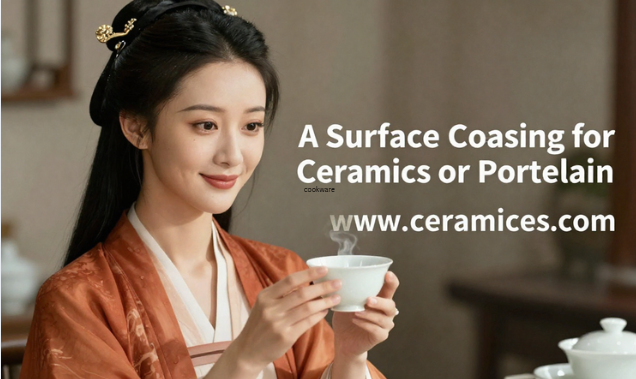
Clay on its own can be beautiful, but it does not always give people the finished result they expect.
When people think of a ceramic bowl or porcelain cup, they usually imagine a surface that feels:
- Smooth
- Hard
- Clean
- Sealed
- Pleasant to touch
That effect often comes from the glaze.
The glaze gives the object its outer skin. It changes a shaped clay piece into something that looks ready for the table, the shelf, or everyday use.
That is why the surface coating is such a big part of ceramic and porcelain work. It is not an extra detail. It is often a defining one.
Glaze Is What Makes Many Pieces Look Finished
Think about a ceramic mug.
Without glaze, it may still have a good shape. It may still be well made. But once glaze is added and fired, the mug usually looks complete. The color settles in. The light reflects differently. The surface feels intentional.
That is the transformation glaze creates.
It turns raw-looking clay into a finished ceramic object.
That is why glaze is often one of the first things people notice, even if they do not know the word for it.
What Glaze Can Look Like
Not all glaze looks the same.
That is part of what makes ceramics so interesting.
A surface coating for ceramics or porcelain can look:
- Glossy
- Matte
- Satin-like
- Transparent
- Opaque
- Brightly colored
- Softly neutral
- Smooth
- Speckled
- Crackled
- Layered
- Textured
This variety is one reason ceramic and porcelain pieces can feel so different from one another, even when the shape is similar.
A bowl with a glossy white glaze feels different from one with a dry matte glaze. A vase with deep blue glaze feels different from one with a soft earthy finish. The coating changes the mood of the piece.
Glaze on Ceramic vs Glaze on Porcelain
The same word is used for both.
Whether the piece is ceramic or porcelain, the surface coating is still usually called glaze.
But the final look can feel different because the clay body underneath is different. Porcelain often has a finer, more refined appearance, while other ceramics may feel earthier or heavier depending on the material and finish.
Even so, the coating itself is still generally called glaze.
That is the simple answer across both categories.
Why Glaze Matters So Much in Daily Use
If you use ceramic or porcelain items every day, glaze affects the experience more than you may realize.
It affects:
- How a mug feels against your lips
- How easily a bowl washes clean
- How a plate reflects light on the table
- How a vase looks in a room
- How smooth the inside of a cup feels
- How finished a piece seems overall
This is why the surface coating is not only a technical detail. It is part of how the object lives in everyday life.
A good glaze makes the piece feel better to use, not just better to look at.
The Surface Coating Is Often the Most Noticeable Part
When people admire ceramics or porcelain, they are often reacting first to the glaze.
They may say:
- I love the color
- It has such a beautiful shine
- The surface feels so smooth
- I like that soft matte finish
- The texture is gorgeous
All of those reactions usually point back to the glaze.
Even when the shape of the piece matters just as much, the surface coating often creates the first emotional response.
That is what makes glaze such a powerful part of ceramic design.
Is Glaze the Same as Paint?
Not exactly.
This is a common point of confusion.
Glaze can add color like paint, but it is not simply paint brushed onto the surface. In ceramics, glaze becomes part of the finished fired surface. It changes during firing and bonds with the piece in a way that makes it very different from ordinary paint.
So while glaze can be decorative, it is more than surface color. It is a ceramic finish.
That distinction matters.
Why the Word “Glazed” Appears So Often
If you shop for pottery, porcelain, dishes, or decorative ceramics, you will often see the word glazed.
That word simply means the piece has been given a glaze coating.
For example:
- Glazed ceramic mug
- Glazed porcelain vase
- Hand-glazed bowl
- Gloss-glazed tile
All of those descriptions are referring to the same basic idea: a surface coating applied to the object and fired into its final finish.
Is There Any Other Word for the Surface Coating?
Sometimes people may use broader words like:
- Finish
- Coating
- Surface finish
- Enamel-like finish
But in ceramics and porcelain, glaze is still the most accurate and common term.
So if the question is asking for the proper name, glaze is the best answer.
Why Glaze Changes the Personality of a Piece
This is where ceramic writing becomes more interesting.
The glaze does not only finish the object. It gives it personality.
A glossy glaze can feel polished and bright.
A matte glaze can feel calm and modern.
A crackled glaze can feel old, delicate, or artistic.
A rich dark glaze can feel dramatic.
A soft cream glaze can feel warm and handmade.
That is why the surface coating matters so much in ceramics or porcelain. It shapes the emotional tone of the piece, not just the technical finish.
Glaze Can Be Functional and Beautiful at the Same Time
This is one of the best things about ceramics.
The same surface coating can do two jobs at once.
It can protect the piece and beautify it.
It can make a bowl easier to use and also more attractive on the table.
It can help a vase resist moisture and also make it more visually striking.
That balance between usefulness and beauty is one of the reasons glaze is so central to ceramic and porcelain work.
Why People Search for This Keyword
When people search for a surface coating for ceramics or porcelain, they are usually trying to find the exact term.
They may have seen the question in:
- A crossword
- A quiz
- A classroom setting
- A product description
- A pottery discussion
- A ceramics guide
In most of those cases, the expected answer is the same:
glaze
That is the word they are looking for.
A More Human Way to Understand It
The easiest way to think about it is this:
Clay gives the piece its body.
Glaze gives the piece its skin.
That is not the most technical definition, but it is easy to understand and it captures the feeling well.
The ceramic or porcelain form is built first. Then the glaze becomes the outer layer that people see, touch, and respond to.
That is why it matters so much.
Final Thoughts
A surface coating for ceramics or porcelain is usually called glaze.
It is the finish that gives ceramic and porcelain pieces their smoothness, color, shine, texture, and finished look. It can make a mug feel nicer to drink from, a plate look better on the table, and a vase feel more complete in a room.
In other words, glaze is not just decoration.
It is one of the most important parts of the piece.
Without it, many ceramics would feel unfinished.
With it, they become the objects people know, use, and admire every day.
FAQ
What is a surface coating for ceramics or porcelain called?
It is usually called glaze.
Is glaze the same on ceramics and porcelain?
Yes. The standard term for the surface coating on both ceramics and porcelain is glaze.
What does glaze do on ceramics?
Glaze adds a finished surface that can improve appearance, smoothness, and everyday usability.
Is glaze only decorative?
No. It can also help make the surface feel harder, smoother, and easier to clean.
Can glaze be shiny or matte?
Yes. Glaze can be glossy, matte, satin-like, textured, transparent, or opaque.
Is glaze the same as paint?
No. Glaze is a ceramic coating that becomes part of the fired surface, not just ordinary paint.
Why is glaze important?
It helps ceramic and porcelain pieces look finished and often improves how they feel and function.
If I need a one-word answer, what is it?
Glaze
