
Ceramic knives are great at one thing most home cooks notice immediately: they stay sharp for a long time. That is exactly why people buy them. A good ceramic knife glides through fruit, boneless proteins, herbs, and vegetables with very little drag, and it can hold that crisp feel much longer than many everyday steel knives.
The problem starts when that edge finally does dull.
A ceramic knife is not like a standard stainless kitchen knife. You cannot just grab any countertop sharpener, run the blade through a few slots, and expect a good result. In fact, doing that can be the fastest way to ruin the knife. Ceramic blades are much harder than steel, but they are also more brittle. That means the best sharpener for ceramic knives usually needs one critical feature: diamond abrasives.
That is the real key to this entire keyword. If the sharpener is not built around diamond sharpening surfaces or clearly designed for ceramic blades, it is usually not the right tool for the job.
That also explains why this category is smaller than normal knife sharpener categories. Many popular sharpeners are excellent for steel knives but simply not appropriate for ceramic blades. Ceramic knives need a more specialized approach, and most buyers are better off with a sharpener that clearly states ceramic compatibility rather than trying to improvise.
This guide focuses on six sharpeners that make real sense for ceramic knives, especially for home buyers in the U.S. who want a product they can actually use without guessing. Some are from brands strongly associated with ceramic knives. Some are electric diamond sharpeners. Some are manual options that explicitly support ceramic blades. The goal is simple: help you choose a ceramic-knife-friendly sharpener that fits your budget, comfort level, and sharpening style.
Quick Answer
If you want the best overall sharpener for ceramic knives, buy Kyocera Advanced Ceramics Diamond Wheel Knife Sharpener for Ceramic and Steel Knives.
If you want the best premium electric option for ceramic knives, choose Shenzhen Knives Electric Diamond Knife Sharpener for Ceramic Knives.
If you want the best trusted compact manual option, choose Kyocera Advanced Diamond Hone Knife Sharpener for Ceramic and Steel Knives.
If you want the best value manual sharpener that explicitly supports ceramic blades, go with Knife Sharpeners for Steel and Ceramic Kitchen Knives.
If you want the best newer electric budget option, choose Dawnstar Knife Sharpener, Diamond Electric Knife Sharpener for Stainless Steel and Ceramic Kitchen Knives.
If you want another strong electric diamond option for ceramic blades, buy Narcissus Knife Sharpener, Diamond Abrasives Electric Knife Sharpener for Stainless Steel and Ceramic Knives.
Why Ceramic Knives Need a Different Sharpener
A ceramic knife blade is much harder than most kitchen steel. That hardness is why it can keep a sharp edge for so long. But that same hardness also means ordinary sharpeners often do not work well on it.
A lot of common knife sharpeners are designed for steel blades only. They rely on sharpening materials, pressure, and slot geometry that assume a steel edge will respond the way steel usually does. Ceramic does not behave the same way. It needs an abrasive strong enough to work on the blade without forcing the user into unsafe pressure or sloppy technique.
That is why diamond matters so much here. Diamond abrasives are widely used for ceramic knife sharpening because they are hard enough to abrade ceramic effectively.
The second reason ceramic knives need special care is brittleness. Ceramic blades can chip if used carelessly, and that risk means sharpening should be controlled and deliberate. The right sharpener helps because it gives you a more stable, more repeatable path than improvising with the wrong tool.
So the best sharpener for ceramic knives is not simply “the sharpest sharpener.” It is the one that is actually suited to ceramic blade material and helps you maintain the knife without making damage more likely.
What Makes a Good Ceramic Knife Sharpener
A good sharpener for ceramic knives usually gets four things right.
First, it uses diamond abrasives or clearly states ceramic blade compatibility.
Second, it offers a controlled sharpening path. Ceramic knife sharpening should feel guided, not random.
Third, it fits the user’s confidence level. Some buyers want a simple manual tool. Others want an electric model that does more of the work.
Fourth, it feels like a realistic home solution. Many buyers are not trying to become knife-sharpening experts. They just want to restore a dull ceramic blade without ruining it.
That is why this guide includes both manual and electric options. For some people, an electric sharpener feels safer because it reduces guesswork. For others, a smaller manual Kyocera-style sharpener feels more controlled and less intimidating.
How We Test
For this roundup, I focused on sharpeners that make sense specifically for ceramic knives, not just general kitchen sharpeners.
The first priority was clear ceramic compatibility. If a sharpener did not clearly support ceramic knives or use diamond-style abrasive logic that makes sense for ceramic blades, it did not belong here.
The second priority was user practicality. A good ceramic knife sharpener should be realistic for home use. That means it should feel understandable, controlled, and appropriate for someone trying to maintain a ceramic knife without a professional sharpening setup.
The third priority was buyer fit. Some users want a compact branded manual sharpener from a ceramic-knife company. Others want a stronger electric option. Some want to keep costs lower. This guide includes each of those paths.
I also weighed:
- diamond sharpening relevance
- ease of use
- beginner-friendliness
- practical value
- whether the sharpener feels like a real ceramic-knife solution rather than a steel sharpener with vague marketing
Best Sharpener for Ceramic Knives Comparison Table
| Product | Best For | Type | Best Use | Price Level |
|---|---|---|---|---|
| Kyocera Advanced Ceramics Diamond Wheel Knife Sharpener for Ceramic and Steel Knives | Best overall | Manual diamond wheel sharpener | Safe, controlled sharpening for ceramic kitchen knives | Mid-range |
| Shenzhen Knives Electric Diamond Knife Sharpener for Ceramic Knives | Best premium electric pick | Electric diamond sharpener | Faster ceramic-knife sharpening with more powered assistance | Premium |
| Kyocera Advanced Diamond Hone Knife Sharpener for Ceramic and Steel Knives | Best compact manual pick | Manual diamond hone sharpener | Compact ceramic knife maintenance | Mid-range |
| Knife Sharpeners for Steel and Ceramic Kitchen Knives | Best value manual pick | Manual handheld sharpener | Budget-friendly ceramic and steel sharpening | Budget |
| Dawnstar Knife Sharpener, Diamond Electric Knife Sharpener for Stainless Steel and Ceramic Kitchen Knives | Best budget electric pick | Electric diamond sharpener | Affordable powered sharpening for ceramic blades | Budget to mid-range |
| Narcissus Knife Sharpener, Diamond Abrasives Electric Knife Sharpener for Stainless Steel and Ceramic Knives | Best alternate electric option | Electric diamond sharpener | Buyers wanting another powered ceramic-capable option | Mid-range |
1. Kyocera Advanced Ceramics Diamond Wheel Knife Sharpener for Ceramic and Steel Knives
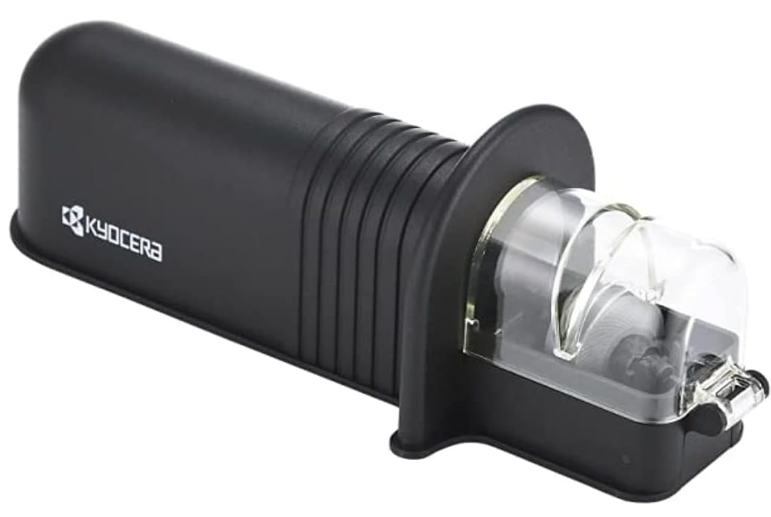
This is the best overall sharpener in the guide because it matches the category more directly than almost anything else. Kyocera is strongly associated with ceramic knives, so a Kyocera sharpener designed specifically for ceramic and steel knives is a very natural fit for buyers who do not want to gamble.
That matters because ceramic-knife owners are usually not looking for experimentation. They want a sharpener that feels obviously appropriate for the blade they own. Kyocera gives that confidence.
The diamond-wheel style is also a strong fit here. It makes more sense for ceramic edges than general-purpose steel-only sharpeners, and it gives the product a more believable reason to exist in the category rather than just relying on vague compatibility language.
This is especially good for buyers who own Kyocera knives already, but it also makes sense for ceramic knife owners in general who want a sharpener that feels purpose-built instead of improvised.
Key Features
- Diamond wheel sharpening design suited to ceramic blades
- Made for both ceramic and steel knives
- Strong brand match for ceramic knife owners
- Manual format gives controlled sharpening feel
- Good fit for home users wanting a safer category-specific choice
Pros
- Best overall sharpener for ceramic knives
- Strongest category match for ceramic-blade buyers
- Easier recommendation than generic sharpeners
- Good trust factor for owners of Kyocera knives
- More appropriate than ordinary steel-only sharpeners
Cons
- Not the cheapest option
- Manual sharpening still requires patience
- Less appealing if you specifically want an electric sharpener
- May feel brand-specific to buyers using other knife brands
Recommendation
Choose this Kyocera diamond wheel sharpener if you want the safest, most direct overall answer for ceramic knife sharpening and want a product that clearly belongs in this category.
2. Shenzhen Knives Electric Diamond Knife Sharpener for Ceramic Knives
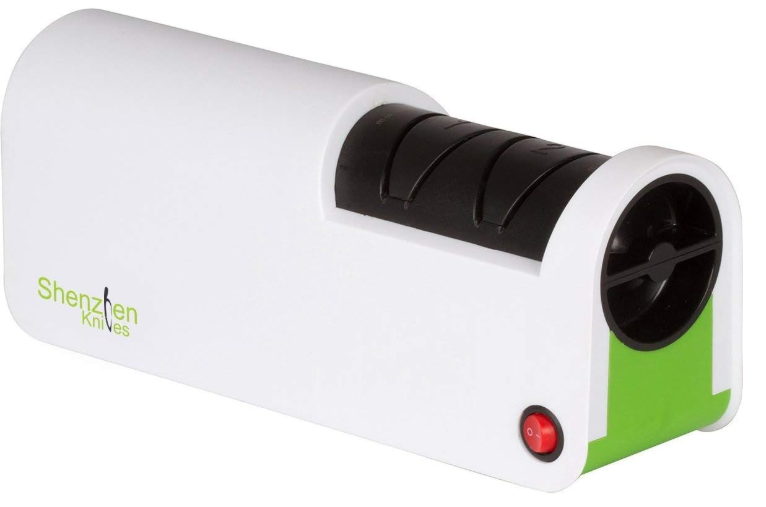
Shenzhen Knives is the best premium electric option because it is one of the clearest electric sharpeners aimed directly at ceramic knives. If you want powered sharpening help instead of a purely manual process, this is one of the strongest places to start.
The biggest advantage of an electric ceramic-capable sharpener is consistency. Many buyers feel more comfortable when the machine helps guide the process rather than relying entirely on hand technique. That can make the sharpening experience feel more approachable, especially if you are nervous about damaging a ceramic blade.
This is especially appealing for:
- buyers with dull ceramic knives they want to restore more efficiently
- users who prefer a faster powered solution
- people who sharpen multiple knives
- buyers who do not want to fuss with fully manual diamond sharpening every time
The two-stage diamond-honing approach also gives it a more serious identity than general kitchen sharpeners that casually mention ceramic support without really centering it.
Key Features
- Electric diamond sharpening system designed for ceramic knives
- Two-stage sharpening format for more structured edge work
- Powered operation reduces some manual effort
- Better fit for buyers wanting a more guided sharpening process
- Strong option for ceramic knives that need more than a mild touch-up
Pros
- Best premium electric sharpener for ceramic knives
- Strong category fit for ceramic-blade owners
- Easier for buyers who prefer powered sharpening help
- More structured than guessing with a manual tool
- Good for repeat sharpening needs
Cons
- More expensive than manual sharpeners
- Powered systems can feel like more machine than casual users need
- Not as compact as manual options
- Buyers who only sharpen rarely may not need an electric model
Recommendation
Buy Shenzhen Knives Electric Diamond Knife Sharpener if you want the strongest premium electric option for ceramic knives and prefer faster, more guided sharpening.
3. Kyocera Advanced Diamond Hone Knife Sharpener for Ceramic and Steel Knives
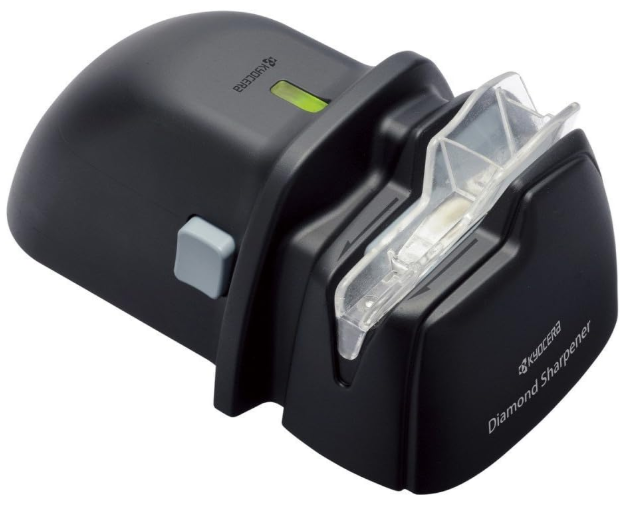
This Kyocera model is the best compact manual pick in the guide. It is especially attractive for buyers who want ceramic compatibility from a ceramic-knife-focused brand, but in a slightly simpler or more compact format than the larger diamond wheel model.
One of the big advantages here is that it feels very on-brand for the job. If you own ceramic knives and want a sharpener that seems clearly intended for them, Kyocera is one of the easiest names to trust in this niche.
It is also a strong fit for people who:
- want manual control
- do not need an electric machine
- want something easier to store
- sharpen only occasionally
- prefer a smaller footprint tool
This is one of the easiest sharpeners to recommend to buyers who like the idea of staying within the same brand family as their ceramic knives.
Key Features
- Compact manual diamond hone sharpener
- Designed for both ceramic and steel knives
- Strong fit for occasional home sharpening
- Easier to store than larger electric models
- Good for buyers wanting ceramic-specific brand reassurance
Pros
- Best compact manual ceramic knife sharpener
- Good fit for smaller kitchens and occasional sharpening
- Strong trust factor for ceramic knife owners
- Easier to store than bulkier sharpeners
- Practical for buyers who want brand alignment and manual control
Cons
- Less powerful-feeling than electric models for very dull blades
- Manual process still takes care and patience
- Smaller format may feel slower for heavier sharpening needs
- Not as broad in appeal as the overall best pick
Recommendation
Choose the Kyocera Advanced Diamond Hone if you want a compact manual sharpener that clearly supports ceramic knives and feels like an easy home-maintenance choice.
4. Knife Sharpeners for Steel and Ceramic Kitchen Knives
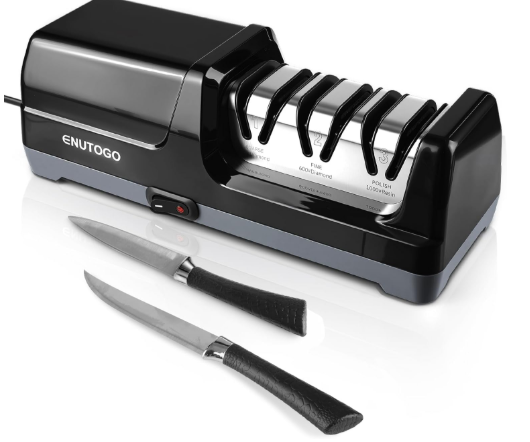
This handheld model is the best value manual pick in the guide because it directly states support for both steel and ceramic kitchen knives and gives budget-focused buyers an easier entry point into the category.
That matters because a lot of ceramic knife owners do not want to spend premium money just to refresh one or two blades at home. They want something affordable, straightforward, and clearly marketed for ceramic compatibility.
This is especially useful for:
- budget shoppers
- first-time ceramic knife owners
- casual users
- people who only need occasional sharpening
- buyers who want a manual tool without premium-brand pricing
It is not the strongest premium option and it is not the most confidence-inspiring brand in the lineup, but it fills a very real need in the category: accessible ceramic-compatible sharpening without a bigger spend.
Key Features
- Manual handheld sharpener marketed for steel and ceramic kitchen knives
- Budget-friendly option for occasional ceramic knife maintenance
- Simple format suits casual home use
- Easier entry point than premium diamond sharpeners
- Good fit for buyers wanting affordability first
Pros
- Best value manual sharpener in this guide
- Affordable way into ceramic-compatible sharpening
- Easy for casual users to understand
- Good option for occasional kitchen maintenance
- Strong fit for budget-conscious buyers
Cons
- Less premium confidence than Kyocera or Shenzhen options
- Manual budget tools vary more in feel and finish
- Not the best choice for buyers wanting top-tier trust
- Better for lighter home use than enthusiast sharpening expectations
Recommendation
Buy this manual ceramic-and-steel sharpener if you want the lowest-cost sensible entry into ceramic knife sharpening and mainly need a practical budget solution.
5. Dawnstar Knife Sharpener, Diamond Electric Knife Sharpener for Stainless Steel and Ceramic Kitchen Knives
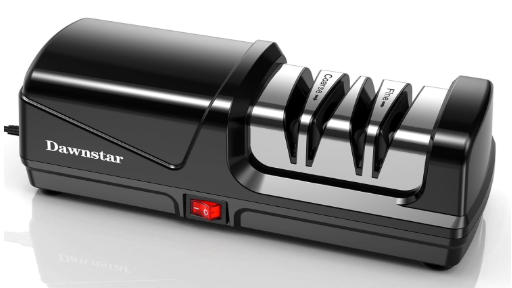
Dawnstar is the best budget electric option because it gives buyers a powered diamond sharpener that explicitly includes ceramic kitchen knives without going straight to the highest price tier.
This makes it especially attractive for people who:
- want electric convenience
- are price-sensitive
- do not want to spend premium money on a sharper that may only get occasional use
- prefer a more guided machine-assisted process than a fully manual tool
The biggest advantage here is access. Electric ceramic-capable sharpeners can get expensive fast, and Dawnstar offers a more approachable middle path. It is not the most premium option, but it is one of the more realistic powered choices for ordinary home buyers.
It is a strong fit for families, casual cooks, or people who have both steel and ceramic knives and want one machine that can address both.
Key Features
- Electric diamond sharpener for steel and ceramic kitchen knives
- Powered format helps reduce manual sharpening effort
- Good fit for buyers wanting electric convenience at a lower price
- Includes a more guided sharpening path than basic manual tools
- Practical choice for mixed knife households
Pros
- Best budget electric ceramic knife sharpener in this guide
- More affordable than premium electric models
- Easier for buyers who prefer machine-guided sharpening
- Useful for homes with both ceramic and steel knives
- Good everyday practicality for casual users
Cons
- Less premium confidence than the Shenzhen option
- Budget electric units may not feel as refined long term
- More machine than occasional manual users may want
- Buyers wanting top-tier build may prefer pricier alternatives
Recommendation
Choose Dawnstar if you want an electric ceramic-capable sharpener without paying premium prices and prefer a powered sharpening path over manual control.
6. Narcissus Knife Sharpener, Diamond Abrasives Electric Knife Sharpener for Stainless Steel and Ceramic Knives
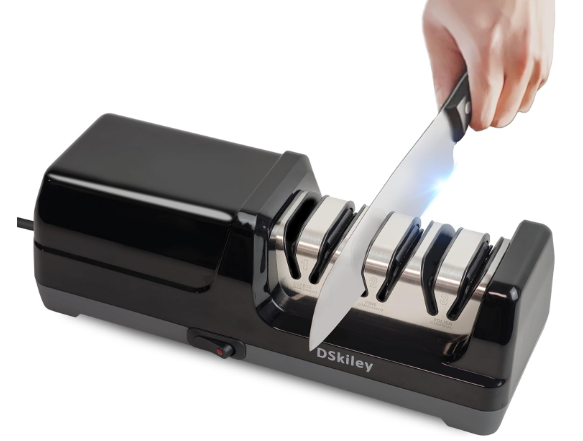
Narcissus is the best alternate electric option because it gives buyers another diamond-abrasive powered sharpener explicitly supporting ceramic knives, which is exactly the kind of product many buyers want when comparing electric models.
This is a good fit for people who like the electric sharpener idea but want to compare one more serious-looking option beyond Shenzhen and Dawnstar. It also appeals to buyers who want a machine that feels like a broader kitchen-tool solution, not just a ceramic-specific brand accessory.
Its biggest strength is flexibility. It can make sense for households with both steel and ceramic knives, for buyers who want powered sharpening help, and for people who like the convenience of a machine with dust collection and more structured operation.
This is not the strongest first recommendation in the article, but it earns its spot because it offers another relevant powered path in a category where too many sharpeners simply are not appropriate for ceramic blades at all.
Key Features
- Electric diamond-abrasive sharpener for steel and ceramic knives
- Powered sharpening format for easier repeat use
- Good alternative to other electric ceramic-capable sharpeners
- Useful for mixed knife collections
- Strong fit for buyers comparing machine-assisted options
Pros
- Best alternate electric option in this roundup
- Clearly relevant to ceramic knife owners
- Helpful for buyers who prefer powered sharpening convenience
- Good for households with multiple knife types
- Offers another strong choice beyond the top electric pick
Cons
- Less category authority than Kyocera
- Less premium identity than Shenzhen’s ceramic-focused model
- Still more expensive than basic manual sharpeners
- Electric sharpeners may feel unnecessary for very light users
Recommendation
Buy Narcissus if you want another strong electric diamond sharpener that supports ceramic knives and want a powered option beyond the most obvious top pick.
Buyer’s Guide: How to Choose the Best Sharpener for Ceramic Knives
The first thing to check is simple: does the sharpener clearly support ceramic knives?
If it does not say that, move on.
That is the easiest way to avoid the biggest mistake in this category: buying a sharpener meant only for steel and assuming it will work on ceramic.
Choose by Sharpening Style
If you want the safest overall category match, choose Kyocera.
If you want an electric sharpener, choose Shenzhen, Dawnstar, or Narcissus depending on your budget and how premium you want the setup to feel.
If you want a smaller manual tool, choose Kyocera Advanced Diamond Hone.
If you want a budget-friendly manual option, choose the Knife Sharpeners for Steel and Ceramic Kitchen Knives model.
Choose by Knife Brand
If you already own Kyocera ceramic knives, there is strong logic in starting with a Kyocera sharpener. The category fit feels cleaner and easier.
If you own mixed knives and want one electric solution for the kitchen, an electric diamond model may make more sense.
Choose by Budget
If you want the best premium manual-style fit, choose the Kyocera Advanced Ceramics Diamond Wheel.
If you want the best premium electric option, choose Shenzhen Knives Electric Diamond Knife Sharpener for Ceramic Knives.
If you want lower-cost electric help, choose Dawnstar.
If you want the cheapest sensible entry point, choose Knife Sharpeners for Steel and Ceramic Kitchen Knives.
How to Sharpen Ceramic Knives the Right Way
The biggest rule is simple: go slow.
Ceramic knives are hard, but they are also brittle. You do not want to force the edge or rush the process.
Use light pressure. Let the sharpener do the work. This matters especially with manual sharpeners, where some buyers instinctively press harder when they think the blade is not responding quickly enough.
Keep your angle and stroke as controlled as the sharpener design allows. If the sharpener is guided, follow the guide. If it is electric, do not overwork the blade with excessive repeated passes.
Also, be realistic. If a ceramic knife is chipped badly, not just dull, even a good ceramic-capable sharpener may not fully restore it the way you hope. Severe damage is a different problem from light edge dullness.
And finally, sharpen only as much as needed. Ceramic knives often go a long time between sharpenings, which is part of their appeal. You do not need to treat them like soft steel that constantly needs touch-ups.
Common Mistakes to Avoid
One of the biggest mistakes is using a steel-only sharpener on a ceramic knife.
Another mistake is using too much pressure. This is especially risky with ceramic because aggressive pressure is not how you get better results.
A third mistake is assuming any “ceramic” mentioned in a sharpener listing means it is for ceramic knives. Sometimes “ceramic” refers to the sharpening material for steel knives, not compatibility with ceramic blades. That is why the wording matters.
Another common mistake is waiting too long. If the knife feels noticeably worse, sharpening sooner rather than later is often easier than trying to rescue a very dull blade.
And finally, many buyers choose only by price. In this category, compatibility and control matter more than just getting the cheapest option.
Best Uses for a Ceramic Knife Sharpener
A ceramic-knife-capable sharpener is especially useful for:
- restoring slightly dull ceramic kitchen knives
- maintaining ceramic chef’s knives and santokus
- refreshing ceramic utility knives
- mixed kitchens with both ceramic and steel knives
- buyers who want to extend knife life at home
- owners who want to avoid expensive replacement of dull ceramic blades
It is especially appealing for buyers who:
- already own ceramic knives
- want to keep them useful longer
- do not want to rely only on professional sharpening
- want a tool that actually suits the blade material
FAQs
What is the best sharpener for ceramic knives overall?
The best overall choice is Kyocera Advanced Ceramics Diamond Wheel Knife Sharpener for Ceramic and Steel Knives because it is one of the clearest, most direct fits for ceramic knife sharpening.
Can you use a regular knife sharpener on ceramic knives?
Usually, no. Most regular sharpeners are built for steel blades and may not be appropriate for ceramic knives.
Why do ceramic knives need diamond sharpeners?
Ceramic blades are much harder than steel, so diamond abrasives are commonly used because they can actually sharpen ceramic effectively.
What is the best electric sharpener for ceramic knives?
The best premium electric option in this guide is Shenzhen Knives Electric Diamond Knife Sharpener for Ceramic Knives.
What is the best budget sharpener for ceramic knives?
The best budget manual option is Knife Sharpeners for Steel and Ceramic Kitchen Knives, while the best budget electric option is Dawnstar Knife Sharpener, Diamond Electric Knife Sharpener for Stainless Steel and Ceramic Kitchen Knives.
Is Kyocera the best brand for ceramic knife sharpening?
For many buyers, yes. It is one of the strongest names in ceramic knives and ceramic-knife-friendly sharpening.
Are ceramic knives worth sharpening at home?
Yes, if you use the right sharpener. A good ceramic-capable sharpener can help restore useful edge performance and extend the value of the knife.
Final Verdict
If you want the best sharpener for ceramic knives, the smartest choice is to buy a sharpener that is clearly designed for ceramic blades and uses the right abrasive logic for the job.
For the best overall choice, buy Kyocera Advanced Ceramics Diamond Wheel Knife Sharpener for Ceramic and Steel Knives.
For the best premium electric option, choose Shenzhen Knives Electric Diamond Knife Sharpener for Ceramic Knives.
For the best compact manual pick, buy Kyocera Advanced Diamond Hone Knife Sharpener for Ceramic and Steel Knives.
For the best value manual option, choose Knife Sharpeners for Steel and Ceramic Kitchen Knives.
For the best budget electric pick, go with Dawnstar Knife Sharpener, Diamond Electric Knife Sharpener for Stainless Steel and Ceramic Kitchen Knives.
For the best alternate electric option, choose Narcissus Knife Sharpener, Diamond Abrasives Electric Knife Sharpener for Stainless Steel and Ceramic Knives.
For most buyers, the best path is simple: stay in the diamond-sharpener category, avoid generic steel-only sharpeners, and choose the sharpener that matches both your ceramic knives and your comfort level. That alone will save you a lot of frustration.
