
If you’ve ever admired a beautiful ceramic vase and wondered, “can you put water in a ceramic vase?”, you’re not alone. Ceramic vases are timeless, elegant, and often found in homes, galleries, or gift shops. They come in countless shapes, colors, and finishes—from rustic handmade pieces to sleek modern designs. But despite their sturdy appearance, not every ceramic vase is suitable for holding water. Some may leak, crack, or even damage the furniture underneath.
Whether you’re using your vase for fresh flowers, decorative branches, or just as a showpiece, understanding the composition of ceramic, the glazing process, and the type of finish can help you determine if it’s safe to add water. This guide explores everything from the basics of ceramic materials to practical tips for using your vase safely and effectively.
Understanding Ceramic Vases: Materials and Structure
To answer “can you put water in a ceramic vase”, it’s essential to know how ceramic vases are made. Ceramic is essentially fired clay, but the type of clay and the firing process affect whether the vase can safely hold water. There are three main types of ceramics commonly used for vases:
1. Earthenware
- Fired at low temperatures (usually 1,000–1,150°C / 1,832–2,102°F)
- Porous and relatively soft
- Often heavier and thicker
- Common for rustic or handmade decorative vases
Water Consideration: Earthenware is porous and will absorb water if unglazed. It is often unsuitable for holding water unless fully glazed inside.
2. Stoneware
- Fired at higher temperatures (1,200–1,300°C / 2,192–2,372°F)
- Dense, strong, and more durable
- Naturally less porous than earthenware
- Ideal for functional pottery
Water Consideration: Stoneware vases with proper glazing are generally safe for water. Even unglazed stoneware can sometimes be sealed to hold water.
3. Porcelain
- Fired at very high temperatures (1,200–1,450°C / 2,192–2,642°F)
- Smooth, dense, and semi-translucent
- Often used for fine decorative and functional vases
Water Consideration: Porcelain vases are almost always water-safe, especially when glazed. They are less likely to absorb moisture or crack under normal use.
The Role of Glazing: Why Some Vases Are Water-Safe
The most critical factor in determining if you can put water in a ceramic vase is the glazing process.
What Is Glazing?
Glaze is a liquid glass-like coating applied to ceramics before the final firing in a kiln. It melts during firing and bonds to the surface of the clay, creating a waterproof and protective layer.
Fully Glazed Interiors
Vases with a fully glazed interior are generally safe to hold water. Benefits include:
- Prevention of water seepage
- Protection from staining and odors
- Easier cleaning
- Longevity of the vase
Partially Glazed or Unglazed Interiors
Some ceramic vases are decoratively glazed only on the outside. Others might be completely unglazed. Risks include:
- Slow leakage or water absorption
- Mold or mildew buildup inside
- Water rings or damage to furniture underneath
- Potential cracking over time
Handmade vs. Factory-Made Ceramic Vases
Whether a vase is handmade or mass-produced affects water safety.
Handmade Vases
- Unique, often artistic
- Glaze coverage may vary
- Some are intended purely for decoration
- Water safety depends on glaze uniformity and firing quality
Factory-Made Vases
- Consistent glaze application
- Usually tested for water safety
- Often labeled as “waterproof” or “safe for fresh flowers”
Tip: Always confirm with the maker if the handmade vase is water-safe before adding water.
How to Check If Your Ceramic Vase Can Hold Water
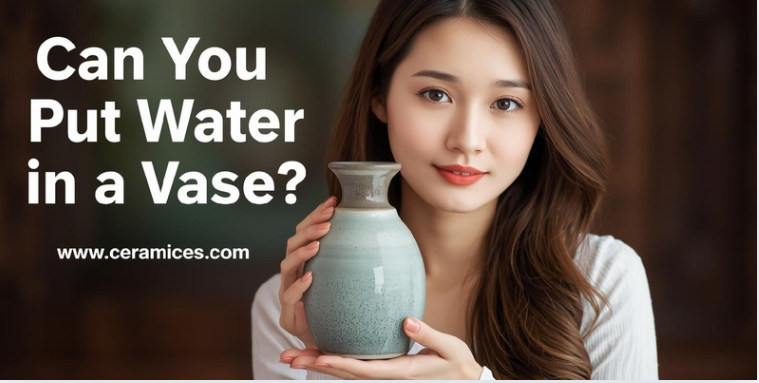
If you’re unsure whether your vase is suitable for water, try these simple checks:
- Examine the interior
- Smooth, glossy, and shiny = likely glazed and water-safe
- Rough, matte, or chalky = may be porous and unsuitable for water
- Look for labels or markings
- “Waterproof,” “Safe for fresh flowers,” or “Functional” indicate water safety
- “Decorative only” or “Dry use” means it should remain empty
- Do a water test
- Place the vase on a paper towel
- Fill halfway with water and leave for 24 hours
- Check for leaks or damp spots underneath
Temperature Considerations for Ceramic Vases
Even water-safe ceramic vases can be sensitive to sudden temperature changes. Pouring very hot or very cold water into a vase that has been sitting in the sun or a cold room can cause thermal shock, leading to cracks or breakage.
Tips:
- Use water at room temperature when possible
- Avoid rapid temperature fluctuations
- Keep away from heaters or direct sunlight for extended periods
Using Ceramic Vases for Fresh Flowers
When using ceramic vases for fresh flowers, consider these factors:
- Water capacity: Ensure the vase is tall or wide enough for stems without tipping
- Stability: Heavier bases reduce the risk of tipping
- Interior smoothness: Smooth glaze prevents water stains and makes cleaning easier
- Cleaning routine: Change water every 2–3 days to prevent bacterial growth
Sealing Unglazed Ceramic Vases
Some decorative ceramic vases can be made water-safe using sealants:
Sealing Options
- Food-safe epoxy or resin
- Clear ceramic sealants
- Liquid waterproof coatings
Note: Sealing may slightly alter the interior appearance and may not be permanent. Always follow the product instructions for the best results.
Antique or Vintage Ceramic Vases
Older ceramic vases need extra caution. Even if glazed, aging can cause micro-cracks in the glaze, making the vase leaky.
Tips for Antique Vases:
- Use a glass liner inside the vase to hold water
- Avoid putting water directly into fragile or highly decorative pieces
- Handle with care and avoid rapid temperature changes
Outdoor Use of Ceramic Vases
If you plan to use a ceramic vase outdoors:
- Only frost-resistant ceramics should be filled with water
- Avoid leaving water inside during freezing temperatures
- Elevate the vase slightly to prevent moisture accumulation underneath
- Clean periodically to prevent algae or dirt buildup
Furniture Protection and Safety
Even water-safe ceramic vases can damage furniture if condensation forms or minor leaks occur.
Preventative Tips:
- Use felt pads, cork coasters, or trays underneath the vase
- Wipe down the exterior regularly
- Avoid placing directly on wood or delicate surfaces without protection
Decorative Alternatives for Non-Water-Safe Vases
If your vase is not water-safe, there are plenty of ways to use it creatively:
- Dried flowers
- Artificial flowers or branches
- Pampas grass or wheat stalks
- LED fairy lights
- Seasonal decor arrangements
These methods preserve the beauty of the vase without risk of leaks or water damage.
Ceramic vs. Glass Vases
Both have pros and cons for holding water:
Ceramic:
- Insulates water and protects stems from temperature fluctuations
- Adds an artistic and decorative element
- Opaque, so water levels aren’t visible
Glass:
- Always waterproof
- Easy to see water levels and clean
- Lightweight and versatile
- Less decorative by itself, but complements modern and minimalist decor
Choosing between ceramic and glass depends on your aesthetic preferences and functional needs.
Common Myths About Ceramic Vases
Myth 1: All ceramic vases can hold water
False. Many vases are decorative only. Always check glaze and labeling.
Myth 2: Heavy ceramic means water-safe
False. Weight doesn’t guarantee glaze coverage or waterproofing.
Myth 3: Exterior glaze is enough
False. Only interior glazing prevents water seepage and protects furniture.
Why Ceramic Vases Remain Popular
Despite questions about water safety, ceramic vases remain a top choice for interior design:
- Timeless aesthetic appeal
- Durable and long-lasting with proper care
- Wide variety of colors, shapes, and textures
- Functional when used correctly with water or alternative displays
Maintaining a Water-Safe Ceramic Vase
Even water-safe vases require regular maintenance to keep them in good condition:
- Change water frequently when holding fresh flowers
- Rinse the vase to prevent residue and odors
- Avoid abrasive cleaning tools that could scratch the glaze
- Store carefully when not in use to prevent chips or cracks
Conclusion Preview (Coming Next)
With proper selection, preparation, and care, many ceramic vases can hold water safely while maintaining their aesthetic charm and functionality. Understanding the material, glaze, and intended use is key to enjoying your vase without worry.
This article covers:
- Ceramic types and their water-holding properties
- The importance of glaze and sealing
- Handmade vs. mass-produced vases
- Temperature and furniture considerations
- Creative alternatives for decorative-only vases
Frequently Asked Questions About Putting Water in a Ceramic Vase
Can you put water in a ceramic vase?
Yes, you can put water in a ceramic vase if it is water-safe. Vases with a fully glazed interior, especially stoneware or porcelain, are designed to hold water. Unglazed or decorative-only vases may leak or absorb water and are better suited for dried or artificial arrangements.
How can I tell if a ceramic vase is water-safe?
Check the interior: smooth, glossy, and uniform glaze usually means it’s water-safe. You can also look for labels such as “waterproof,” “safe for fresh flowers,” or “functional.” If in doubt, perform a simple water test by filling the vase halfway and checking for leaks after 24 hours.
Why does my ceramic vase sweat or leak?
Sweating happens when water slowly migrates through porous ceramic, usually in unglazed or partially glazed vases. Leaks can also occur due to micro-cracks or hairline fractures in older or handmade vases.
Are handmade ceramic vases safe for water?
Some handmade vases are fully functional and water-tight, while others are purely decorative. Glaze coverage, firing quality, and clay type affect water safety. Always ask the artist or seller before using water.
Can I seal an unglazed ceramic vase to hold water?
Yes. Food-safe epoxy, resin, or liquid ceramic sealers can make unglazed vases water-resistant. Keep in mind that sealing may alter the vase’s interior appearance and durability varies by product.
Is it safe to put water in antique ceramic vases?
Older vases may have worn or cracked glazes. For safety, use a glass liner inside antique vases to hold water, which protects both the vase and your furniture.
Can ceramic vases crack when filled with water?
Ceramic vases can crack from thermal shock, which happens when very hot or very cold water is added suddenly. Always use water at room temperature and avoid rapid temperature changes.
Can ceramic vases be used outdoors with water?
Some frost-resistant stoneware or porcelain vases are suitable for outdoor use, but avoid leaving water inside during freezing temperatures to prevent cracking.
Do ceramic vases require maintenance if used with water?
Yes. Regular cleaning, water changes, and wiping down the exterior prevent mold, residue, and water stains, keeping both the vase and flowers fresh and the furniture safe.
Conclusion: Is It Safe to Put Water in a Ceramic Vase?
So, can you put water in a ceramic vase? The answer depends on the vase’s material, glaze, and intended use. Fully glazed stoneware and porcelain vases are generally water-safe, while decorative or unglazed vases are better left for dried flowers or other arrangements.
By checking glaze coverage, performing simple water tests, and following basic care tips—like avoiding thermal shock and protecting furniture—you can safely enjoy fresh flowers in ceramic vases without worry. With proper selection and maintenance, ceramic vases combine timeless beauty with practical functionality, making them a versatile choice for home décor, gifts, and creative floral arrangements.
