
Ceramic tiles are often admired for their color, craftsmanship, and cultural significance. Many people collect decorative tiles, hand-painted pieces, or vintage designs that deserve to be appreciated rather than hidden away in storage. Learning how to display ceramic tiles allows you to transform these small works of art into beautiful design features within your home.
Ceramic tiles can be displayed in many creative ways, from simple stands and wall arrangements to custom furniture designs and framed art. Whether you own a single decorative tile or a large collection, thoughtful display techniques can highlight their patterns, colors, and textures while enhancing your interior decor.
This guide explores practical and artistic ways to display ceramic tiles, including wall arrangements, shelving ideas, framing methods, and unique decorative installations.
Why Displaying Ceramic Tiles Enhances Home Decor
Ceramic tiles have been used for centuries in architecture and decorative arts. They often feature intricate patterns, cultural motifs, and vibrant glazes that make them visually striking.
Displaying ceramic tiles offers several benefits:
Showcases craftsmanship
Handmade or hand-painted tiles are miniature works of art that deserve visibility.
Adds character to interiors
Decorative tiles introduce color, pattern, and texture to walls and furniture.
Preserves sentimental pieces
Many tiles are souvenirs, gifts, or heirlooms with personal meaning.
Creates unique design features
Tiles can be displayed individually or grouped to create focal points in a room.
Because ceramic tiles are durable and visually rich, they can elevate the style of both traditional and modern spaces.
Choosing the Best Location to Display Ceramic Tiles
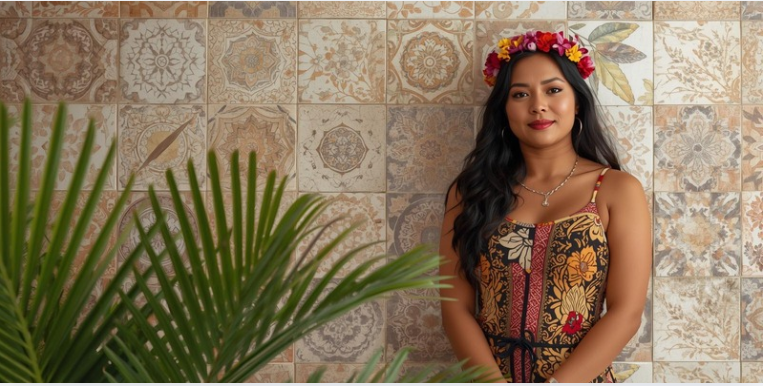
Before selecting a display method, consider where the tiles will look most attractive and appropriate in your home.
Living Rooms
Living rooms provide excellent space for displaying decorative tiles. Wall arrangements, framed tiles, or tabletop displays can serve as conversation pieces.
Kitchens
Kitchens are naturally suited for ceramic decor. Tiles can be incorporated into backsplash designs, displayed on shelves, or mounted as decorative wall accents.
Entryways
Entryways are perfect for showcasing small tile collections. A few carefully arranged pieces can create a welcoming visual impression for guests.
Hallways
Hallways often have empty wall space that works well for vertical tile displays or gallery arrangements.
Outdoor Spaces
Some ceramic tiles are designed for outdoor use. Patio walls, garden features, and exterior decorative panels can beautifully highlight weather-resistant tiles.
Selecting the right location helps ensure your tile display becomes a natural part of your home’s design.
Displaying Ceramic Tiles on Wall Stands
One of the simplest ways to display ceramic tiles is by using decorative stands.
Benefits of Tile Stands
Tile stands are popular because they:
- Require no installation
- Protect tiles from damage
- Allow flexible placement
- Highlight individual pieces
They are especially useful for valuable or fragile tiles.
Types of Tile Stands
Common stand options include:
Metal display stands
These are sturdy and often feature elegant scrollwork designs.
Wooden stands
Wood stands provide a warm, classic appearance.
Adjustable stands
These allow different tile sizes to be displayed securely.
Tile stands work well on shelves, mantels, desks, or coffee tables.
Framing Ceramic Tiles as Artwork
Framing transforms ceramic tiles into wall art.
Why Framing Works Well
Frames provide several advantages:
- Protect tiles from dust and damage
- Make tiles easier to hang
- Create a finished, gallery-style appearance
Framing also allows tiles to match existing wall decor.
Frame Styles for Ceramic Tiles
Different frame types create different visual effects.
Traditional wood frames
Ideal for vintage or antique tiles.
Modern floating frames
Perfect for contemporary interiors.
Shadow box frames
Allow deeper tiles or textured designs to stand out.
Using neutral frames often helps the tile design remain the focal point.
Creating a Ceramic Tile Gallery Wall
A gallery wall is an excellent option for displaying multiple tiles.
Planning a Tile Gallery Wall
Before hanging tiles, plan the layout carefully.
Steps include:
- Lay out tiles on a table or floor.
- Experiment with spacing and arrangement.
- Take a photo of the final layout as a guide.
This helps ensure balanced spacing and visual harmony.
Popular Gallery Arrangements
Several layouts work well with ceramic tiles.
Grid layout
Tiles are arranged in evenly spaced rows and columns.
Symmetrical layout
Tiles mirror each other on both sides.
Eclectic layout
Tiles vary in size and spacing for a more artistic look.
A gallery wall works particularly well in living rooms, dining rooms, or hallways.
Mounting Ceramic Tiles Directly on Walls
Some tiles can be mounted directly onto walls as permanent decorations.
Adhesive Mounting
Strong tile adhesives can attach tiles securely to walls.
Common adhesives include:
- Construction adhesive
- Tile adhesive
- Heavy-duty mounting glue
This method works best for larger decorative tiles that are intended to remain permanently in place.
Tile Mounting Hardware
Another option is specialized tile mounting hardware.
These systems typically include:
- Hanging brackets
- Tile clips
- Adhesive hanging plates
Mounting hardware allows tiles to hang like picture frames without permanent adhesives.
Displaying Ceramic Tiles on Shelves
Shelves provide flexible display options for ceramic tiles.
Open Shelf Displays
Placing tiles upright against the wall on open shelves creates a casual, layered look.
This works well when combining tiles with other decorative objects such as:
- Books
- Small sculptures
- Plants
- Picture frames
Floating Shelves
Floating shelves create a clean, modern display that highlights ceramic tiles without clutter.
Arranging tiles in groups of two or three often creates the most visually appealing display.
Using Plate Hangers for Ceramic Tiles
Plate hangers are another simple solution for wall display.
How Plate Hangers Work
Plate hangers use adjustable wires or clips that grip the edges of the tile.
They allow tiles to be hung securely on wall hooks.
Advantages of Plate Hangers
Plate hangers offer several benefits:
- Easy installation
- No permanent tile modification
- Affordable display solution
- Suitable for different tile sizes
This method works well for decorative tiles that resemble plates or square artwork.
Displaying Ceramic Tiles on Furniture
Ceramic tiles can also be integrated into furniture displays.
Tile Coffee Tables
Some people install decorative tiles directly into coffee table surfaces.
This creates a durable and visually striking tabletop design.
Tile Trays
Decorative trays with tile inserts can showcase tiles while serving functional purposes.
Tile Cabinet Displays
Glass-front cabinets can protect and highlight ceramic tile collections.
This method is especially useful for rare or valuable tiles.
Creating a Decorative Tile Mosaic
If you have many tiles, creating a mosaic can be a stunning display solution.
What Is a Tile Mosaic?
A mosaic is a design made from multiple tiles arranged into a pattern or image.
Mosaics can be:
- Abstract patterns
- Geometric designs
- Artistic scenes
- Cultural motifs
Where to Install Tile Mosaics
Tile mosaics work well in areas such as:
- Kitchen backsplashes
- Garden walls
- Fireplace surrounds
- Patio tables
Mosaics turn collections of tiles into a unified piece of art.
Displaying Vintage and Collectible Ceramic Tiles
Collectors often own antique or historically significant tiles.
Protecting Valuable Tiles
When displaying collectible tiles, it is important to protect them from damage.
Helpful tips include:
- Avoid direct sunlight
- Maintain stable room temperature
- Use protective frames or mounts
- Keep tiles away from moisture
Displaying Historical Tile Collections
Antique tiles often look best when arranged by theme, such as:
- Country of origin
- Historical period
- Color palette
- Artistic style
This approach creates a museum-like display that highlights their historical value.
Seasonal Ceramic Tile Displays
Ceramic tiles can also be rotated throughout the year to match seasonal decor.
Holiday Tiles
Many decorative tiles feature seasonal imagery such as:
- Christmas scenes
- Autumn leaves
- Spring flowers
- Winter landscapes
Displaying seasonal tiles adds festive charm to home interiors.
Rotating Display Collections
Some collectors rotate tile displays throughout the year to showcase different pieces.
This keeps home decor fresh and prevents displays from becoming visually repetitive.
Lighting Ideas for Ceramic Tile Displays
Proper lighting enhances the beauty of ceramic tiles.
Accent Lighting
Accent lights can highlight special tiles or collections.
Options include:
- LED spotlights
- Picture lights
- Wall sconces
These lights draw attention to colors and glaze textures.
Shelf Lighting
LED strip lights installed under shelves illuminate tile displays beautifully.
Soft lighting helps enhance intricate patterns and glossy finishes.
Creative DIY Ceramic Tile Display Ideas
For people who enjoy crafts and home projects, DIY display ideas can make tile displays even more unique.
Tile Display Boards
Mount tiles on decorative wooden boards for a rustic display.
Hanging Tile Panels
Tiles can be arranged on vertical panels using hooks or brackets.
Decorative Tile Ladders
Leaning ladders can display tiles on different rungs for a stylish and modern look.
DIY displays allow for customization based on the tile style and home decor.
Matching Tile Displays with Interior Design Styles
Choosing a display style that matches your home decor helps tiles blend naturally into the space.
Traditional Interiors
Classic wood frames and symmetrical arrangements work well with traditional decor.
Modern Interiors
Minimal frames, floating shelves, and geometric layouts suit modern homes.
Rustic Interiors
Wooden shelves and handmade stands complement rustic or farmhouse styles.
Mediterranean and Spanish Styles
Colorful tiles displayed in clusters or mosaics enhance Mediterranean-inspired interiors.
Matching tile displays to interior styles ensures a cohesive design.
Maintaining and Cleaning Displayed Ceramic Tiles
Displayed tiles require occasional care to maintain their appearance.
Dusting Tiles
Use a soft cloth or feather duster to remove dust regularly.
Gentle Cleaning
For deeper cleaning, wipe tiles with a slightly damp cloth.
Avoid Harsh Chemicals
Strong cleaning products can damage decorative glazes or finishes.
Proper maintenance helps preserve both the beauty and longevity of ceramic tiles.
Frequently Asked Questions About How to Display Ceramic Tiles
What is the easiest way to display ceramic tiles at home?
One of the easiest ways to display ceramic tiles is by using decorative tile stands or plate stands. These stands hold tiles upright and require no installation or permanent mounting. You can place them on shelves, coffee tables, mantels, or display cabinets.
This method is especially useful if you like to rearrange your decor or rotate different tiles throughout the year.
Can ceramic tiles be hung on the wall like artwork?
Yes, ceramic tiles can be hung on walls using several methods. Common options include:
- Adhesive tile hangers
- Plate hangers
- Mounting brackets
- Framing the tile in a picture frame
These methods allow ceramic tiles to be displayed similarly to framed artwork. Wall displays are particularly effective for showcasing decorative tiles as focal points in living rooms, hallways, or kitchens.
How do you protect ceramic tiles when displaying them?
Protecting ceramic tiles helps maintain their beauty and prevents accidental damage. Some helpful tips include:
- Avoid placing tiles in direct sunlight for long periods
- Use padded stands or secure mounting hardware
- Keep tiles away from areas with high humidity
- Frame valuable or antique tiles for extra protection
Regular dusting with a soft cloth also helps keep displayed tiles looking clean and vibrant.
Are ceramic tiles suitable for outdoor display?
Many ceramic tiles are durable enough for outdoor display, but it depends on the tile type and finish. Glazed ceramic tiles often perform well in patios, garden walls, and outdoor decorative panels.
However, extreme weather conditions may cause fading or cracking over time. If you plan to display tiles outdoors, choose tiles specifically designed for exterior use or place them in protected areas like covered patios.
How do you create a gallery wall using ceramic tiles?
Creating a ceramic tile gallery wall involves arranging multiple tiles into a visually balanced display. Start by laying out the tiles on the floor or a table to test different arrangements. Once you find a layout you like, mark the placement on the wall and install mounting hardware or frames.
Popular layouts include:
- Symmetrical grid patterns
- Horizontal rows
- Mixed artistic arrangements
Spacing the tiles evenly helps create a polished and professional appearance.
Can ceramic tiles be displayed without drilling holes in the wall?
Yes, several display methods allow ceramic tiles to be shown without drilling into walls. These include:
- Decorative stands
- Plate hangers with adhesive hooks
- Floating shelves
- Display cabinets
These options are ideal for renters or anyone who prefers flexible, non-permanent decor solutions.
What size ceramic tiles work best for display?
Almost any tile size can be displayed effectively, but larger decorative tiles often stand out more as individual pieces. Smaller tiles look best when arranged in groups or patterns.
For example:
- Small tiles work well in gallery walls or mosaics
- Medium tiles look great on shelves or stands
- Large tiles can function as statement wall art
Choosing the right display style helps highlight the size and detail of the tile.
How do you combine ceramic tiles with other home decor items?
Ceramic tiles pair beautifully with many decorative elements. When displaying tiles on shelves or tables, you can combine them with items such as:
- Books
- Plants
- Picture frames
- Candles
- Sculptures
Mixing textures and heights creates visual interest while keeping the tile design as the focal point.
Conclusion
Learning how to display ceramic tiles allows you to turn decorative pieces into striking design elements within your home. Whether you prefer simple display stands, framed wall art, gallery walls, or creative furniture installations, there are many ways to showcase ceramic tiles while enhancing your interior decor.
Thoughtful placement, proper lighting, and careful arrangement can highlight the colors, patterns, and craftsmanship that make ceramic tiles unique. From single statement pieces to large collections arranged in mosaics or gallery walls, ceramic tiles bring personality and artistic charm to any living space.
With the right display approach, ceramic tiles become more than decorative objects. They become meaningful design features that celebrate craftsmanship, culture, and creativity while adding lasting beauty to your home.
