
Ceramic and porcelain are closely related, but they are not exactly the same. This is one of the most common points of confusion when shopping for tile, dishes, cookware, sinks, toilets, or decorative home items. Many people use the words as if they mean the same thing, and in a broad sense that is understandable. Porcelain is actually a type of ceramic. But in everyday buying decisions, ceramic and porcelain are usually treated as separate categories because they differ in density, porosity, strength, and typical use.
That is why the best answer to “is ceramic and porcelain same” is this: porcelain is a kind of ceramic, but not all ceramic is porcelain. Porcelain is generally made from more refined clay and fired at higher temperatures, which usually makes it denser, smoother, less porous, and more durable than standard ceramic.
This guide explains the difference in a clear and practical way. You will learn what ceramic and porcelain really are, how they compare, where each one is commonly used, and which one may be the better choice depending on what you are buying.
Short Answer
No, ceramic and porcelain are not exactly the same. Porcelain is a type of ceramic, but it is usually denser, less porous, and more refined than standard ceramic because it is made from finer materials and fired at higher temperatures.
What Ceramic Means
Ceramic is a broad category. It refers to materials made from clay or clay-like minerals that are shaped and then hardened by heat in a kiln.
That includes many different products, such as:
- ceramic tile
- mugs and bowls
- pottery
- decorative figurines
- bakeware
- sinks
- toilets
- porcelain dishes
- porcelain tile
So the word ceramic is the bigger umbrella term. Many different clay-based fired materials fall under it.
This is why the question can get confusing. If porcelain is made from clay and fired in a kiln, then yes, it is ceramic. But in shopping and product labeling, porcelain is often separated because it performs differently from what people usually mean when they say “regular ceramic.”
What Porcelain Means
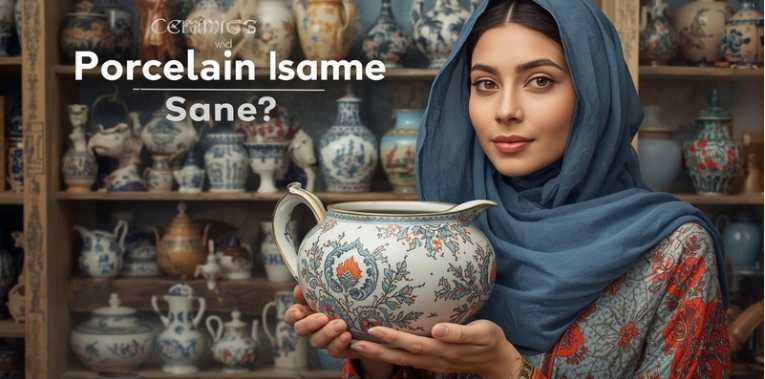
Porcelain is a more specific kind of ceramic. It is usually made from more refined clay materials and fired at a higher temperature than standard ceramic.
That process usually gives porcelain these qualities:
- denser body
- smoother texture
- less porosity
- stronger water resistance
- finer appearance
- often a more polished or refined finish
Because of that, porcelain is often used where strength, density, and lower water absorption matter more.
Common porcelain products include:
- porcelain floor tile
- porcelain dishes
- porcelain toilets
- porcelain sinks
- decorative porcelain items
- porcelain cups and plates
So porcelain is not something separate from ceramic. It is a more specialized type within the ceramic family.
The Simple Answer: Porcelain Is Ceramic, but Ceramic Is Not Always Porcelain
This is the easiest way to remember it.
True statement 1
All porcelain is ceramic.
True statement 2
Not all ceramic is porcelain.
That is the core difference.
If you keep that one idea in mind, the whole topic becomes much easier to understand.
Why People Think They Are the Same
People often think ceramic and porcelain are the same for a few simple reasons.
They often look similar
A glazed ceramic plate and a porcelain plate can appear almost identical from the top.
They are both made from clay
Both are kiln-fired clay materials, so the difference is not always obvious.
The terms are used casually
In everyday speech, many people use “ceramic” as a general word for any clay-based fired item.
Product labeling can be inconsistent
Some products highlight porcelain clearly, while others just use the broader ceramic label.
So the confusion is very normal.
The Main Difference Between Ceramic and Porcelain
The biggest practical difference is usually density and porosity.
Porcelain
Porcelain is usually:
- denser
- harder
- less porous
- more water resistant
- more refined in body texture
Standard ceramic
Standard ceramic is usually:
- slightly more porous
- a bit less dense
- often easier to shape
- sometimes thicker or more rustic in feel
- often less refined than porcelain
This difference in density is what affects how the material performs in real-world use.
Is Porcelain Better Than Ceramic?
Not always. It depends on what you need.
Porcelain is often better if you want:
- lower water absorption
- stronger durability
- a finer or more refined look
- better performance in wet areas
- denser tile or tableware
Ceramic is often better if you want:
- a more affordable option
- a lighter or more casual feel
- easier cutting in tile work
- decorative or low-demand household use
- a more handmade or rustic style
So the better material depends on the purpose, not just the name.
Ceramic vs Porcelain for Tile
This is one of the most common places people compare them.
Porcelain tile
Porcelain tile is usually:
- denser
- less porous
- stronger against moisture
- better for heavy-use areas
- often chosen for bathrooms, kitchens, and floors
Because it absorbs less water, porcelain tile is often considered the stronger option for:
- bathrooms
- outdoor areas in some cases
- busy floor areas
- moisture-prone rooms
Ceramic tile
Ceramic tile is often:
- less expensive
- easier to cut
- slightly less dense
- often used for walls and lighter-duty applications
Ceramic tile can still be a very good choice, especially for:
- backsplashes
- wall tile
- decorative areas
- lighter-use floors depending on the product
So in tile, porcelain is often seen as the more durable and water-resistant option, but ceramic can still be perfectly good depending on the space.
Ceramic vs Porcelain for Dishes
Ceramic and porcelain are both used for dishes, mugs, bowls, and plates.
Porcelain dishes
Porcelain tableware is often:
- smoother
- finer
- more elegant-looking
- denser
- less porous
It is often chosen for:
- finer dinnerware
- teacups
- formal table settings
- refined dishware styles
Ceramic dishes
Ceramic dishes are often:
- more casual
- slightly thicker
- more rustic in appearance
- popular for everyday use
- available in many handmade styles
Neither is automatically better for every kitchen. Porcelain often feels more refined, while ceramic often feels warmer, sturdier-looking, or more casual depending on design.
Ceramic vs Porcelain for Sinks and Toilets
Bathroom fixtures are another common area where people see both terms.
In many cases, sinks and toilets are made from vitreous china or porcelain-type ceramic materials because these are:
- durable
- easy to clean
- water resistant
- smooth and non-porous once finished
So in bathroom fixtures, the distinction often matters less to the buyer because the products are already designed for water use and sealed finishes. But technically, many of these products fall into the porcelain side of the ceramic family because of the denser fired body and finish.
Ceramic vs Porcelain for Cookware and Bakeware
This is another area where the terms can get blurry.
Ceramic bakeware
This often refers to:
- casseroles
- baking dishes
- pie dishes
- ramekins
- coated cookware
Porcelain bakeware
Porcelain is also used for:
- baking dishes
- ramekins
- oven-to-table serveware
- elegant baking and serving pieces
In cookware and bakeware, the difference often matters less than:
- whether the item is oven safe
- how thick it is
- whether it is designed for thermal use
- what the manufacturer says about safe temperature handling
So while porcelain and ceramic are not exactly the same, both can perform very well in kitchen use when made for that purpose.
How to Tell Ceramic From Porcelain
If you are trying to identify an item physically, a few signs can help.
Porcelain often looks:
- finer
- smoother
- denser
- more uniform
- less porous at the base or edge
Standard ceramic often looks:
- slightly rougher underneath
- more grainy at unglazed areas
- more earthy or rustic
- a little thicker or less refined
A practical place to check is the unglazed underside or a chipped edge. Porcelain usually looks tighter and more compact through the body, while standard ceramic often looks a bit more porous.
Is Porcelain Stronger Than Ceramic?
Usually, yes, but it depends on the specific item.
Because porcelain is generally denser and fired at higher temperatures, it is often:
- harder
- less porous
- more resistant to moisture
- stronger in many household applications
But that does not mean every porcelain item is impossible to chip. A thin porcelain plate may still break if dropped. A ceramic mug may still feel sturdier in the hand depending on design.
So in general:
- porcelain is often stronger as a material
- but product thickness and construction still matter a lot
Is Porcelain More Expensive Than Ceramic?
Often, yes.
Because porcelain is usually more refined, denser, and considered a premium option in many categories, it is often priced higher than standard ceramic.
This is especially common in:
- tile
- fine dinnerware
- bathroom fixtures
- decorative household items
But price still depends on:
- brand
- design
- finish
- size
- where the product is made
- overall quality level
So while porcelain is often more expensive, price alone is not enough to identify the material.
Is Ceramic More Porous Than Porcelain?
Yes, usually.
This is one of the clearest practical differences.
Standard ceramic
Often absorbs more water and is generally more porous than porcelain.
Porcelain
Usually absorbs less water and is more compact.
This matters most in products like:
- tile
- bathroom fixtures
- outdoor or damp-area materials
That lower porosity is one reason porcelain is often preferred in more demanding environments.
Which One Is Better for Daily Use?
That depends on the item and your lifestyle.
Porcelain may be better if you want:
- a more refined finish
- better moisture resistance
- stronger tile for demanding areas
- lighter, smoother, elegant dinnerware
Ceramic may be better if you want:
- lower price
- casual or rustic style
- decorative wall tile
- sturdy-feeling everyday dishes
- a more handmade look
There is no universal winner for every situation.
Common Myths About Ceramic and Porcelain
Myth 1: Ceramic and porcelain are totally different materials
Not exactly. Porcelain is a type of ceramic.
Myth 2: All white dishes are porcelain
No. Many standard ceramic dishes are also white.
Myth 3: Porcelain is always fragile
Not necessarily. Porcelain is often denser and stronger than standard ceramic.
Myth 4: Ceramic always means cheap
No. Ceramic can be high quality, beautiful, and durable depending on the product.
Myth 5: Porcelain is always better
Not always. It depends on what you need and what kind of item you are buying.
These myths are part of why so many people get confused when comparing the two.
Best Way to Choose Between Ceramic and Porcelain
The smartest approach is to choose based on the product type.
For tile
Choose porcelain if you want better water resistance and durability. Choose ceramic if you want a more affordable or easier-to-cut option for lighter use.
For dishes
Choose porcelain if you want finer, more elegant tableware. Choose ceramic if you want casual everyday pieces or rustic style.
For décor
Choose based on appearance and quality rather than assuming one is always better.
For kitchen and bathroom use
Look at how the product is meant to perform, not just the label.
This way, you buy based on function rather than getting stuck on the name alone.
Frequently Asked Questions
1. Is ceramic and porcelain the same thing?
No, not exactly. Porcelain is a type of ceramic, but ceramic and porcelain are not usually treated as the same category in everyday product use.
2. Which is better, ceramic or porcelain?
It depends on the product. Porcelain is usually denser and less porous, while ceramic is often more affordable and more casual in style.
3. Is porcelain made from ceramic?
Porcelain is not made from ceramic as a separate substance. It is itself a type of ceramic made from refined clay and fired at high temperatures.
4. Is porcelain stronger than ceramic?
Usually yes, porcelain is generally denser and less porous, which often makes it stronger in many applications.
5. Is porcelain tile better than ceramic tile?
Porcelain tile is often better for wet areas and heavier use, while ceramic tile can be a good lower-cost option for walls and lighter-duty spaces.
6. Are porcelain dishes the same as ceramic dishes?
No. Both are ceramic-based, but porcelain dishes are usually finer, denser, and more refined than standard ceramic dishes.
7. Is ceramic cheaper than porcelain?
Often yes. Ceramic products are usually less expensive than porcelain, though quality and brand still affect price.
8. Can ceramic and porcelain both be oven safe?
Yes, both can be oven safe if made for that purpose, but you should always check the manufacturer’s instructions.
9. Is all porcelain ceramic?
Yes. Porcelain is a type of ceramic.
10. Is all ceramic porcelain?
No. Most ceramic is not porcelain.
Conclusion
So, is ceramic and porcelain same? The best answer is no, but they are closely related. Porcelain is a type of ceramic, but it is generally denser, less porous, and more refined than what people usually mean by standard ceramic.
That difference matters because it affects how products perform in real life. Porcelain is often chosen for stronger, more water-resistant, and more refined uses, while ceramic is often chosen for affordability, style, and lighter everyday use.
If you remember one thing, make it this: all porcelain is ceramic, but not all ceramic is porcelain. Once you understand that, the rest becomes much easier.
