
Washing a car that has ceramic coating is easier than washing an uncoated car, but it still needs the right method. A lot of people hear “ceramic coating” and assume the car can be washed any way they want. That is not true. The coating helps repel dirt, water, and grime, but it does not make the paint immune to bad washing habits. If you use dirty tools, harsh chemicals, or rough automatic brushes, you can still damage the finish and reduce the coating’s performance over time.
The good news is that once you understand the correct routine, washing a ceramic-coated car is usually faster and safer than a regular wash. Dirt tends to release more easily, drying is simpler, and the finish usually stays glossier with less effort. The key is to use gentle products, reduce friction as much as possible, and keep the coating free from buildup that can clog its hydrophobic behavior.
This guide explains exactly how to wash a car that has ceramic coating the right way. You will learn what products to use, which wash method is safest, how to dry the car properly, and what mistakes to avoid if you want the coating to keep working at its best.
Short Answer
To wash a car that has ceramic coating, start with a pre-rinse or foam pre-wash, then use a pH-neutral car shampoo and a clean microfiber wash mitt for a gentle contact wash. Rinse thoroughly, dry with a clean microfiber drying towel or air blower, and avoid brush washes, harsh chemicals, and dirty wash tools that can mar the finish or weaken the coating’s performance.
Why a Ceramic-Coated Car Needs a Different Wash Method
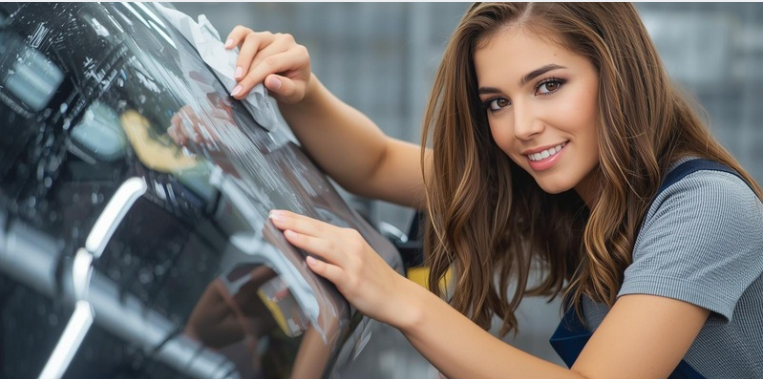
Ceramic coating changes how dirt and water behave on the paint. It creates a slicker, more chemically resistant surface than bare paint or ordinary wax, which means dirt does not bond as strongly. That makes washing easier. But the coating is still a surface layer, and it can still be affected by bad maintenance.
A ceramic-coated car needs a more careful wash method because you want to:
- reduce friction on the paint
- avoid adding swirl marks
- prevent water spotting
- keep the coating unclogged
- preserve slickness and gloss
- avoid stripping helpful maintenance products
The right wash process is really about protecting both the paint and the coating at the same time.
Can You Wash a Ceramic-Coated Car Normally?
You can wash it at home like any other car, but “normally” should mean properly, not carelessly.
If by normal washing you mean:
- using a dirty sponge
- washing in direct sun
- going through brush car washes
- using dish soap
- letting it air dry with hard water
then no, that is not the right way.
If by normal washing you mean:
- a careful rinse
- quality shampoo
- clean microfiber tools
- gentle contact wash
- proper drying
then yes, that is exactly how it should be washed.
A ceramic-coated car does not need complicated treatment. It just needs a safe, clean routine.
When Can You Wash a Car After Ceramic Coating Is Applied?
If the coating was just applied recently, timing matters.
Fresh ceramic coating needs time to cure. During that early cure period, the car should not be washed immediately unless the installer or coating instructions say it is safe. The first wash should only happen after the coating has had enough time to harden properly.
If something lands on the car during early curing, such as bird droppings or fresh contamination, remove it carefully using a gentle spot-cleaning method rather than rushing into a full wash too early.
Once the initial curing period has passed, regular maintenance washing becomes part of keeping the coating healthy.
How Often Should You Wash a Ceramic-Coated Car?
A ceramic-coated car still needs regular washing. The coating helps the car stay cleaner for longer, but dirt, road film, bugs, mineral deposits, and other contamination still build up over time.
Good general rule
Wash it often enough that grime does not sit on the surface too long.
Why regular washing matters
Even with ceramic coating, leaving contamination on the paint can lead to:
- water spots
- clogged hydrophobic behavior
- reduced gloss
- harder cleanup later
- possible staining from aggressive contaminants
Frequent gentle washing is better than letting the car get heavily dirty and then scrubbing it harder later.
What You Need to Wash a Ceramic-Coated Car
You do not need a huge detailing setup, but the right tools matter.
Basic supplies
- pH-neutral car shampoo
- wash mitt
- microfiber drying towel
- hose or pressure washer
- buckets with grit guards if using bucket wash
Helpful extras
- foam cannon or foam sprayer
- dedicated wheel tools
- drying aid
- air blower or car dryer
- soft detailing brushes
Most important tools
If you only focus on a few things, make them these:
- quality shampoo
- clean wash mitt
- clean drying towel
- a good pre-rinse
Good technique matters more than owning every possible accessory.
Use a pH-Neutral Shampoo
This is one of the most important parts of washing a ceramic-coated car.
A pH-neutral shampoo is gentle enough for routine use and helps clean the vehicle without unnecessarily interfering with the coating or any compatible maintenance products on top of it.
Why pH-neutral is best
It cleans effectively while keeping the wash routine gentle and predictable.
Avoid for regular washing
- dish soap
- strong degreasers
- harsh strip shampoos
- household cleaners
Those stronger products may have their place for occasional decontamination or problem cleanup, but they are not ideal for every wash.
The Best Wash Method for a Ceramic-Coated Car
The safest method is simple and consistent:
- pre-rinse the car
- apply foam or pre-wash
- rinse again if needed
- perform a gentle contact wash
- rinse thoroughly
- dry carefully
The goal is to remove as much dirt as possible before touching the paint with a wash mitt.
Step 1: Pre-Rinse the Car
Always start by rinsing the vehicle thoroughly.
Why this matters
A pre-rinse removes loose dirt, dust, and grit that could scratch the paint during the contact wash stage.
Focus especially on
- lower doors
- rocker panels
- bumpers
- behind wheels
- front end
- mirrors
- badges and trim edges
The better the pre-rinse, the less contamination remains to drag across the paint.
Step 2: Use a Foam Pre-Wash if Possible
Foam or a pre-wash stage is especially useful on a ceramic-coated car.
Why it helps
It softens and loosens dirt so more contamination can be rinsed away before you touch the paint.
How to use it
Apply foam evenly, let it dwell briefly, then rinse it away before it dries.
Main benefit
It reduces the amount of dirt left behind for the wash mitt to deal with.
A foam pre-wash is not mandatory, but it is one of the easiest ways to make the contact wash safer.
Step 3: Wash With a Clean Mitt and Light Pressure
After rinsing off as much dirt as possible, move to the contact wash.
Best tool
A clean microfiber or wool wash mitt is much better than a rough sponge or brush.
Best technique
Wash one section at a time with light pressure. Let the shampoo and coating help the dirt release instead of scrubbing hard.
Wash from top to bottom
Start with the cleaner upper panels and leave the dirtiest lower sections for last.
Keep the mitt clean
Rinse the mitt often if using a bucket wash method. A dirty mitt is one of the fastest ways to add swirls to a ceramic-coated finish.
The coating helps reduce sticking, so you should not need aggressive pressure.
Step 4: Wash the Wheels Separately
Wheel dirt is much harsher than paint dirt. Brake dust and road grime should not be brought onto the paint with the same tools.
Use separate items for wheels
- wheel brush
- wheel mitt
- wheel towel
- separate bucket if possible
This prevents cross-contamination and keeps the paint wash stage safer.
Even on a coated car, wheel grime is something you want to keep away from your paint tools.
Step 5: Rinse Thoroughly
Once the contact wash is complete, rinse the vehicle well.
Why this matters
Leftover shampoo can dry on the surface and leave residue or reduce the clean, glossy finish you are trying to preserve.
A ceramic-coated surface usually sheds water well, which makes this stage easier than on an uncoated car.
Be sure to rinse around:
- mirrors
- trim
- emblems
- door handles
- panel gaps
Soap residue left behind can interfere with the final look.
Step 6: Dry the Car Properly
Drying is one of the most important stages of washing a ceramic-coated car.
Why drying matters
If water is left on the surface to evaporate, it can leave:
- water spots
- mineral deposits
- dull patches
- contamination that sits on top of the coating
Best drying tools
- clean microfiber drying towel
- air blower or car dryer
- ceramic-safe drying aid if you use one
Best drying method
Blot or glide the towel lightly instead of pressing hard. If using a blower, start with mirrors, trim, grilles, and badges where water hides.
Drying carefully is a big part of keeping the coating looking fresh.
Should You Use a Drying Aid?
A drying aid can be very useful on a ceramic-coated car.
Benefits of a drying aid
- reduces towel friction
- makes drying smoother
- adds slickness
- helps prevent light marring
- can support water behavior and gloss
Just make sure it is safe for ceramic-coated surfaces and not a heavy product that leaves unnecessary buildup.
A good drying aid can make regular maintenance washes easier and help the finish feel cleaner.
Can You Use a Foam Cannon on a Ceramic-Coated Car?
Yes, and it is actually a great tool for coated vehicles.
A foam cannon helps:
- loosen dirt before touching the paint
- reduce wash friction
- improve safety during maintenance
- make the process faster and easier
Ceramic-coated cars often respond very well to foam because dirt already releases more easily than on uncoated paint.
Can You Use a Pressure Washer?
Yes, a pressure washer is very helpful when used correctly.
Benefits
- stronger pre-rinse
- better dirt removal before contact
- easier foam use
- improved rinsing
Use it safely
Do not hold the nozzle too close to the paint, trim, emblems, or delicate areas. The goal is effective rinsing, not aggressive blasting.
A pressure washer is not required, but it is a useful tool for safer washing.
Can You Go Through an Automatic Car Wash?
Brush-style automatic washes are best avoided.
Why brush washes are bad
The brushes can:
- create swirl marks
- scratch the finish
- reduce gloss
- damage the coating’s appearance over time
Better option
If you absolutely need convenience, a touchless wash is safer than a brush wash, though repeated harsh chemicals from some touchless washes are not ideal for long-term maintenance.
A proper hand wash is still the best method.
How to Remove Bugs, Bird Droppings, and Stubborn Dirt
Ceramic coating helps with cleanup, but some contamination still needs special attention.
Best method
- soften the contamination first
- use a safe cleaner if needed
- wipe gently with a soft towel
- do not scrub dry contamination
This is especially important with:
- bird droppings
- bug remains
- tree sap
- sticky road film
Even with ceramic coating, those things should not be left sitting too long.
What to Avoid When Washing a Ceramic-Coated Car
This is just as important as the wash steps.
Avoid dish soap
It is not the right product for routine paint care.
Avoid rough sponges and brushes
These create unnecessary friction.
Avoid dirty wash tools
Contaminated mitts and towels can scratch the surface quickly.
Avoid washing in direct sunlight
Soap and water dry too fast, increasing spotting.
Avoid letting the car air dry completely
That often leads to mineral spotting.
Avoid aggressive scrubbing
The coating is meant to reduce the need for it.
Avoid brush automatic washes
They are one of the fastest ways to dull the finish.
The safest ceramic-coated wash is always a gentle one.
How to Keep the Coating Performing Well
Washing correctly is the main part of maintenance, but a few habits help even more.
Wash regularly
Do not let heavy grime sit on the surface too long.
Dry the car properly
This reduces water spots and mineral buildup.
Use ceramic-safe maintenance products if needed
A compatible topper or maintenance spray can help refresh slickness and water behavior.
Deal with contamination early
Bird droppings, bug remains, and water spotting are easier to remove sooner rather than later.
A coating usually performs best when it is kept clean, not when it is left to fend for itself.
What If the Coating Stops Beading Water?
That does not always mean the coating is gone.
Sometimes the surface is simply clogged with:
- road film
- mineral deposits
- soap residue
- contamination
A proper wash and safe decontamination may restore the water behavior. Many people think their coating has failed when the real problem is buildup sitting on top of it.
Frequently Asked Questions
1. What is the best way to wash a car that has ceramic coating?
The best way is a pre-rinse, foam or pre-wash, gentle contact wash with pH-neutral shampoo, thorough rinse, and careful drying with clean microfiber tools.
2. Can I use regular car soap on a ceramic-coated car?
Use a pH-neutral shampoo made for automotive washing. That is usually the safest choice for routine care.
3. Can I use dish soap on a ceramic-coated car?
It is not recommended for normal washing. A proper car shampoo is the better option.
4. Is a foam cannon good for ceramic coating?
Yes. It helps loosen dirt and reduce friction during the wash process.
5. Can I take a ceramic-coated car through an automatic car wash?
Brush-style washes are best avoided. They can create swirls and damage the finish. Hand washing is safer.
6. Do I need a special drying towel?
A soft, clean microfiber drying towel works very well and helps reduce the chance of scratching.
7. How often should I wash a ceramic-coated car?
Wash it regularly enough that dirt and contamination do not build up heavily on the surface.
8. Can I let a ceramic-coated car air dry?
It is better to dry it properly. Air drying often leads to water spots and mineral deposits.
9. Should I use a drying aid after washing?
A ceramic-safe drying aid can be helpful for reducing towel friction and adding slickness.
10. Why is my ceramic-coated car not beading like before?
The surface may be clogged with contamination or mineral buildup. A proper wash and safe decontamination may restore performance.
Conclusion
Learning how to wash a car that has ceramic coating really comes down to one principle: remove dirt with as little friction as possible. The coating already helps make the surface easier to clean, so your job is to support that advantage with a safe wash routine. A thorough pre-rinse, a gentle contact wash with pH-neutral shampoo, and careful drying will do more for the coating than any shortcut ever will.
The biggest mistakes are using rough tools, harsh cleaners, automatic brushes, and poor drying habits. Avoid those, keep your wash tools clean, and stay consistent with maintenance. That is what helps a ceramic-coated car stay glossy, slick, and easy to clean over time.
A coated car does not need harsh treatment. It needs a smarter wash routine.
