
Ceramic water bottles have quietly made a comeback in recent years, showing up in wellness communities, eco-friendly lifestyle brands, and even modern kitchen aesthetics. While stainless steel and plastic bottles still dominate the hydration market, ceramic bottles are carving out a niche for people who want something more natural-looking, taste-neutral, and environmentally conscious.
But the big question remains: are ceramic water bottles good?
The answer depends on how you define “good.” If your priorities include clean taste, chemical-free materials, aesthetic appeal, and sustainable living, ceramic bottles can be an excellent choice. On the other hand, if you need extreme durability for hiking, gym use, or travel-heavy lifestyles, ceramic may not always be the most practical option.
To understand their real value, it’s important to break down how ceramic bottles are made, how they perform in daily life, and how they compare to stainless steel, glass, and plastic alternatives.
What Exactly Is a Ceramic Water Bottle?
A ceramic water bottle is a drinking container made primarily from fired clay materials that have been hardened through high-temperature kiln processing. Unlike raw clay, modern ceramic bottles are usually coated with a food-safe glaze that makes them waterproof, non-porous, and safe for liquids.
Most ceramic bottles are made using materials such as:
- Porcelain-based clay
- Stoneware ceramic
- Earthenware (less common for bottles)
- Mineral-rich clays with protective glazing
After shaping, these materials are fired at temperatures ranging from 1,800°F to over 2,400°F, which transforms them into a rigid, durable structure.
The result is a bottle that is:
- Non-metallic
- Non-reactive
- Naturally insulating
- Chemically stable
Ceramic bottles often come in artisan-style designs, minimalist wellness aesthetics, or traditional handcrafted forms, making them popular in lifestyle-focused markets rather than high-performance sports categories.
Why Ceramic Water Bottles Are Gaining Popularity
The renewed interest in ceramic water bottles is not random. It reflects broader lifestyle trends.
1. Clean Drinking Experience
Many people believe water tastes “purer” in ceramic containers compared to plastic or even metal. Ceramic does not impart a metallic aftertaste or chemical residue, which makes it appealing for everyday hydration.
2. Wellness and Holistic Living Trends
Ceramic aligns well with:
- Ayurveda-inspired hydration practices
- Minimalist wellness lifestyles
- Eco-conscious consumption habits
In many cultures, clay and ceramic vessels have been used for centuries for storing water due to their perceived natural cooling and purifying properties.
3. Aesthetic Appeal
Ceramic bottles often look more like handcrafted decor than sports gear. This makes them popular for:
- Home use
- Office desks
- Yoga studios
- Wellness cafés
Their design-forward nature plays a big role in their appeal.
4. Plastic-Free Movement
As concerns about microplastics grow, ceramic offers a fully plastic-free drinking option (at least in the bottle body itself), making it attractive to environmentally conscious buyers.
How Ceramic Water Bottles Are Made
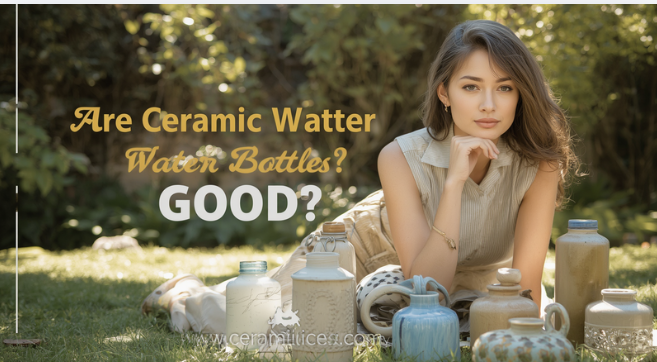
Understanding the manufacturing process helps explain both the strengths and limitations of ceramic bottles.
Step 1: Clay Selection and Shaping
Natural clay is refined and shaped into bottle molds using either:
- Hand-thrown pottery techniques
- Slip casting in molds
- Industrial pressing methods
Step 2: First Firing (Bisque Firing)
The shaped bottle is fired at a moderate temperature to remove moisture and harden the structure.
Step 3: Glazing
A food-safe glaze is applied to:
- Make the bottle waterproof
- Improve durability
- Enhance appearance
- Prevent bacterial absorption
Step 4: Final High-Temperature Firing
The bottle is fired again at extremely high temperatures, bonding the glaze permanently to the ceramic body.
The result is a hardened, sealed structure that can safely hold liquids.
The Biggest Advantage: Taste Purity
One of the strongest arguments in favor of ceramic water bottles is their neutral taste profile.
Unlike other materials:
- Plastic can absorb odors and leach chemicals over time
- Metal bottles can produce a slight metallic taste
- Poor-quality containers may alter water flavor
Ceramic is chemically inert once glazed, meaning it does not react with water or release substances into it.
This makes ceramic bottles especially appealing for:
- Drinking plain water
- Herbal infusions
- Cold beverages
- Stored water kept for long periods
For many users, the taste difference alone is enough to justify switching.
Are Ceramic Water Bottles Safe?
Safety is one of the most important considerations when evaluating ceramic bottles.
Non-Toxic Material Composition
High-quality ceramic bottles are:
- Lead-free (when properly certified)
- BPA-free
- Chemical-resistant
- Non-reactive
Food-Grade Glazing Matters
The safety of ceramic bottles heavily depends on the glaze used. Modern reputable manufacturers use:
- Food-safe ceramic glazes
- Lead-free enamel coatings
- Certified kiln processes
Low-quality or unregulated ceramic products may pose risks, which is why sourcing matters.
No Microplastic Risk
Unlike plastic bottles, ceramic does not degrade into microplastics over time.
This is a major health consideration for many consumers today.
Temperature Behavior: Natural Insulation Properties
Ceramic has moderate insulating properties, which affect how it handles temperature.
Keeps Water Cooler for Longer
Ceramic naturally slows heat transfer, helping water stay cooler compared to glass or thin plastic bottles.
Not as Strong as Insulated Steel
However, ceramic does not compete with vacuum-insulated stainless steel bottles in temperature retention.
Best Use Cases for Temperature
Ceramic works best for:
- Room-temperature water
- Slightly chilled water
- Indoor hydration use
It is not ideal for extreme hot or cold temperature retention needs.
Durability: Where Ceramic Bottles Shine and Where They Don’t
Durability is where ceramic bottles show both strengths and limitations.
Strengths
Ceramic bottles are:
- Resistant to corrosion
- Resistant to staining
- Resistant to odor absorption
- Stable over long-term storage
They do not degrade like plastic or rust like low-grade metals.
Weakness: Impact Sensitivity
The main limitation is brittleness.
Ceramic can:
- Crack if dropped on hard surfaces
- Chip if struck sharply
- Break under strong impact
This makes them less suitable for:
- Hiking
- Gym bags
- Travel-heavy routines
Instead, they perform best in controlled environments like homes or offices.
Weight and Portability Considerations
Ceramic bottles tend to be heavier than plastic and sometimes heavier than stainless steel depending on thickness.
Pros
- Feels sturdy and premium
- Stable on surfaces
- Less likely to tip over
Cons
- Not ideal for long hikes
- Not ideal for backpacks with heavy loads
- Less convenient for commuting lifestyles
Weight is a key factor when deciding if ceramic is right for your routine.
Environmental Impact of Ceramic Bottles
Ceramic bottles are often seen as eco-friendly, but the reality is nuanced.
Positive Environmental Aspects
- Long lifespan when handled carefully
- No plastic pollution
- Reusable for years
- Natural raw materials
Environmental Tradeoffs
- High-energy firing process
- Transportation fragility (breakage risk increases waste)
- Not as indestructible as metal alternatives
Overall, ceramic is considered more sustainable than plastic but not always as efficient as stainless steel in lifecycle durability.
Design and Aesthetic Appeal
Ceramic bottles stand out strongly in the design category.
Handmade Visual Identity
Many ceramic bottles feature:
- Hand-glazed finishes
- Unique textures
- Artistic imperfections
- Earthy tones
No two handcrafted bottles look exactly the same.
Minimalist Luxury Feel
Ceramic aligns well with modern design trends such as:
- Scandinavian minimalism
- Japanese wabi-sabi aesthetics
- Wellness-inspired interiors
Color Variety
Ceramic bottles come in:
- Matte white
- Deep navy
- Earth brown
- Sage green
- Pastel tones
- Glossy artisan finishes
This makes them popular as lifestyle accessories rather than just utility items.
Ceramic vs Stainless Steel Water Bottles
This is one of the most important comparisons.
Ceramic Advantages
- Better taste neutrality
- More aesthetic appeal
- No metallic aftertaste
- Natural material feel
Stainless Steel Advantages
- Superior durability
- Better insulation (vacuum sealed)
- Travel-friendly
- Impact resistant
Ceramic wins in sensory experience; steel wins in performance durability.
Ceramic vs Glass Bottles
Ceramic Advantages
- More durable than glass
- Less fragile under light impact
- Better insulation
Glass Advantages
- Pure taste
- Transparent visibility
- Easy cleaning
Ceramic sits between glass and metal in terms of durability and functionality.
Ceramic vs Plastic Bottles
Ceramic Advantages
- No chemical leaching
- No microplastics
- Better taste quality
- More sustainable image
Plastic Advantages
- Extremely lightweight
- Cheap
- Highly durable against drops
Ceramic is clearly superior in health perception and long-term environmental value.
Maintenance and Cleaning
Ceramic bottles are generally easy to maintain.
Benefits
- Do not retain odors
- Easy to rinse
- Resistant to staining
- Smooth interior surface
Cleaning Tips
- Use mild soap
- Avoid abrasive scrubbers
- Rinse thoroughly after flavored drinks
- Allow full drying to maintain hygiene
Proper care helps extend lifespan significantly.
Who Ceramic Water Bottles Are Best For
Ceramic bottles are especially good for:
- Home use
- Office environments
- Wellness routines
- Tea or infused water drinkers
- Eco-conscious lifestyle users
- Design-focused consumers
They are less suitable for:
- Outdoor adventurers
- Athletes needing rugged gear
- Heavy travel users
- People prone to dropping items
The Future of Ceramic Hydration Products
The ceramic bottle market is evolving as brands innovate in:
- Stronger ceramic composites
- Protective outer coatings
- Hybrid ceramic-metal designs
- Improved glazing technologies
- Lightweight ceramic engineering
As materials science improves, ceramic bottles may become more durable and versatile while maintaining their aesthetic and health-focused appeal.
The growing demand for plastic-free, design-forward hydration solutions suggests ceramic will continue expanding its niche in the wellness and lifestyle market.
Frequently Asked Questions
Are ceramic water bottles good for health?
Yes, ceramic water bottles are generally considered good for health when made with food-grade, lead-free glazes. They do not leach chemicals, contain BPA, or produce microplastics, making them a cleaner alternative to many plastic bottles.
Do ceramic water bottles break easily?
Ceramic water bottles are more fragile than stainless steel or plastic bottles. They can chip or break if dropped on hard surfaces. However, under normal careful use, they are durable enough for everyday indoor environments.
Can ceramic water bottles affect water quality?
No, ceramic does not react with water or alter its composition. High-quality ceramic bottles keep water tasting neutral and clean without adding metallic or plastic aftertastes.
Are ceramic water bottles good for travel?
Not really. Ceramic water bottles are best for home, office, or light daily use. They are not ideal for travel, hiking, or gym use because they can break under impact and are heavier than many alternatives.
How long do ceramic water bottles last?
With proper care, ceramic water bottles can last for many years. Their lifespan mainly depends on handling, since accidental drops or strong impacts can damage them even though the material itself does not degrade over time.
Do ceramic water bottles keep drinks cold?
Ceramic bottles offer mild insulation and can keep drinks slightly cooler than glass or plastic. However, they are not designed for long-term temperature retention like vacuum-insulated stainless steel bottles.
Are ceramic water bottles eco-friendly?
Yes, ceramic bottles are eco-friendly because they are reusable, long-lasting, and plastic-free. However, their production requires high-temperature firing, which has a higher energy cost compared to some materials.
Can ceramic bottles be used for hot beverages?
Yes, ceramic bottles can hold hot drinks safely, but they may become warm to the touch. They are generally better suited for room-temperature or cool beverages unless specifically designed for heat resistance.
Are ceramic water bottles better than plastic bottles?
Yes, ceramic bottles are better in terms of health safety, taste quality, and environmental impact. Unlike plastic, ceramic does not release chemicals or microplastics into water.
Are ceramic water bottles worth buying?
Ceramic water bottles are worth buying for people who value clean taste, aesthetic design, and chemical-free hydration. They are especially suitable for indoor and lifestyle use rather than rugged outdoor activity.
Conclusion
Ceramic water bottles offer a unique blend of health-conscious design, natural aesthetics, and clean drinking experience that makes them stand out in the modern hydration market. They excel in providing pure, neutral-tasting water without the risks associated with plastic or the metallic taste sometimes found in steel bottles.
Their appeal goes beyond function. Ceramic bottles are often chosen as lifestyle pieces, blending seamlessly into wellness routines, home décor, and mindful living practices. This makes them especially attractive for users who value both form and function in their everyday essentials.
At the same time, ceramic bottles are not designed for every situation. Their main limitation is fragility, which makes them less suitable for travel, outdoor sports, or environments where drops and impacts are common. They also do not offer the same insulation or rugged durability as stainless steel alternatives.
Overall, ceramic water bottles are best seen as a premium lifestyle hydration option. For home use, office settings, and wellness-focused routines, they deliver strong value through taste quality, safety, and design appeal. For more demanding physical use cases, other materials may be more practical, but ceramic remains a standout choice for those prioritizing purity, aesthetics, and a natural drinking experience.
