
When shopping for cookware, many consumers ask an important question: are copper and ceramic pans safe? With growing concerns about toxic chemicals, nonstick coatings, heavy metals, and food contamination, understanding cookware safety has become a priority for home cooks across the United States.
The good news is that both copper and ceramic pans can be safe when used correctly and purchased from reputable manufacturers. However, each material has unique advantages, limitations, and safety considerations that buyers should understand before making a purchase.
Copper cookware is famous for exceptional heat conductivity and professional-level cooking performance, while ceramic cookware has gained popularity as a nonstick alternative that avoids many traditional coating concerns. Despite their positive reputations, misconceptions about both materials continue to circulate online.
This comprehensive guide explores the safety of copper and ceramic pans, how they are manufactured, potential health concerns, cooking performance, maintenance requirements, and which option may be the better choice for your kitchen.
Understanding Copper Cookware
Copper cookware has been used for centuries and remains highly respected among professional chefs.
Pure copper offers unmatched heat conductivity, allowing cookware to respond quickly to temperature changes.
Common copper cookware includes:
- Frying pans
- Saucepans
- Stockpots
- Sauté pans
- Specialty cookware
However, modern copper cookware rarely consists entirely of exposed copper.
Most copper pans feature interior linings made from:
- Stainless steel
- Tin
- Nickel (less common today)
These linings play a critical role in cookware safety.
Understanding Ceramic Cookware
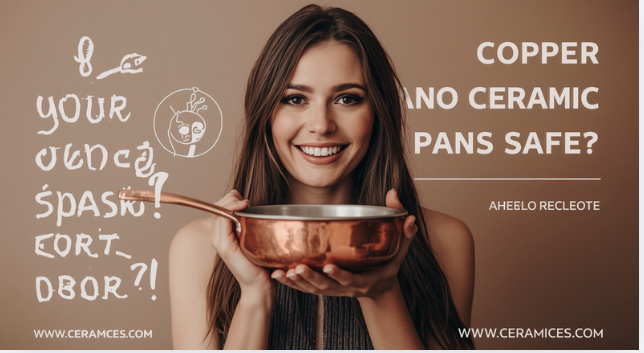
Ceramic cookware generally falls into two categories.
100% Ceramic Cookware
These pans are made entirely from natural clay-based materials that are kiln-fired at high temperatures.
Characteristics include:
- Natural composition
- No metal core
- High heat tolerance
- Chemical-free cooking surface
Although highly regarded for safety, fully ceramic cookware is less common and often more expensive.
Ceramic-Coated Cookware
Most products marketed as ceramic cookware actually belong to this category.
These pans consist of:
- Aluminum core
- Stainless steel core
- Metal base
Covered with:
- Sol-gel ceramic coating
The ceramic coating creates a smooth, nonstick cooking surface.
This type dominates today’s cookware market.
Are Copper Pans Safe?
In most situations, yes, copper pans are safe.
However, the answer depends on whether the cooking surface is lined or unlined.
Why Pure Copper Can Be Problematic
Copper is an essential mineral required by the human body in small amounts.
However, excessive copper consumption may cause health issues.
When acidic foods contact bare copper, a chemical reaction can occur.
Foods that may react include:
- Tomatoes
- Citrus fruits
- Vinegar-based sauces
- Wine reductions
The reaction can transfer excessive copper into food.
For this reason, modern copper cookware is typically lined.
Why Lined Copper Pans Are Safe
Most modern copper cookware contains a protective interior layer.
Popular lining materials include:
Stainless Steel
The most common modern choice.
Benefits include:
- Non-reactive surface
- High durability
- Easy maintenance
- Excellent food safety
Tin
Traditional copper cookware often uses tin linings.
Advantages include:
- Naturally nonstick properties
- Safe cooking surface
- Smooth food release
However, tin requires periodic re-tinning over time.
FDA and Modern Copper Cookware Safety
Reputable cookware manufacturers design copper cookware to meet modern food safety standards.
Properly lined copper pans are generally considered safe for:
- Daily cooking
- High-temperature cooking
- Acidic foods
- Long-term use
The key is ensuring that the protective lining remains intact.
Are Ceramic Pans Safe?
Ceramic pans are generally regarded as some of the safest cookware available today.
Their popularity stems largely from concerns about traditional nonstick coatings.
Most ceramic cookware is free from:
- PTFE
- PFOA
- PFAS compounds
These chemicals are often associated with older generations of nonstick cookware.
As a result, many consumers view ceramic as a safer alternative.
What Makes Ceramic Cookware Safe?
Several characteristics contribute to ceramic cookware’s safety profile.
Chemical-Free Cooking Surface
The ceramic coating creates a cooking surface that does not rely on fluoropolymer coatings.
This appeals to consumers seeking more natural cookware options.
Low Emission Risk
When used according to manufacturer recommendations, ceramic cookware typically does not release harmful fumes during cooking.
Non-Reactive Surface
Ceramic surfaces generally do not react with foods.
This makes them suitable for:
- Acidic sauces
- Tomato dishes
- Citrus recipes
- Wine-based cooking
Are Ceramic Pans Toxic?
Quality ceramic cookware is generally considered non-toxic.
However, not all products are manufactured equally.
Consumers should purchase cookware from reputable brands that comply with modern safety regulations.
High-quality ceramic cookware is often tested for:
- Lead content
- Cadmium content
- Heavy metal migration
Certified products are designed to meet strict safety standards.
Do Ceramic Pans Contain PFAS?
Most modern ceramic cookware is marketed as PFAS-free.
PFAS refers to a large family of synthetic chemicals used in various industrial applications.
Many consumers actively seek cookware free from:
- PFAS
- PFOA
- PTFE
Ceramic coatings are commonly chosen because they do not rely on these traditional fluoropolymer materials.
Comparing Copper and Ceramic Pan Safety
Both cookware types are generally safe when used correctly.
However, their safety profiles differ.
| Feature | Copper Pans | Ceramic Pans |
|---|---|---|
| Food Reactivity | Safe when lined | Non-reactive |
| Heavy Metal Concerns | Only with exposed copper | Very low |
| PFAS-Free Options | Not relevant | Commonly PFAS-free |
| High Heat Safety | Excellent | Very good |
| Chemical Exposure Risk | Low when lined | Very low |
| Maintenance Requirements | Moderate | Low |
Both materials can be excellent choices for health-conscious cooks.
Copper Pan Health Benefits
Copper cookware offers advantages beyond cooking performance.
Precise Temperature Control
Copper heats and cools rapidly.
This allows:
- Better cooking control
- Reduced burning
- Improved food quality
Energy Efficiency
Copper’s conductivity means less energy is required to achieve desired cooking temperatures.
Professional-Level Performance
Many chefs prefer copper because of its responsiveness.
Accurate temperature control can improve cooking outcomes.
Ceramic Pan Health Benefits
Ceramic cookware also provides significant advantages.
Reduced Oil Usage
The nonstick surface allows cooking with less butter or oil.
This may support healthier meal preparation.
Easy Food Release
Foods are less likely to stick.
Benefits include:
- Simpler cooking
- Easier cleanup
- Less food waste
Chemical-Free Appeal
Many consumers appreciate ceramic’s reputation as a more natural cooking surface.
Heat Safety: Copper vs Ceramic
Heat performance influences both cooking quality and safety.
Copper Heat Performance
Copper offers:
- Extremely fast heating
- Superior temperature responsiveness
- Even heat distribution
Professional kitchens often value these qualities.
Ceramic Heat Performance
Ceramic cookware provides:
- Even heating
- Good heat retention
- Stable cooking temperatures
While ceramic may not match copper’s responsiveness, it performs very well for everyday cooking.
Can Copper Pans Overheat?
Yes.
Copper conducts heat extremely efficiently.
Without careful monitoring, temperatures can rise rapidly.
Potential issues include:
- Burned food
- Damaged linings
- Discoloration
Fortunately, experienced cooks quickly adapt to copper’s responsiveness.
Can Ceramic Pans Overheat?
Ceramic cookware generally tolerates moderate to high cooking temperatures.
However, excessive overheating may shorten coating lifespan.
Manufacturers often recommend:
- Medium heat cooking
- Avoiding empty-pan heating
- Following care instructions
Proper use helps preserve performance.
Durability and Safety
Long-term safety often depends on cookware condition.
Copper Pan Durability
High-quality copper cookware can last decades.
Many premium copper pans remain functional for generations.
Proper maintenance is essential.
Ceramic Pan Durability
Ceramic cookware typically lasts several years under normal household use.
Lifespan depends on:
- Coating quality
- Cooking habits
- Cleaning practices
Eventually, ceramic coatings may lose some nonstick performance.
Safe Cooking Practices for Copper Pans
To maximize safety:
Choose Lined Cookware
Always select copper pans with:
- Stainless steel lining
- Tin lining
Avoid cooking acidic foods in unlined copper.
Inspect Interior Surfaces
Watch for:
- Worn linings
- Exposed copper
- Surface damage
Repair or replace cookware if necessary.
Avoid Abrasive Cleaning
Gentle cleaning helps preserve protective linings.
Safe Cooking Practices for Ceramic Pans
To extend lifespan and maintain safety:
Use Moderate Heat
Medium heat is usually sufficient.
Use Non-Metal Utensils
Recommended options include:
- Silicone
- Wood
- Nylon
These materials help protect the coating.
Avoid Sudden Temperature Changes
Thermal shock can damage cookware.
Allow pans to cool gradually before washing.
Common Myths About Copper Cookware
Myth: All Copper Pans Are Toxic
Reality:
Modern lined copper cookware is generally safe for everyday cooking.
Myth: Copper Always Leaches Into Food
Reality:
Properly lined cookware prevents direct food contact with copper.
Myth: Copper Is Only for Professional Chefs
Reality:
Many home cooks successfully use copper cookware every day.
Common Myths About Ceramic Cookware
Myth: Ceramic Cookware Is Made Entirely of Ceramic
Reality:
Most ceramic cookware is ceramic-coated metal.
Myth: Ceramic Lasts Forever
Reality:
Ceramic coatings eventually wear with use.
Myth: All Ceramic Pans Are Identical
Reality:
Coating quality varies significantly among manufacturers.
Which Is Safer for Everyday Cooking?
For most households, both cookware types are considered safe.
Copper may be the better choice if you prioritize:
- Precision cooking
- Temperature control
- Professional performance
Ceramic may be the better choice if you prioritize:
- Nonstick convenience
- Easy maintenance
- PFAS-free cooking surfaces
- Low-oil cooking
When purchased from reputable manufacturers and used according to care instructions, both copper and ceramic cookware provide safe and effective cooking solutions for modern kitchens.
Factors to Consider Before Buying
When choosing between copper and ceramic cookware, evaluate:
- Cooking style
- Budget
- Maintenance preferences
- Desired lifespan
- Nonstick requirements
- Heat control needs
- Cleaning habits
The safest cookware is ultimately the cookware that is properly manufactured, properly maintained, and used correctly throughout its lifespan. By understanding the strengths and limitations of both copper and ceramic pans, consumers can make informed decisions that support both cooking performance and long-term kitchen safety.
Here are the FAQ and Conclusion sections for your article:
Are copper pans safe for everyday cooking?
Yes, copper pans are safe for everyday cooking when they have a proper lining, such as stainless steel or tin. Modern lined copper cookware prevents food from coming into direct contact with copper while still providing excellent heat conductivity.
Is ceramic cookware safer than traditional nonstick cookware?
Many consumers consider ceramic cookware a safer alternative because most ceramic-coated pans are free from PFAS, PFOA, and PTFE chemicals commonly associated with traditional nonstick coatings. However, both types of cookware can be safe when used according to manufacturer guidelines.
Can copper leach into food?
Copper can leach into food if the cooking surface is made of bare, unlined copper, especially when preparing acidic foods like tomatoes, citrus, or vinegar-based dishes. Modern lined copper cookware is designed to prevent this issue.
Are ceramic pans toxic?
High-quality ceramic pans are generally considered non-toxic. Reputable manufacturers produce ceramic cookware that meets food-safety standards and is often tested for lead, cadmium, and other potentially harmful substances.
Do ceramic pans contain PFAS?
Most ceramic cookware is marketed as PFAS-free and does not rely on traditional fluoropolymer-based nonstick coatings. Always check product specifications to verify the manufacturer’s claims.
Which cookware is better for high-heat cooking: copper or ceramic?
Copper cookware typically performs better for high-heat cooking because of its exceptional heat conductivity and temperature control. Ceramic cookware can handle moderate to high temperatures but may experience faster coating wear if repeatedly exposed to excessive heat.
How long do ceramic pans last?
The lifespan of a ceramic pan depends on its quality and how it is used. Many ceramic-coated pans last between three and five years, while premium products may last longer with proper care and maintenance.
Do copper pans require special maintenance?
Yes. Copper cookware often requires occasional polishing to maintain its appearance. Additionally, owners should inspect the interior lining periodically to ensure it remains intact and safe for cooking.
Can metal utensils be used on ceramic pans?
It is generally recommended to use silicone, wooden, or nylon utensils with ceramic cookware. Metal utensils can scratch or wear down the ceramic coating over time.
Which is healthier: copper or ceramic cookware?
Both copper and ceramic cookware can be healthy choices when properly manufactured and maintained. Ceramic cookware appeals to consumers seeking a nonstick cooking surface with minimal chemical concerns, while lined copper cookware provides exceptional cooking performance with a safe food-contact surface.
Conclusion
So, are copper and ceramic pans safe? The answer is yes. Both copper and ceramic cookware can be excellent and safe choices for modern kitchens when purchased from reputable manufacturers and used according to recommended guidelines.
Copper cookware stands out for its unmatched heat conductivity, precise temperature control, and professional-level cooking performance. As long as the pan has a properly maintained lining, it provides a safe cooking environment while delivering outstanding results.
Ceramic cookware has earned a strong reputation among health-conscious consumers because of its nonstick convenience, easy maintenance, and availability of PFAS-free cooking surfaces. It offers a practical solution for everyday cooking while minimizing the need for excess oils and fats.
Ultimately, the best choice depends on your cooking style, budget, and personal preferences. If you value precise heat control and premium performance, copper cookware may be the ideal option. If you prioritize nonstick convenience, simple cleanup, and a modern chemical-conscious approach, ceramic cookware may be a better fit. Both materials have proven themselves as reliable, safe, and effective cookware options capable of serving home cooks for years when properly cared for.
