
If you have ever wondered “are crock pots ceramic?”, the short answer is yes—most traditional crock pots contain a ceramic insert, but not every slow cooker uses the exact same material. The removable inner pot found in many crock pots is typically made from ceramic or stoneware, while the outer housing contains the heating element and electrical components.
Understanding what your crock pot is made of matters because the material affects cooking performance, heat retention, durability, cleaning, and even food safety. Whether you are preparing chili, pulled pork, soups, stews, or casseroles, knowing how ceramic crock pots work can help you get better results from your slow cooker.
In this detailed guide, we’ll explore everything you need to know about crock pot materials, how ceramic inserts differ from other cooking surfaces, their benefits and drawbacks, safety considerations, and how to care for them properly.
What Is a Crock Pot?
A crock pot is a countertop cooking appliance designed to cook food slowly over several hours using low, steady heat.
The term “Crock-Pot” originally referred to a specific slow cooker brand, but many people now use it as a generic name for all slow cookers.
A typical crock pot consists of:
- An outer heating unit
- A removable cooking insert
- A glass lid
- Temperature controls
The removable insert is the component that actually holds the food. In most traditional designs, this insert is made from ceramic or stoneware.
Are Crock Pots Made of Ceramic?
Most crock pots use a ceramic-based insert, commonly called stoneware.
Stoneware is a type of ceramic that is fired at extremely high temperatures, creating a dense, durable material capable of withstanding long cooking sessions.
When people ask:
“Are crock pots ceramic?”
The answer is generally:
Yes, the cooking vessel inside most crock pots is made from ceramic stoneware.
However, not every slow cooker uses ceramic. Some modern models feature:
- Stainless steel inserts
- Aluminum inserts with ceramic coatings
- Multi-cooker pots made from metal
- Nonstick-coated inserts
The exact material depends on the manufacturer and model.
Ceramic vs Stoneware: What’s the Difference?
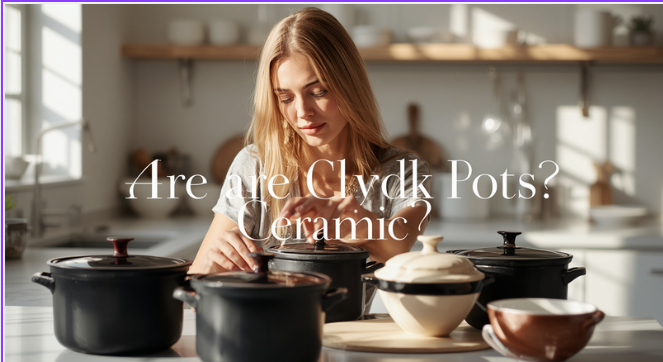
One reason for confusion is that manufacturers often describe crock pot inserts as “stoneware” rather than ceramic.
In reality, stoneware belongs to the ceramic family.
Ceramic
Ceramic refers to materials created by shaping clay and firing it at high temperatures.
Examples include:
- Porcelain
- Earthenware
- Stoneware
Stoneware
Stoneware is a specific type of ceramic known for:
- High density
- Strength
- Heat retention
- Resistance to moisture
Because stoneware performs exceptionally well during slow cooking, it has become the preferred material for traditional crock pots.
Why Do Crock Pots Use Ceramic Inserts?
Manufacturers choose ceramic stoneware because it offers several cooking advantages.
Excellent Heat Retention
Ceramic absorbs heat slowly and releases it gradually.
This creates:
- Consistent cooking temperatures
- Fewer hot spots
- More even cooking
These qualities are essential for slow-cooked meals that may cook for 6–12 hours.
Gentle Cooking Environment
Unlike metal cookware, ceramic doesn’t heat up instantly.
Instead, it provides a gentle cooking environment ideal for:
- Soups
- Stews
- Beans
- Roasts
- Braised meats
This slow heat transfer helps preserve moisture and tenderness.
Flavor Preservation
Ceramic is non-reactive.
That means acidic foods won’t react with the cooking surface.
Foods such as:
- Tomatoes
- Vinegar-based sauces
- Citrus marinades
can cook safely without altering flavor.
Better Moisture Retention
Slow cooking relies on trapping moisture.
Ceramic inserts help maintain humidity inside the pot, allowing foods to remain juicy and tender throughout lengthy cooking cycles.
How Ceramic Crock Pots Are Made
Understanding the manufacturing process helps explain why ceramic inserts perform so well.
The process typically includes:
Step 1: Clay Preparation
Natural clay and minerals are blended into a uniform mixture.
Step 2: Molding
The insert is shaped using molds.
Step 3: Drying
The shaped vessel is dried carefully to prevent cracking.
Step 4: High-Temperature Firing
The insert is fired in a kiln at temperatures often exceeding 2,000°F.
Step 5: Glazing
A protective glaze is applied.
Step 6: Second Firing
The glaze is permanently fused onto the surface.
The result is a strong, smooth, food-safe cooking vessel.
What Is the Glaze on Ceramic Crock Pots?
Most crock pot inserts have a glossy finish.
This finish comes from a ceramic glaze.
The glaze serves several purposes:
- Creates a smooth surface
- Makes cleaning easier
- Reduces porosity
- Improves stain resistance
- Protects the ceramic beneath
Quality manufacturers use food-safe glazes designed for cooking applications.
Are Ceramic Crock Pots Safe?
One of the most common concerns among consumers is safety.
Fortunately, ceramic crock pots are generally considered very safe when used properly.
Food Safety
Quality ceramic inserts are designed specifically for food preparation.
They are:
- Heat resistant
- Non-reactive
- Stable at cooking temperatures
They do not melt or release harmful substances during normal slow-cooking use.
Chemical Safety
Modern crock pots from reputable manufacturers typically comply with strict safety regulations regarding:
- Lead content
- Cadmium content
- Food-contact materials
Consumers concerned about chemical exposure should purchase products from trusted brands that clearly state compliance with food safety standards.
Temperature Safety
Ceramic crock pots are engineered to operate safely within the temperature range produced by slow cookers.
Typical slow cooker temperatures include:
| Setting | Approximate Temperature |
|---|---|
| Warm | 145°F–165°F |
| Low | 190°F–200°F |
| High | 275°F–300°F |
These temperatures are well within the capabilities of ceramic stoneware.
Advantages of Ceramic Crock Pots
Ceramic inserts remain popular for many reasons.
Superior Heat Distribution
Heat spreads gradually and evenly.
This reduces:
- Scorching
- Burning
- Uneven cooking
Long Heat Retention
Even after power is turned off, ceramic retains warmth longer than many metals.
This helps keep meals warm for serving.
Non-Reactive Surface
Acidic ingredients remain stable during cooking.
No metallic taste develops.
Attractive Appearance
Ceramic inserts often feature elegant finishes and attractive colors.
Many can go directly from kitchen to dining table.
Easy Cleaning
The glazed surface generally releases food residues easily.
Most cooked foods can be removed with:
- Warm water
- Mild soap
- Soft sponge
Disadvantages of Ceramic Crock Pots
Although ceramic offers many benefits, it is not perfect.
Heavy Weight
Ceramic inserts are significantly heavier than metal alternatives.
Large crock pots can be cumbersome to lift when full.
Fragility
Despite being durable during cooking, ceramic can crack if:
- Dropped
- Struck against hard surfaces
- Exposed to sudden temperature changes
Slow Heating
Ceramic heats gradually.
While beneficial for slow cooking, it may not suit recipes requiring rapid temperature changes.
Potential for Chipping
The glazed surface can chip if mishandled.
Damaged inserts should be inspected carefully before continued use.
Do All Slow Cookers Use Ceramic Inserts?
No.
Today’s market offers several alternative materials.
Ceramic Stoneware
Most traditional crock pots use this material.
Benefits:
- Excellent heat retention
- Even cooking
- Traditional slow-cooker performance
Stainless Steel Inserts
Some slow cookers use stainless steel pots.
Benefits:
- Lightweight
- Durable
- Less likely to crack
Drawbacks:
- Less heat retention
- Different cooking characteristics
Aluminum Inserts
Some modern multi-cookers use aluminum.
Benefits:
- Faster heating
- Lightweight
Drawbacks:
- Lower heat retention than ceramic
Ceramic-Coated Metal Inserts
These combine metal construction with ceramic-like nonstick surfaces.
Benefits:
- Easier handling
- Faster heating
Drawbacks:
- Coating may wear over time
Are Ceramic Crock Pots Better Than Stainless Steel?
The answer depends on your cooking style.
Ceramic Is Better For
- Long braises
- Soups
- Stews
- Pulled meats
- Slow simmering
Ceramic excels at maintaining stable temperatures.
Stainless Steel Is Better For
- Lightweight handling
- Durability
- Faster temperature changes
- Reduced risk of breakage
Many users still prefer ceramic because it provides the classic slow-cooking experience.
Can Ceramic Crock Pots Crack?
Yes.
Although ceramic stoneware is durable, it can crack under certain conditions.
Common causes include:
Thermal Shock
Rapid temperature changes can stress ceramic.
Examples include:
- Moving from refrigerator to hot cooker
- Placing a hot insert on a cold countertop
- Adding frozen ingredients to a hot insert
Physical Impact
Dropping or bumping the insert can cause:
- Chips
- Hairline cracks
- Complete breakage
Manufacturing Defects
Rare defects can eventually lead to cracking after repeated heating cycles.
How to Prevent Ceramic Crock Pot Cracks
Follow these best practices.
Avoid Sudden Temperature Changes
Allow refrigerated inserts to reach room temperature before heating.
Use Protective Surfaces
Place hot inserts on:
- Trivets
- Towels
- Heat-resistant pads
Handle Carefully
Support the insert with both hands.
Avoid knocking it against sinks or countertops.
Inspect Regularly
Check for:
- Hairline cracks
- Chips
- Surface damage
Replace damaged inserts if necessary.
Can You Put a Ceramic Crock Pot Insert in the Oven?
Many ceramic stoneware inserts are oven-safe, but this depends entirely on the manufacturer’s instructions.
Before placing an insert in the oven:
- Read the owner’s manual
- Verify oven-safe ratings
- Follow temperature limits
Never assume every ceramic insert is oven-safe.
Can Ceramic Crock Pot Inserts Go in the Refrigerator?
Most stoneware inserts can safely be refrigerated.
This is useful for:
- Meal prep
- Storing leftovers
- Preparing ingredients ahead of time
However, avoid transferring directly from refrigerator to high heat.
Allow gradual warming first.
Can Ceramic Crock Pot Inserts Go in the Dishwasher?
Many manufacturers state that their stoneware inserts are dishwasher-safe.
However, hand washing may extend their lifespan.
Hand washing benefits include:
- Less risk of chipping
- Reduced wear on glaze
- Better long-term appearance
Do Ceramic Crock Pots Affect Food Taste?
One major advantage of ceramic is flavor neutrality.
Unlike some metals, ceramic does not react with ingredients.
Foods maintain their intended taste throughout cooking.
This is especially important when preparing:
- Tomato sauces
- Vinegar-based dishes
- Wine reductions
- Citrus recipes
Are Older Ceramic Crock Pots Safe?
Many vintage crock pots remain functional today.
However, older models may not meet current safety standards regarding:
- Lead
- Cadmium
- Glazing materials
Collectors and frequent users should exercise caution with very old units, especially if glaze damage is present.
Modern crock pots generally offer improved safety assurance.
Signs Your Ceramic Crock Pot Should Be Replaced
Even high-quality stoneware does not last forever.
Consider replacement if you notice:
- Deep cracks
- Large chips
- Exposed ceramic beneath damaged glaze
- Significant staining
- Structural weakness
- Loose fragments
Using a compromised insert may affect safety and performance.
Choosing a Quality Ceramic Crock Pot
When shopping for a slow cooker with a ceramic insert, look for:
Thick Stoneware Construction
Thicker walls generally improve heat retention.
Smooth Glazing
Inspect for:
- Uniform finish
- No bubbles
- No rough spots
Reputable Brands
Established manufacturers often maintain stricter quality-control standards.
Appropriate Capacity
Common sizes include:
- 2 quart
- 4 quart
- 6 quart
- 8 quart
Choose based on household size.
Dishwasher Compatibility
Convenient cleanup can save time after cooking.
The Bottom Line on Ceramic Crock Pots
For most consumers, the answer to “are crock pots ceramic” is a clear yes. Traditional crock pots rely on ceramic stoneware inserts because they provide exceptional heat retention, even cooking, moisture preservation, and flavor neutrality. While alternative materials such as stainless steel and aluminum are becoming more common, ceramic remains the gold standard for classic slow-cooking performance.
Understanding how ceramic crock pots are constructed, maintained, and used can help you maximize their lifespan and enjoy consistently delicious meals for years. Whether you’re preparing comforting soups, tender roasts, hearty stews, or family-sized casseroles, a quality ceramic crock pot continues to be one of the most reliable tools in the modern kitchen.
FAQs About Ceramic Crock Pots
Are crock pots always made of ceramic?
Not always. Traditional crock pots usually feature a ceramic or stoneware insert, but some modern slow cookers use stainless steel, aluminum, or ceramic-coated metal pots. However, ceramic stoneware remains the most common material in classic crock pots.
Is stoneware the same as ceramic?
Stoneware is a type of ceramic. It is made from clay and fired at very high temperatures, creating a dense, durable material that works exceptionally well for slow cooking.
Are ceramic crock pots safe for cooking?
Yes. Ceramic crock pots from reputable manufacturers are generally safe for cooking. They are designed to withstand slow-cooker temperatures and feature food-safe glazes that do not react with most ingredients.
Can ceramic crock pots crack?
Yes. Ceramic inserts can crack if they experience thermal shock, such as moving directly from a refrigerator to a hot cooker, or if they are dropped or hit against hard surfaces.
Can I put a ceramic crock pot insert in the oven?
Many ceramic crock pot inserts are oven-safe, but not all of them. Always check the manufacturer’s instructions before placing the insert in an oven.
Are ceramic crock pots dishwasher safe?
Most modern ceramic crock pot inserts are dishwasher safe. However, hand washing may help preserve the glaze and extend the lifespan of the insert.
Do ceramic crock pots contain lead?
Modern crock pots from trusted brands are typically manufactured to meet strict safety standards regarding lead and other potentially harmful substances. If you are concerned, choose products from reputable manufacturers that clearly state compliance with food-safety regulations.
Can I refrigerate food in a ceramic crock pot insert?
Yes. Most ceramic inserts can safely be stored in the refrigerator. Just avoid placing a cold insert directly into a heated slow cooker, as sudden temperature changes can cause cracking.
Which is better: ceramic or stainless steel crock pots?
Neither is universally better. Ceramic offers excellent heat retention and even cooking, while stainless steel is lighter, more durable, and less prone to cracking. The best choice depends on your cooking preferences.
How long do ceramic crock pots last?
A high-quality ceramic crock pot can last for many years with proper care. Avoid dropping the insert, exposing it to sudden temperature changes, and using damaged stoneware to maximize its lifespan.
Can ceramic crock pots affect the taste of food?
No. Ceramic is non-reactive and does not transfer flavors or metallic tastes to food. This makes it ideal for cooking acidic ingredients such as tomatoes, wine-based sauces, and vinegar-rich recipes.
What should I do if my ceramic crock pot has a chip or crack?
Small cosmetic chips may not immediately affect performance, but deep chips or cracks can worsen over time. If the insert develops significant damage, replacement is usually the safest option.
Conclusion
So, are crock pots ceramic? In most cases, yes. Traditional crock pots are built around a ceramic stoneware insert that provides the slow, even heating needed for tender meats, flavorful stews, hearty soups, and comforting family meals. Ceramic remains a favorite material because it offers excellent heat retention, non-reactive cooking, and reliable performance over long cooking periods.
While some modern slow cookers use stainless steel or other materials, ceramic stoneware continues to be the standard for classic crock pot cooking. Understanding how these inserts work, their benefits, and proper care techniques can help you get the most from your appliance and enjoy years of dependable use. Whether you’re a beginner or an experienced home cook, a well-maintained ceramic crock pot remains one of the most versatile and valuable tools in the kitchen.
