
If you want your vehicle to shine like it just rolled out of a showroom while also protecting the paint from harsh weather, road grime, UV rays, and water spots, learning how to apply Turtle Wax ceramic spray coating the right way is one of the smartest detailing skills you can master.
Ceramic spray coatings have become one of the biggest breakthroughs in DIY car care. They deliver impressive gloss, slickness, hydrophobic protection, and durability without the high cost or complicated installation process of professional ceramic coatings. Among all the options available today, Turtle Wax ceramic sprays remain one of the most popular choices for car owners across the United States because they’re affordable, beginner-friendly, and highly effective.
But here’s the thing most quick tutorials skip: simply spraying it on your car is not enough. The difference between a streaky mess and a deep mirror-like finish comes down to preparation, application technique, curing time, weather conditions, towel selection, and layering strategy.
This complete guide walks through every step in detail so you can achieve professional-level results at home.
What Is Turtle Wax Ceramic Spray Coating?
Turtle Wax ceramic spray coatings use advanced SiO2 (silicon dioxide) technology to create a protective layer over your vehicle’s paint. This layer bonds to the surface and helps repel water, dirt, contaminants, and UV rays.
Unlike traditional waxes that may last only a few weeks, ceramic spray coatings can provide protection for several months when applied correctly.
Key benefits include:
- Extreme water beading
- Enhanced paint gloss
- Easier cleaning
- UV protection
- Reduced dirt buildup
- Better shine depth
- Slick surface feel
- Faster drying after washes
Many drivers choose Turtle Wax Hybrid Solutions Ceramic Spray Coating because it delivers strong protection without requiring expensive professional detailing services.
Why Turtle Wax Ceramic Spray Coating Became So Popular
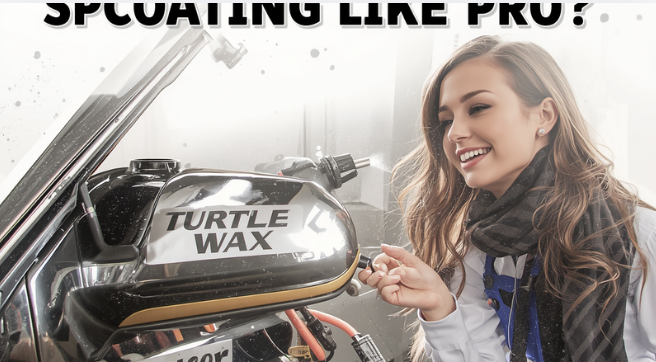
The rise of ceramic coatings changed the auto detailing industry. Professional-grade ceramic coatings can cost hundreds or even thousands of dollars, making them unrealistic for many car owners.
Turtle Wax changed the game by offering DIY ceramic technology that’s:
- Budget-friendly
- Easy to apply
- Widely available
- Beginner safe
- Effective on multiple surfaces
It works on:
- Painted surfaces
- Wheels
- Glass
- Trim
- Headlights
- Chrome
That versatility makes it one of the most useful detailing products in a garage.
What You Need Before Applying Turtle Wax Ceramic Spray Coating
Preparation is everything. Most ceramic coating failures happen because people rush into application without properly preparing the paint.
Here’s what you should gather first.
Essential Supplies
Washing Products
- pH-neutral car shampoo
- Two wash buckets
- Microfiber wash mitt
- Wheel cleaner
- Tire brush
Surface Prep Tools
- Clay bar or clay mitt
- Iron remover
- Microfiber drying towels
Application Materials
- Turtle Wax ceramic spray coating
- Multiple clean microfiber towels
- Applicator pad (optional)
- Nitrile gloves
Optional but Recommended
- Dual-action polisher
- Paint polish
- Panel prep spray
- Air blower
The Biggest Mistake People Make Before Ceramic Spray Application
Most people apply ceramic spray on dirty paint.
Even if your vehicle looks clean, microscopic contaminants remain embedded in the clear coat. Applying ceramic spray over contamination traps dirt under the protective layer and reduces bonding performance.
For best results, your paint should be:
- Washed
- Decontaminated
- Completely dry
- Cool to the touch
- Free from oils and residue
Skipping these steps dramatically reduces durability.
Step 1: Wash the Vehicle Thoroughly
Before applying Turtle Wax ceramic spray coating, start with a deep wash.
Proper Washing Process
Pre-Rinse the Vehicle
Use water pressure to remove loose dirt and debris.
Clean the Wheels First
Wheels are usually the dirtiest part of the vehicle. Cleaning them first prevents brake dust from splashing onto freshly washed paint later.
Use the Two-Bucket Method
One bucket contains clean soap water. The second bucket rinses the dirty wash mitt.
This method reduces swirl marks and scratches.
Wash From Top to Bottom
Always clean upper panels first because lower sections contain heavier grime.
Rinse Completely
Soap residue can interfere with ceramic bonding.
Step 2: Decontaminate the Paint Surface
This is where most basic tutorials stop short, but proper decontamination is critical for achieving maximum ceramic performance.
Use an Iron Remover
Iron particles from brakes and industrial fallout become embedded in paint.
Spray iron remover across the surface and allow it to react according to product instructions.
You’ll often see purple bleeding effects as contamination dissolves.
Clay Bar Treatment
After chemical decontamination, use a clay bar or clay mitt.
This removes:
- Tree sap
- Road tar
- Industrial fallout
- Overspray
- Embedded contaminants
Run your hand over the paint before and after claying. The difference feels dramatic.
Smooth paint allows ceramic coating to bond properly.
Step 3: Dry the Vehicle Completely
Water trapped in mirrors, trim, emblems, or panel gaps can interfere with ceramic spray application.
Use:
- Plush microfiber drying towels
- Compressed air
- Leaf blower
- Car dryer
The vehicle must be 100% dry before coating.
Step 4: Polish the Paint (Highly Recommended)
If your paint has:
- Swirl marks
- Oxidation
- Water spots
- Light scratches
Then polishing before ceramic application makes a massive difference.
Ceramic sprays enhance whatever is underneath them. If the paint is scratched, the coating locks in those imperfections visually.
A quick machine polish can dramatically improve:
- Gloss
- Clarity
- Reflection
- Paint depth
Even a single-stage polish delivers noticeable improvement.
Step 5: Prep the Surface for Ceramic Bonding
After polishing, oils and polishing residue remain on the surface.
Use a panel prep spray or isopropyl alcohol mixture to wipe down all painted surfaces.
This ensures the Turtle Wax ceramic spray coating bonds directly to the clear coat instead of leftover oils.
Professional detailers never skip this step.
Ideal Weather Conditions for Applying Turtle Wax Ceramic Spray Coating
Temperature and humidity matter more than many people realize.
Best Conditions
- 50°F to 80°F
- Low humidity
- Shaded area
- No direct sunlight
- Calm wind conditions
Avoid applying in:
- Hot direct sun
- Rain
- Extreme humidity
- Dusty environments
Heat can cause streaking and premature flashing.
Step 6: How to Apply Turtle Wax Ceramic Spray Coating Correctly
Now comes the actual application process.
Shake the Bottle Thoroughly
Ceramic ingredients separate over time.
Shake aggressively before use.
Work One Panel at a Time
Do not spray the entire car at once.
Focus on:
- Hood
- Fender
- Door
- Roof
- Trunk
One section at a time prevents uneven curing.
Use Very Little Product
One of the most common mistakes is overapplication.
More product does not equal more protection.
Usually:
- 1–2 sprays for small panels
- 2–3 sprays for larger panels
That’s enough.
Overuse causes:
- High spots
- Smearing
- Difficult leveling
- Uneven gloss
Spray Onto a Microfiber Towel or Directly on Paint
There are two effective methods.
Method 1: Spray on Towel
Best for:
- Hot climates
- Better control
- Preventing overspray
Method 2: Spray on Paint
Best for:
- Faster application
- Cooler environments
Both methods work well if done properly.
Spread Evenly Across the Surface
Use a clean microfiber towel to spread the coating in overlapping motions.
Coverage should appear even and thin.
Do not allow excessive buildup.
Buff Immediately With a Second Towel
This is the secret to avoiding streaks.
Use a second dry microfiber towel to:
- Level the coating
- Remove excess product
- Enhance gloss
- Eliminate smears
Flip towels frequently.
Dirty or saturated towels create uneven finishes.
How Long Does Turtle Wax Ceramic Spray Need to Cure?
Initial curing usually takes:
- 4–24 hours
Full curing may take:
- 24–48 hours
During this time avoid:
- Rain
- Car washes
- Heavy moisture
- Water exposure
Parking indoors helps maximize bonding.
Can You Apply Multiple Layers?
Yes — and layering improves durability.
For best results:
- Wait 24 hours between coats
- Apply a second thin layer
- Maintain proper curing conditions
Layering can increase:
- Gloss depth
- Water repellency
- Longevity
Two coats generally outperform one heavy coat.
How Long Does Turtle Wax Ceramic Spray Last?
Durability depends on:
- Weather
- Washing habits
- Storage conditions
- Prep quality
Typical protection lasts:
- 4–6 months
Some users achieve longer durability with:
- Garage parking
- Proper maintenance
- Regular topper applications
How to Maintain Turtle Wax Ceramic Spray Coating
Maintenance determines whether your finish looks incredible for months or fades quickly.
Use pH-Neutral Car Shampoo
Harsh detergents strip protection faster.
Avoid:
- Dish soap
- Degreasers
- Strong alkaline cleaners
Use Proper Wash Techniques
Always:
- Use microfiber mitts
- Wash gently
- Dry with clean towels
Improper washing creates scratches that reduce gloss.
Apply Ceramic Boost Sprays
Maintenance sprays refresh hydrophobic performance.
These products:
- Restore slickness
- Add gloss
- Extend durability
Many enthusiasts use ceramic detail sprays every few washes.
Common Mistakes When Applying Turtle Wax Ceramic Spray Coating
Understanding what not to do is just as important as knowing the correct process.
Applying in Direct Sunlight
Heat causes:
- Streaking
- Flashing
- Difficult buffing
Always work in shade.
Using Too Much Product
Ceramic sprays work best in ultra-thin layers.
Heavy application wastes product and creates smears.
Using Cheap Towels
Low-quality towels can:
- Scratch paint
- Leave lint
- Create uneven leveling
High-quality microfiber towels matter.
Skipping Decontamination
Contaminated paint prevents proper bonding.
Your coating may fail prematurely.
Not Buffing Properly
Poor leveling leaves:
- Streaks
- High spots
- Cloudy appearance
Use multiple clean towels.
Can Turtle Wax Ceramic Spray Be Used on Other Surfaces?
Yes. One reason this product became so popular is versatility.
It can safely be used on:
- Glass
- Plastic trim
- Wheels
- Chrome
- Headlights
However, always test a small area first.
Turtle Wax Ceramic Spray vs Traditional Wax
Many drivers still wonder whether ceramic spray is truly better than conventional wax.
Traditional Wax
Pros:
- Warm glow
- Easy application
Cons:
- Short durability
- Weak chemical resistance
- Less hydrophobic performance
Ceramic Spray
Pros:
- Longer protection
- Better water beading
- Strong UV defense
- Easier maintenance
- Superior slickness
Cons:
- Requires better prep
- Technique matters more
For most modern vehicles, ceramic spray offers significantly better real-world protection.
Professional-Level Tips for the Best Ceramic Finish
Here are advanced detailing strategies rarely mentioned in basic guides.
Use Dedicated Towels for Ceramic Products
Once towels absorb ceramic chemicals, reserve them exclusively for coating work.
Fold Towels Into Quarters
This creates:
- Better control
- Multiple clean sides
- More even leveling
Inspect With Bright Lighting
LED detailing lights help identify:
- Smears
- Streaks
- Missed spots
Invisible residue becomes easier to see.
Work Slowly
Rushing causes uneven coverage.
Professional detailers prioritize consistency over speed.
Apply in Thin Crosshatch Patterns
Horizontal plus vertical passes create:
- Uniform distribution
- Better surface coverage
Does Turtle Wax Ceramic Spray Work on Older Vehicles?
Absolutely.
Older vehicles often benefit even more because ceramic spray restores gloss and improves surface slickness.
For oxidized paint:
- Wash thoroughly
- Clay the surface
- Polish oxidation away
- Apply ceramic spray
The transformation can look dramatic.
How Often Should You Reapply Turtle Wax Ceramic Spray?
Most drivers reapply every:
- 3–6 months
High-exposure vehicles may need more frequent applications.
Signs it’s time to reapply:
- Reduced water beading
- Less slickness
- Diminished shine
- Water sheeting instead of tight beads
Why Enthusiasts Love Ceramic Spray Coatings
Car enthusiasts appreciate ceramic sprays because they deliver:
- High-end appearance
- Easier maintenance
- Strong protection
- Professional-style results at home
The deep reflective gloss combined with intense water beading creates a satisfying freshly detailed look that lasts far longer than old-school waxes.
For many vehicle owners, Turtle Wax ceramic spray coating offers one of the best balances between affordability, simplicity, and real-world performance available today.
How long does Turtle Wax ceramic spray coating last?
Most Turtle Wax ceramic spray coatings last between 4 to 6 months depending on driving conditions, climate, washing habits, and surface preparation. Vehicles kept in garages and maintained with proper wash methods often experience longer-lasting protection.
Can beginners apply Turtle Wax ceramic spray coating?
Yes. One of the biggest reasons Turtle Wax ceramic spray products became so popular is their beginner-friendly application process. Unlike professional ceramic coatings that require advanced prep and curing knowledge, Turtle Wax ceramic sprays are designed for DIY car owners.
Do I need to polish my car before applying ceramic spray coating?
Polishing is not mandatory, but it is highly recommended if your vehicle has swirl marks, oxidation, water spots, or dull paint. Ceramic spray coatings enhance the appearance of the surface underneath them, so polishing first can dramatically improve gloss and clarity.
Can Turtle Wax ceramic spray coating be applied in direct sunlight?
It’s best to avoid direct sunlight. Hot surfaces can cause the coating to flash too quickly, leading to streaks and uneven application. For best results, apply the coating in a shaded area on cool paint.
How many coats of Turtle Wax ceramic spray should I apply?
Two thin coats generally provide better durability and more even coverage than one heavy coat. Wait about 24 hours between layers for proper curing and bonding.
Can ceramic spray coating damage my car paint?
No, when used correctly, ceramic spray coatings are safe for modern clear coats. In fact, they help protect paint from UV rays, environmental contamination, water spots, and road grime.
Is Turtle Wax ceramic spray better than traditional car wax?
For long-term protection and water repellency, ceramic spray coatings usually outperform traditional waxes. They last longer, provide stronger hydrophobic effects, and offer better resistance against environmental contaminants.
Traditional wax still offers a warm glow, but ceramic sprays deliver superior durability and easier maintenance.
Can I apply Turtle Wax ceramic spray coating on glass and wheels?
Yes. Most Turtle Wax ceramic sprays are safe for:
- Glass
- Wheels
- Plastic trim
- Chrome
- Headlights
Many users apply it to wheels because it helps reduce brake dust buildup and makes cleaning easier.
How long should I wait before washing my car after applying ceramic spray?
Avoid washing the vehicle for at least 24 hours after application. This allows the coating to cure properly and bond with the paint surface.
Why does my ceramic spray coating look streaky?
Streaking usually happens because of:
- Overapplication
- Applying in hot weather
- Using dirty microfiber towels
- Not buffing properly
- Uneven leveling
Using thin coats and high-quality microfiber towels helps prevent streaks.
Can Turtle Wax ceramic spray coating hide scratches?
No. Ceramic spray coatings do not remove scratches or swirl marks. However, they can improve gloss and reflection, which may make minor imperfections less noticeable.
What is the best towel for ceramic coating application?
Use premium microfiber towels with soft fibers and edgeless designs. Cheap towels can create scratches, lint, or uneven coating distribution.
Professional detailers often use separate towels specifically reserved for ceramic products.
How often should ceramic spray coating be reapplied?
Most drivers reapply every 3 to 6 months depending on exposure to:
- Sunlight
- Rain
- Snow
- Automatic car washes
- Road salt
Water beading reduction is usually the first sign that reapplication is needed.
Can I apply ceramic spray coating after every wash?
Yes, but it’s usually unnecessary. Applying too frequently may create buildup or streaking. Instead, many car owners use a ceramic detail spray as maintenance between major applications.
Conclusion
Learning how to apply Turtle Wax ceramic spray coating properly can completely change the way your vehicle looks and feels. When applied with the right preparation and technique, ceramic spray coatings deliver impressive shine, slickness, water beading, and long-lasting protection that traditional waxes struggle to match.
The real secret is not simply spraying the product on the paint. Professional-level results come from careful washing, proper decontamination, thin and even application, quality microfiber towels, and allowing the coating enough time to cure.
Whether you drive a daily commuter, luxury SUV, sports car, or older vehicle needing a shine revival, Turtle Wax ceramic spray coating offers one of the easiest and most affordable ways to achieve a glossy, protected finish at home. With regular maintenance and proper washing habits, your vehicle can stay cleaner, shinier, and better protected for months at a time.
